Australian heat kills dogs quickly. Dogs can overheat in under 30 minutes on a hot day even with water available. Know your dog's heat tolerance and avoid peak hours during summer.
Off-leash parks mean your dog interacts with unfamiliar dogs. Fights happen fast and can be serious. Stay alert and remove your dog immediately if tensions rise with other dogs or owners.
Why Off-Leash Parks Matter for Travelling Dogs
When you're road tripping with your dog across Australia, off-leash parks become your sanity saver. Your dog gets proper exercise and socialisation instead of just sniffing car windows for 300 kilometres. After a long drive, watching your dog burn off energy at a dedicated park means they'll actually settle down in your accommodation at night rather than pacing or whining.
I learned this the hard way on my first trip with my Kelpie cross from Melbourne to Adelaide. She had so much pent-up energy after eight hours in the car that she destroyed a rental cushion. The next day, I found a local off-leash park and she played for an hour. That night, she slept like she'd been drugged. Now I plan my road trips around parks rather than the other way around.
Off-leash parks also show you what your dog's actual personality is like. Your shy girl might suddenly be a confident player. Your nervous boy might wrestle with breeds he'd never meet in your suburb. These moments matter when you're bonding with your dog away from home.
Sydney's Top Off-Leash Parks for Travelling Dogs
Sydney has heaps of options, but the standouts for travelling dogs are clear. Bark Park at Glebe is one of the best enclosed off-leash areas in the city. It sits right near cafes and the water, so you can have coffee while your dog plays. The park spans about 1.5 hectares and has separate areas for small and large dogs, which matters if your dog gets anxious around bigger breeds.
If you're heading north, Nero's Beach Park in Cremorne offers a quieter vibe. It's smaller and gets less crowded than some inner-city spots. The council maintains it well and the regulars are friendly. Your dog can actually run without dodging twenty other dogs.
For a proper adventure, drive 45 minutes west to Brush Farm Park in Pennant Hills. It's massive, partly off-leash, and has horse trails that border the dog area. You'll feel like you've escaped the city entirely. During weekdays, you might have the place almost to yourself. Bring water because there's not much shade on the open fields.
Gear we would pack
Some links below are affiliate links. Pawtrips may earn a commission at no extra cost to you.

Quiet 62L Pet Dryer Box with Smart Control
This ensures your pet stays comfortable and dry during your travels.
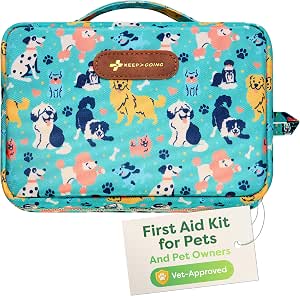
Dog First Aid Kit for Travel Emergencies
It's important to prepare for unforeseeable situations while travelling.

Dog Ear Muffs for Noise Protection
These ear muffs help keep your pet calm in noisy environments during travel.

Reduce Shedding with FURminator Conditioner
A well-groomed coat means less mess in your travel space.
Melbourne's Best Spots from CBD to Outer Suburbs
Melbourne's dog park scene is organised and dog-friendly. Yarra Park has a dedicated off-leash area that's flat and easy to navigate with pups of all ages. It's in the middle of the city but somehow feels removed from the chaos. Weekday mornings are quiet, which is perfect if your dog is nervous.
If you want water access, head to Westgate Park. It has an off-leash zone and your dog can paddle in the Yarra River during warm months. The park sits under the Westgate Bridge, which sounds industrial but it's actually a good landmark for finding your way back to your car.
Everyone talks about Aussie Dog Playground in Preston, about 20 kilometres north of the city centre. It's a private off-leash facility with proper equipment, shaded areas, and thoughtful design. It costs about 15 dollars per visit or you can buy monthly passes. I know it sounds bougie but if you're staying in Melbourne for a week or more with a dog that needs serious play time, it's worth it. The other dogs there are usually well-managed because owners pay attention.
Brisbane's Parks and the Heat Factor
Brisbane's heat is no joke when you're travelling with a dog. Sunnybank Hills Dog Park is enclosed, shaded, and has water facilities. The fence is solid so even escape artists can't get out. It's about 25 minutes south of the city centre and worth the drive because dogs genuinely enjoy it there.
However, summer months mean visiting before 8am. I watched a Bulldog overheat in March despite the shade. The owner had been there only 20 minutes but the dog was struggling. Brisbane council parks are free but you need current dog registration. Most vets can sort this on the spot if you're travelling through and need it urgently.
Another good option is the enclosed section at Rocky Point Park in Hamilton. It's closer to the city and overlooks the river. On hot days, you can walk your dog along the cooler water's edge before heading to the off-leash area. The park gets busy on weekends so go on a weekday if possible.
Perth Parks for Long, Hot Summers
Perth dog owners are passionate about their parks because summer temperatures can hit 40 degrees Celsius. Canning River Regional Park has an off-leash section that's beautifully maintained and runs along water. It's 20 kilometres south of the city but the drive is worth it for a dog who loves to swim and run. The grass is actually lush here because of how the park is maintained.
Angel Lake Park in East Perth is smaller and closer to accommodation if you're staying central. It's fenced, has some shade from established trees, and the council keeps it clean. Your dog will be tired after playing here but not overheated like they might be at completely exposed parks.
Be honest about your dog's heat tolerance before choosing Perth parks. If your dog is old, overweight, or has a thick coat, you're looking at 6am visits in summer or you're waiting until April when things cool down. I met a couple from Sydney whose Golden Retriever got heat stress after just 30 minutes in a Perth park during January. They ended up mostly walking at night for the rest of their trip.
Regional Australia: What Smaller Towns Offer
Smaller towns often have chilled-out, less formal dog parks that are perfect for a travelling dog. Towns like Daylesford in Victoria have lovely parks without crowds. Regional councils are usually more relaxed about dogs if you've got vaccination proof. The social scene is friendlier too. A local might tell you about a swimming hole or trail you'd never find online.
I drove through Tamworth in NSW with my dog and found a beautiful park with water access near the town centre. No fancy facilities but honestly, my dog cared more about rolling in grass and paddling in the creek than having a manicured space. Regional parks taught me that my dog doesn't need elaborate setups, just room to run and something to do.
The downside is that facilities are basic. Bring your own water and shade options. Some smaller towns have parks but no public facilities at all. You might see cattle nearby or share the space with wild dogs sometimes. Always ask locals about what's actually safe before you let your dog roam. A friendly cafe owner or petrol station attendant will give you honest information faster than any online review.
What to Pack and Prepare Before Visiting Any Park
Before you visit any off-leash park, pack specific gear. Bring a collapsible water bowl and plenty of fresh water. Most parks have no drinkable water and dehydration happens fast, especially for anxious dogs who run constantly. I learned this when my dog drank stagnant pond water because I didn't bring enough fresh water. She got sick for two days after.
Bring a basic first aid kit. Off-leash parks mean interactions with other dogs and minor cuts or scrapes happen. You need tweezers for grass seeds, antiseptic, and bandages. A dog can pick up a thorn or cut a pad on rough ground within minutes of arriving.
Wear shoes you can move fast in. If something goes wrong, you need to chase your dog or break up a scuffle. Thongs or sandals mean you're slower and more likely to get injured. Know your dog's recall ability honestly before you go. If your dog doesn't reliably come back when called, off-leash parks might not be safe yet. Work on recall at home first.
Reading Your Dog and Other Dogs at Parks
Not every dog enjoys off-leash parks, and that's okay. Some dogs get overwhelmed by multiple dogs playing at once. Your job is to watch your dog's body language and remove them if they're stressed. A stressed dog shows stiff posture, tucked tail, or constant retreating. They might snap even if they normally don't because they feel cornered.
Other dogs at parks vary wildly in training and temperament. Most owners are attentive but some aren't. You need to stay engaged, not sit on a bench scrolling your phone. Call your dog to you regularly so they remember you're there. If another dog is being aggressive, calmly collect your dog and move away. You don't need to confront the other owner unless your dog is actually injured.
Your dog's excitement level matters too. Some dogs play rough and that's fine if other dogs enjoy it. Some dogs only like calm, gentle play. Mix and match accordingly. If your dog is the only one playing rough style and all the other dogs are walking slowly, move your dog elsewhere. A good park visit isn't about staying until your dog is exhausted. It's about matching your dog's needs with what's actually available that day.
Plus early access to new guides and partner deals.
No spam. Ever. Just the good stuff for you and your pet.