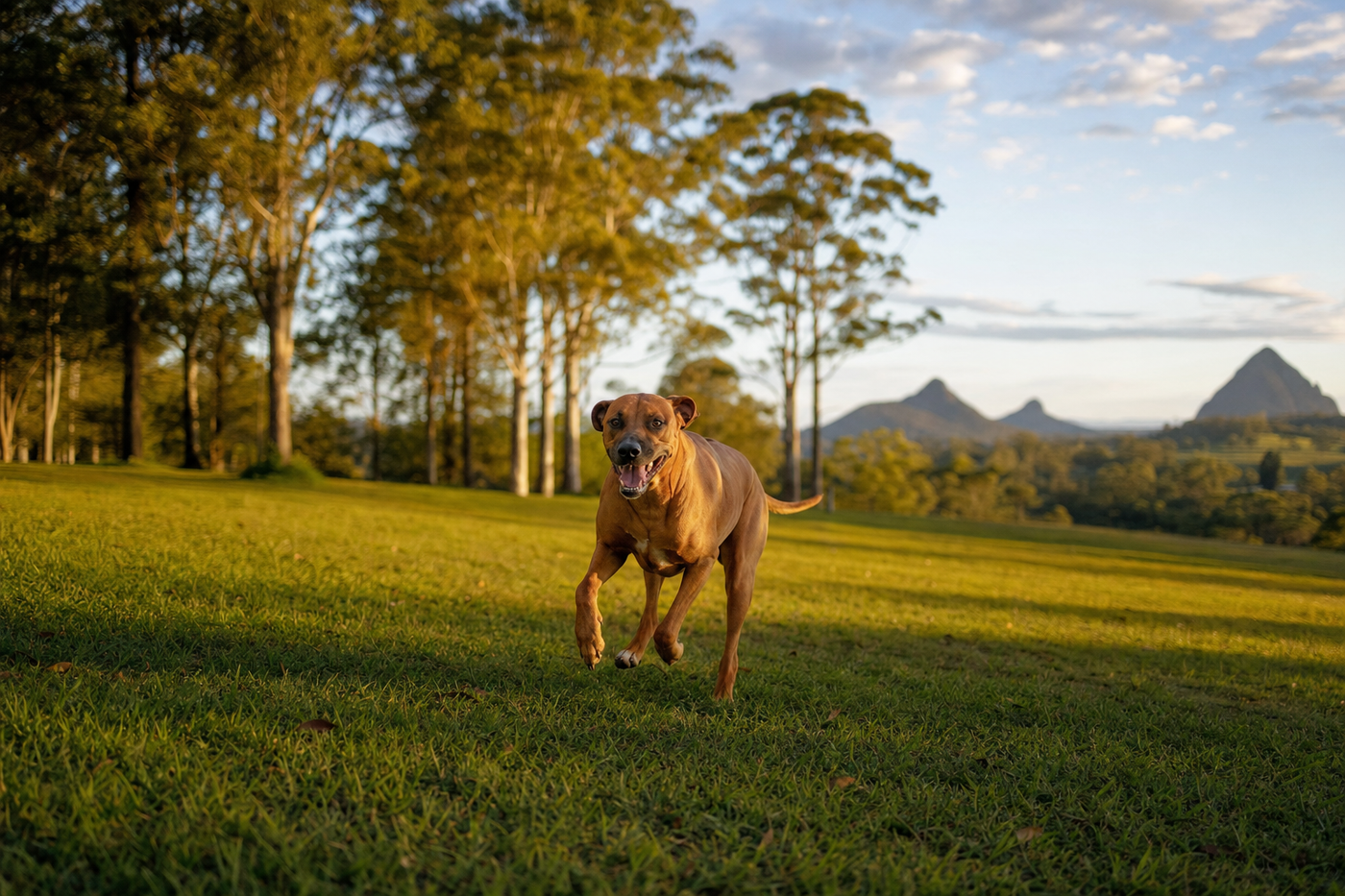
Dogs can suffer heatstroke within 15 minutes during peak summer heat. Visit only in early morning or late evening December through February, and watch for excessive panting, drooling, or collapsed behaviour.
Blue bottles and stingrays present genuine dangers at Sunshine Coast beaches during summer months. Check beach warnings before entering the water, and teach your dog to avoid seaweed and unusual objects in the water.
Why the Sunshine Coast is great for off-leash dogs
The Sunshine Coast stretches from Caloundra in the south to Noosa in the north, and locals here genuinely care about dog-friendly spaces. You will find that most suburbs have at least one designated off-leash area, which means you have real options when planning your trip. The weather is mostly warm, which is perfect for dogs who love running around, though you will need to manage the heat carefully.
The beach culture on the coast means many communities have invested in proper dog facilities. Noosa, Mooloolaba, Coolum Beach, and the hinterland towns all recognise that travelling with your dog matters. Local councils have created spaces where your dog can socialise, exercise, and burn off energy without you worrying about leads or other dogs suddenly appearing on the beach.
Noosa dog beach and off-leash areas
Noosa Main Beach allows dogs off-leash before 8am and after 5pm daily, which gives you a solid window in the early morning or evening. The beach stretches for about 400 metres, and your dog will have plenty of sand to dig in and water to splash through. The shallow start to the beach makes it safer for dogs who are still learning to swim, though you should always supervise.
Alejandras Dog Beach sits about two kilometres south of Noosa Main Beach and is dedicated entirely to dogs off-leash. This is one of the few beaches on the coast where your dog can run freely all day, which makes it worth the short drive. The beach has good facilities nearby including café options, so you can grab a coffee while your dog plays. Bring extra water because even though you are near the ocean, your dog cannot drink saltwater, and there are no fountains on the beach itself.
Gear we would pack
Some links below are affiliate links. Pawtrips may earn a commission at no extra cost to you.
Dog treat pouch
A treat pouch keeps high-value rewards accessible during off-leash sessions so you can reward recall instantly. Having treats immediately available makes the difference between a dog that comes back and one that ignores your calls.
Coolum and Yaroomba dog-friendly spaces
Coolum Beach has an off-leash area on the northern end before 8am and after 5pm, much like Noosa. The beach here feels less crowded than the main beaches in Noosa, which some dog owners prefer if their dog gets anxious around other animals. The carpark is about 100 metres from the beach access, making it reasonable to carry water and supplies.
Yaroomba Beach, about three kilometres north of Coolum, offers similar off-leash times and has a quieter vibe overall. You will find fewer tourist crowds here, which means your dog might have more space to explore. The rock pools at low tide create interesting areas for dogs to investigate, though watch for sharp rocks if your dog has sensitive paws. Parking is reliable and free, which helps keep costs down during your Sunshine Coast trip.
Dog poop bags biodegradable
Off-leash areas depend entirely on owners cleaning up responsibly, and biodegradable bags break down naturally without harming the environment. Pack at least twice as many bags as you think you will need, as dogs sometimes need multiple visits during a session.
Mooloolaba and Alexandra Headland options
Mooloolaba Beach permits dogs off-leash between sunrise and 8am, then again from 5pm to sunset. This popular beach can get very busy during the day, so the off-leash hours are actually the quietest times to visit. The beachfront promenade has restaurants and shops, so you can plan a proper outing rather than just a quick dog walk. Parking fills up during peak times, so arrive early if you are visiting during school holidays.
Alexandra Headland is just next to Mooloolaba and has similar off-leash rules. The beach here is smaller and more sheltered, which suits some dogs better if they prefer calmer conditions. A patrolled swimming area operates during busy times, but dogs have their designated sections away from swimmers. Picnic facilities and shaded areas mean you can stay longer without your dog overheating in direct sun.
Hinterland parks for dogs who need shade and quiet
Boomerang Park in Palmwoods sits in the Sunshine Coast hinterland, about 20 minutes from the beach towns. This off-leash dog park is fully fenced with about 2000 square metres of space, giving dogs room to run safely. The park has shaded areas under large trees, which is crucial during hot months because the coast can reach 30 degrees Celsius regularly. You will find water stations throughout the park, though bringing your own containers ensures your dog always has fresh water available.
Mainstream Park in Birtinya offers another inland option with open grass areas and shaded trees. Dogs can run freely in the designated off-leash section without the salt water and sand of beaches. The park is less crowded than beach locations, which suits dogs who get overwhelmed by other animals. If your dog is an older dog or one that tires easily, hinterland parks often feel less intense than busy coastal areas.
PAW by Blackmores Osteocare Joint Protect for Dogs
Older dogs or those with joint sensitivity benefit from joint support, especially when enjoying the uneven surfaces of beaches and parks. Regular supplementation helps maintain mobility for dogs that do a lot of off-leash running during your Sunshine Coast trip.
Practical tips for visiting Sunshine Coast dog parks
Bring more water than you think you will need because dogs exercising in Australian heat dehydrate rapidly. A portable water bowl weighs almost nothing and means your dog can drink whenever needed rather than waiting until you find a tap. Keep visits to under 30 minutes during hot months, and stick to early morning or late afternoon sessions when temperatures are cooler.
Check whether your dog is up to date with vaccinations before visiting shared spaces, as council requirements vary. Socialisation at dog parks works best if your dog already has reasonable recall, so test this in safe settings first. Bring treats or toys to reward good behaviour around other dogs, and watch your dog's body language for signs of stress or aggression. Clean up after your dog without fail, as off-leash areas depend on owners being responsible to stay open.
Blackdog Chicken Breast 1KG
Fresh chicken makes an excellent high-value reward for recall training and positive reinforcement in off-leash environments. Store it in your portable cooler and use small pieces to reward your dog immediately when they respond to calls.
Seasonal considerations for Sunshine Coast dog visits
Summer runs from December to February, and temperatures regularly exceed 28 degrees Celsius, sometimes hitting 35 degrees. During these months, you must visit parks and beaches in early morning or late evening only, as midday heat can cause heatstroke in dogs. Swimming is great for cooling dogs down, but watch for blue bottles and stingrays in summer months, as these pose real risks at coastal locations.
Autumn and spring, from March to May and September to November, offer the most comfortable conditions for active dogs. Winter months rarely get cold enough to bother dogs, though some animals appreciate lighter activity during this season. Rainfall increases during January and February, which can occasionally close some dog parks temporarily for maintenance. Check with local councils before visiting, or contact the Sunshine Coast Tourism office for current conditions.
Managing your dog's behaviour in new environments
Some dogs get anxious when first encountering off-leash spaces because they are suddenly responsible for their own movements. Let your dog adjust gradually by keeping them on a long line at first, allowing them to explore while you maintain control. Watch how your dog responds to other dogs and people before letting them play freely. If your dog shows signs of fear or aggression, remove them from the situation and try again another day in a quieter location.
Recall training is essential before visiting any off-leash area, because running dogs do not always respond immediately to commands. Practice recall at home or in quiet parks first, using high-value treats as rewards. Some owners carry a dog whistle specifically for recalls, as dogs often respond faster to whistles than voice commands in exciting environments. Bring familiar toys to help your dog feel more confident in new spaces, which can improve their ability to focus on you when called.
Dog whistle for recall
Dogs often respond faster to whistles than voice commands in exciting environments like beaches and dog parks. A whistle carries further than your voice and creates a consistent signal that your dog learns to associate with rewards and attention.
Plus early access to new guides and partner deals.
No spam. Ever. Just the good stuff for you and your pet.