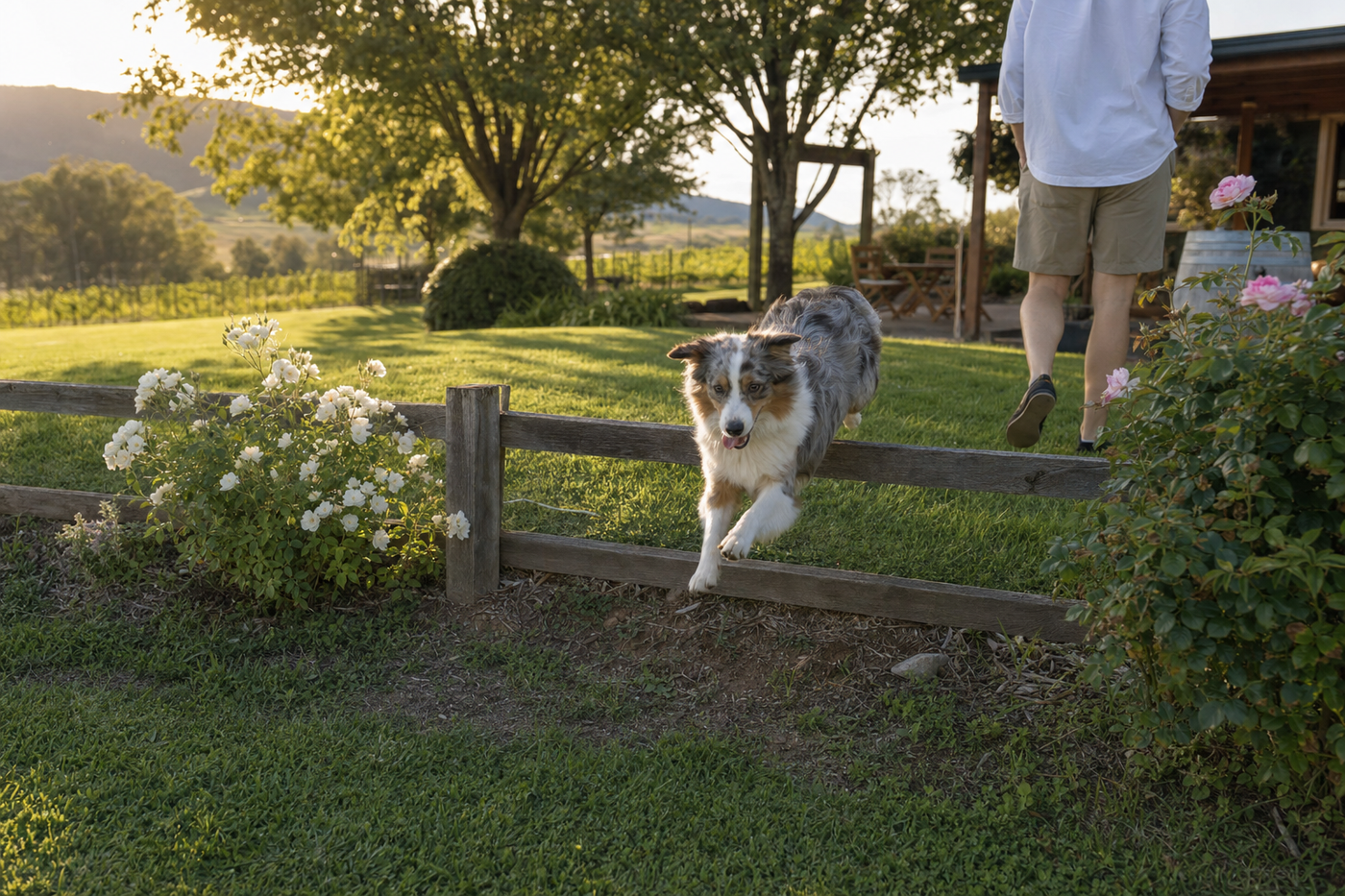
Heat stress in cars and caravan sites kills pets during Australian summer. Never leave your dog unattended in a car, and always provide shade shelters and constant water access at caravan parks.
Some plants and animals commonly found on Australian properties are toxic to dogs. Ask accommodation owners about specific hazards on their property, including snake activity, before letting your pet roam freely.
Why pet-friendly accommodation matters on Australian road trips
Leaving your dog or cat behind while you travel feels wrong, and it doesn't have to happen. I spent three years driving across Australia with my border collie, Scout, and learned that having genuine pet-friendly places to stay changes everything about the trip.
Your pet gets to experience new places alongside you instead of spending days locked in a boarding facility. You avoid the guilt of abandoning them, and frankly, you have more fun because your travel companion is actually with you. The challenge is finding places that genuinely welcome animals and don't just tolerate them.
Australia has thousands of accommodation options that welcome pets, but they're scattered across hotels, holiday homes, caravan parks, and farm stays. Knowing where to look and what questions to ask before booking saves money and prevents arriving somewhere that refuses your dog at the door.
Hotels and motels that actually welcome pets
Most major hotel chains now have pet-friendly policies, but the quality of that welcome varies wildly. I've stayed at places claiming to be dog-friendly only to find that meant a concrete courtyard with zero shade and a grumpy receptionist.
Better bets are independent hotels in towns like Byron Bay, Cairns, and Canberra that specifically market to pet owners. These places often have staff who understand that your dog needs proper outdoor space, water bowls, and sometimes even treats. Before booking, ring the hotel directly and ask about the actual setup: is there a grassed area, how many pets do they allow, and what are the exact dimensions of your room.
Budget chains like Best Western and Motel 6 typically charge 15 to 25 dollars per night extra for a pet. Luxury hotels in Sydney and Melbourne charge more, sometimes 50 to 80 dollars per night, but the rooms are larger. Always confirm the pet fee is per night, not per stay, because Scout once stayed three nights and I was charged three times over.
Gear we would pack
Some links below are affiliate links. Pawtrips may earn a commission at no extra cost to you.

Quiet 62L Pet Dryer Box with Smart Control
This ensures your pet stays comfortable and dry during your travels.

Natural Dog Treats for Travel, Beef and Roo Rolls
Treats are great for keeping your dog satisfied during travel.

Ozone Odor Eliminator for Fresh Homes
A fresh-smelling home makes pet travel prep more enjoyable.
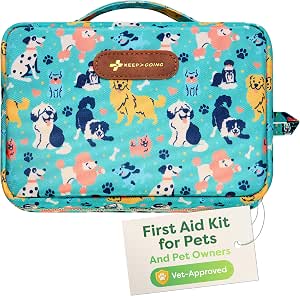
Dog First Aid Kit for Travel Emergencies
It's important to prepare for unforeseeable situations while travelling.
Holiday homes and farm stays: the best option for longer trips
When I stayed in one place for more than three nights, I stopped booking hotels and switched to holiday homes. Your pet has room to move around, you can leave windows open safely, and you're not worrying about housekeeping coming in while your dog panics.
Platforms like Stayz list thousands of Australian properties and let you filter specifically for pet-friendly options. Many farm stays across Victoria, Tasmania, and Western Australia explicitly welcome dogs because the owners understand rural living. I stayed at a farm near Beechworth in Victoria where the owners had five dogs of their own. Scout had friends to play with, the kids got to see alpacas, and we paid less per night than a hotel would have charged.
Read the house rules carefully before booking. Some places allow dogs in living areas but not bedrooms. Others require you to keep your pet on a lead the entire time. The best ones let your dog roam the property freely because they're fenced and safe.
Caravan parks and camping grounds across Australia
Caravan parks are genuinely some of the most pet-friendly places to stay in Australia, and they're cheaper too. Most parks charge 5 to 15 dollars extra per pet, per night, which beats hotel pricing significantly. I spent two weeks parked at South Golden Beach north of Brisbane, and Scout could walk on beach access paths right from our caravan.
Before arriving, check whether the park has dedicated dog exercise areas or whether pets are restricted to specific sites. Some parks in Queensland and New South Wales don't allow dogs on beaches during peak holiday periods, so timing matters. During winter, caravan parks are quieter and more welcoming to animals because the grounds aren't overcrowded.
Bring a portable shade shelter because most caravan sites have minimal natural shade. Scout got heatstroke once at a park in outback South Australia because I underestimated the intensity of the sun reflected off gravel. A simple pop-up tent now travels with us everywhere.
Understanding pet fees and hidden costs
Pet accommodation fees are not standardised across Australia, which means you can pay anywhere from nothing to 100 dollars per night. Some places charge per pet, others charge one flat fee regardless of how many animals you bring. Always ask whether the fee is per night or per stay because that difference adds up over a week-long road trip.
I've found that smaller, family-run places sometimes don't charge anything if you're bringing a well-behaved dog. Larger hotel chains almost always charge. Holiday homes vary wildly: some owners charge 20 dollars for the whole stay, others charge 30 dollars per night.
Beyond the accommodation fee, factor in costs for any damage deposits, cleaning fees specifically for pet hair, or extra linen changes. One cottage near Albany in Western Australia required a 200 dollar damage bond for pets, refundable if Scout didn't damage anything. Read booking confirmations carefully because these fees hide in the fine print.
Preparing your pet for travelling and staying overnight
Your dog's first night in a hotel or holiday home matters. If your pet has never slept anywhere except your home, staying in a strange bed with unfamiliar sounds will stress them. Start training months before your trip by having your dog sleep in different rooms at home, or occasionally in the car.
Bring your pet's own bedding, a familiar toy, and something that smells like home. When Scout stayed in hotels, I packed her bed and a blanket that smelled like our house. She'd burrow into it and settle down instead of pacing the room all night.
Exercise your pet heavily before arriving at accommodation. A tired dog is a calm dog. Scout and I would arrive at our stop by early afternoon, spend an hour walking a local beach or park, then she'd sleep through the evening. This routine meant staff never heard a peep from her room.
What to check before confirming your booking
Before you click confirm, ask the accommodation these specific questions: What is the actual outdoor space for my pet, is it fenced, and how much time can my dog spend there. Ask whether other guests typically have pets, and whether staff are genuinely comfortable with animals. One hotel told me my dog was welcome but the manager clearly didn't like dogs.
Confirm whether you can leave your pet alone during the day. Many holiday homes allow this for a few hours, but some require pets to be supervised constantly. Ask about nearby parks, beaches, or walking trails so you know where to exercise your pet. Get the exact pet policy in writing by requesting confirmation via email.
Check reviews from other travellers with pets. If someone left a comment saying their dog was anxious or unwelcome, that's crucial information. Scout taught me that the cheapest option isn't always the best option when you're choosing where to rest with your animal.
Regional variations: know the rules for each state
Pet rules vary significantly between Australian states, which caught me off guard during early road trips. Queensland allows dogs on most regional beaches outside of peak season, but Victoria restricts them from most beaches year-round. Tasmania has some of the most relaxed pet policies on public land, while Western Australia can be stricter.
During winter in New South Wales, many beaches allow dogs before 10 am and after 4 pm, but rules change to no dogs during summer school holidays. Call ahead to local councils or parks services in the regions you're visiting to confirm current restrictions.
Some states require dogs to be vaccinated against specific diseases, and some require proof of microchipping. Keep your pet's vaccination records and microchip documentation with you. I learned this when arriving at a pet-friendly farm stay in Tasmania and discovering they needed proof of vaccination. Thankfully I had Scout's records in the car, but I could have been turned away.
Plus early access to new guides and partner deals.
No spam. Ever. Just the good stuff for you and your pet.