Never leave your dog in the van during the day, even with windows down. NSW temperatures can kill a dog in under an hour, even on mild-looking days.
Check that your caravan park has secure fencing and gates. Some parks claim to be dog-friendly but have poor boundary control, which creates escape risks.
Why Caravan Parks Matter for Dogs
Travelling around NSW with your dog means finding places where you can both relax without stress. Most hotels and holiday rentals slap a blanket no-pets policy on the door, but caravan parks get it. They understand that your dog is part of the family and shouldn't be left behind or locked in a hot car.
I spent three weeks driving from Sydney to Coffs Harbour with my kelpie mix, and the difference between dog-friendly and dog-hostile caravan parks was night and day. In parks that welcomed us, my dog could stretch his legs, meet other dogs, and I could actually enjoy a coffee without worrying. The wrong choice meant tying him to a tree and feeling guilty.
Caravan parks give you freedom. You cook your own meals, you control the environment, and your dog isn't confined to a tiny hotel room. NSW has hundreds of parks, but only a fraction genuinely cater to dogs. Knowing which ones actually do saves you time, money, and heartache.
North Coast Parks: Byron Bay to Coffs Harbour
The north coast stretches from Byron Bay right through to Coffs Harbour, and this is where dogs genuinely thrive in caravan parks. The region has a relaxed vibe that extends to four-legged visitors. Parks like Sunrise on the Coast near Byron Bay allow dogs in most sites, and the beaches around there are dog-friendly outside peak summer hours.
Heading south toward Coffs Harbour, you hit towns like Arrawarra and Nambucca Heads where caravan parks are dotted along quiet stretches. These parks tend to be smaller and more laid-back about dogs than the massive corporate ones. My dog loved running through the grass at Arrawarra Beach Caravan Park while I set up the van.
One thing to watch: some north coast parks charge extra for dogs, usually between five and ten dollars per night. Ring ahead and ask whether they charge and what size dogs they accept. A few parks have weight limits or breed restrictions that they don't advertise online. The towns in this region tend to have vets and pet shops within 30 minutes' drive, which is reassuring if anything goes wrong.
Gear we would pack
Some links below are affiliate links. Pawtrips may earn a commission at no extra cost to you.

Quiet 62L Pet Dryer Box with Smart Control
This ensures your pet stays comfortable and dry during your travels.
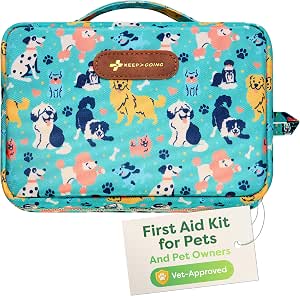
Dog First Aid Kit for Travel Emergencies
It's important to prepare for unforeseeable situations while travelling.

Track Your Dog's Location in Real-Time
It helps you keep your pet safe and in check during travels.

Calming Pheromone Collar for Anxious Dogs
Ideal for easing your dog's anxiety while travelling.
South Coast Parks: Shoalhaven to Eden
The south coast is quieter than the north, and the caravan parks reflect that. Parks around Jervis Bay, Nowra, and Milton tend to be more relaxed about dogs because they're not trying to attract massive holiday crowds. Dogs can run on beaches at Vincentia and Batemans Bay outside summer school holidays, which means your dog gets proper exercise.
If you head further south toward Merimbula and Eden, you're into some of the most dog-friendly territory in NSW. The parks around Eden sit close to the water, and locals walk their dogs everywhere. I met a woman with three beagles at one park who told me she'd been bringing her dogs to the same spot for fifteen years without a single issue.
Book your south coast parks in shoulder seasons: September, October, April, and May. The weather is perfect, prices drop, and parks aren't overrun with families. Your dog won't overheat, and you'll actually get a spot that allows dogs. Some parks require dogs to be on leads at all times except in designated dog areas, so check that before you arrive.
Central West Parks: Orange, Bathurst, Dubbo
Central West caravan parks tend to be the friendliest toward dogs because they see fewer tourists and more locals. Parks around Orange and Bathurst sit at elevation, which means milder temperatures even in summer. Your dog won't suffer the heat stress you'd get on the coast.
Dubbo is worth a special mention because the town has a mentality that welcomes animals. The main caravan park allows dogs in most sites, and the town itself has a tree-lined main street perfect for dog walks. The local vet is efficient and not expensive, which matters when you're travelling.
One advantage of central west parks: they're much cheaper than coastal ones. You'll pay thirty to forty dollars per night instead of sixty to eighty. The grass is usually better maintained, and the parks tend to have more space between sites. I found the farther inland you go, the less stressed dogs get because it's quieter and there's more room to roam safely.
Blue Mountains: Cool Climate Dog Paradise
The Blue Mountains are genuinely one of the best places to take a dog camping. Temperatures stay cool even in January, which means your dog doesn't overheat. Parks like Leura and Katoomba sit among trees and creeks, so there's natural shelter and water sources.
Many Blue Mountains parks actively encourage dogs because locals hiking the trails bring dogs too. The culture up there is much more dog-friendly than the coast. You'll find parks that have designated dog walking areas or partner with nearby trails where dogs on leads are welcomed.
Book ahead for the Blue Mountains, especially around Easter and school holidays. These parks fill up because people want to escape the heat with their families and pets. The drive from Sydney is only 90 minutes, so many people weekend trip it. Autumn and winter are your best windows for a longer stay without feeling rushed or crowded.
Inland Rural Parks: Unexpected Dog Gems
Some of the best caravan park experiences happen in small towns you've never heard of. Places like Goulburn, Yass, and Wagga Wagga have caravan parks that are surprisingly good for dogs because they're not trying to be fancy. They're practical, working parks that serve locals and travelling families alike.
These parks often sit near productive farmland, which means they understand animals. Staff won't bat an eyelid at your dog, and other campers usually have pets too. I spent a night at a park outside Goulburn and watched kids and dogs playing together in the communal area without anyone stressed about liability.
Inland parks are also cheaper and less crowded. You might pay twenty-five to forty dollars per night instead of seventy. The downsides are fewer restaurants and attractions nearby, but if you're there to relax with your dog, that's actually an advantage. Stock up on supplies before you arrive because small towns have limited shops.
Planning Your Trip: Practical Essentials
Before you book any park, ring them directly. Online descriptions are often outdated or vague about dog policies. Ask specific questions: do they allow dogs in the site or only in certain areas, are there weight or breed limits, do they charge extra, and are there other dogs currently at the park.
Bring your own supplies. Bring enough dog food for your entire trip plus extra. Caravan parks don't stock dog food, and small towns might not have what your dog eats. Bring your own bowls, leads, bedding, and waste bags. The less you rely on finding things locally, the smoother your trip goes.
Plan your route with rest stops. Don't drive more than five hours in one day with a dog. Your dog needs toilet breaks, water, and a chance to move around. Stop at rest areas between major towns. Most highway service stations now have dog areas where you can let your dog stretch and pee. Check your dog's microchip is current and your vet records are up to date before you leave home. If something happens, you'll want quick access to those details.
Reading Reviews and Booking Smart
Google reviews and TripAdvisor mention dog policies inconsistently, but read between the lines. If a review says the family dog loved it or complains that dogs weren't allowed, you've got useful information. Look for parks with multiple dog-positive reviews rather than just one or two.
Call the park, then email a confirmation asking about your dog. Keep that email in your records. If something goes wrong with the booking or they deny entry, you've got written proof of what you agreed to. Some parks oversell to dogs or change policies without updating their website.
Book direct when you can instead of through third-party booking sites. Directly calling or emailing the park manager means you can ask dog-specific questions and they know exactly what you need. You'll also get better treatment on arrival because they're expecting you specifically with a dog. Third-party sites sometimes don't pass on the note that you have a pet.
Plus early access to new guides and partner deals.
No spam. Ever. Just the good stuff for you and your pet.