Never leave your dog in a parked caravan or car during Queensland's warm months. Heat stroke can occur within minutes and is fatal.
Be aware that Far North Queensland has saltwater crocodiles in certain waterways. Keep your dog away from any creek, river, or lagoon without confirming it's safe first.
Why Queensland Caravan Parks Work for Dogs
Queensland's warm climate and outdoor culture make it perfect for travelling with your dog. Most caravan parks here understand that pets are part of the family and they've built spaces accordingly. You'll find parks with proper shade structures, water access throughout the grounds, and staff who actually welcome dogs rather than tolerate them.
I've learned the hard way that not all pet-friendly parks are created equal. Some charge nothing for dogs while others add ten dollars per night per animal. The difference usually comes down to facilities: decent parks have designated dog areas, waste stations, and staff who know what they're doing. Queensland parks tend to be more generous with space than their southern counterparts, which means more room for your dog to move around safely.
The other advantage is timing. Most Queensland parks don't have the brutal winter closures you get down south. You can plan a caravan trip in June or July when your dog won't overheat during the day, and you'll still have pretty weather.
Far North Queensland: Cairns to Port Douglas Region
Far North Queensland offers tropical scenery that your dog will love, though the humidity is intense. Trinity Beach Caravan Park near Cairns sits about 15 kilometres north of the city centre and has good shaded sites with a small dog exercise area. They charge around 15 dollars per night for dogs and allow them on most of the property except the pool area.
Portland Roads Caravan Park, south of Cairns near Cardwell, is one of my favourite stops in the region. The park sits right near bushland and they've got proper walking trails where dogs can stretch their legs. You're about 170 kilometres south of Cairns, so it's a good halfway point if you're heading to Townsville. The owners there actually own dogs themselves, which makes a real difference in how the park is run.
One thing to watch in Far North Queensland is the wet season from November to April. Parks can close their on-site dog areas when the ground gets waterlogged, so ring ahead if you're travelling during this period. The heat and humidity mean your dog needs more water stops than usual, and midday driving is genuinely risky for their health.
Gear we would pack
Some links below are affiliate links. Pawtrips may earn a commission at no extra cost to you.

Quiet 62L Pet Dryer Box with Smart Control
This ensures your pet stays comfortable and dry during your travels.
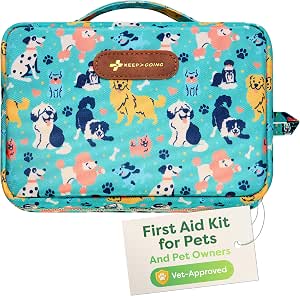
Dog First Aid Kit for Travel Emergencies
It's important to prepare for unforeseeable situations while travelling.

Track Your Dog's Location in Real-Time
It helps you keep your pet safe and in check during travels.

Calming Pheromone Collar for Anxious Dogs
Ideal for easing your dog's anxiety while travelling.
Central Queensland: Townsville to Mackay
Central Queensland has some solid mid-range parks perfect for dogs travelling between north and south. Townsville Caravan Park, right at the edge of the city, allows dogs and has decent grassy areas where they can run around. It's close enough to the Townsville CBD that you can grab supplies easily, but quiet enough that your dog won't be stressed by noise.
Heading south toward Mackay, you'll find Bucasia Beach Caravan Park near Mackay, about 40 kilometres from the town centre. This one has direct beach access on a quieter stretch of coast, and dogs are welcome on the beach during certain hours. You need to check their current dog beach times when you book, as these change seasonally.
The Whitsunday region around Airlie Beach has fewer dog-friendly options than you might expect because of the touristy nature of the area. However, Airlie Beach Caravan Park does allow well-behaved dogs and they have shaded grass areas. Book well ahead during school holidays because this park fills up fast. Summer temperatures here can hit 32 degrees Celsius with high humidity, so travelling during cooler months makes a real difference for your dog's comfort.
South-East Queensland: Sunshine Coast to Brisbane
The Sunshine Coast has excellent caravan parks for dogs because the region's outdoor lifestyle means most businesses cater to them. Coolum Beach Caravan Park, about 30 kilometres north of Maroochydore, allows dogs and has a dedicated dog park area on the grounds. They charge about 12 dollars per night for dogs and the staff know their stuff about travelling pets.
Noosa is trickier because it's upmarket and more restrictive, but Noosa Caravan Park does accept dogs in certain cabins and sites. You're paying premium prices here, so expect to pay around 20 to 25 dollars per night for your dog. The payoff is beautiful beach walks and good facilities.
Brisbane Valley Caravan Park, about 50 kilometres west of Brisbane near Karana Downs, offers space and reasonable rates. This is good if you're coming through Brisbane and want to avoid the city itself with your dog. They have grass sites, shade cover, and a calm atmosphere that suits nervous dogs. The Brisbane area can get hot and sticky, so arriving late afternoon and leaving early morning helps your dog avoid heat stress during travel.
Gold Coast and Far South-East
The Gold Coast is densely packed with tourist parks but surprisingly few are genuinely dog-friendly. Tallebudgera Valley Caravan Park, about 30 kilometres south of Surfers Paradise, is one of the better options. They allow dogs, charge around 10 dollars per night, and the valley setting means your dog gets quieter surroundings than the beachside tourist parks.
If you're heading toward the NSW border, Kingscliff Caravan Park near Kingscliff is just inside Queensland and has good dog facilities. They're about 30 kilometres south of the Gold Coast proper and it's a peaceful spot with beach access nearby. Dogs aren't allowed on the main Kingscliff Beach during certain times, so check their seasonal beach rules.
Coolangatta Caravan Park sits right on the NSW border and allows dogs, though their dog policy is stricter than some parks. You'll pay around 15 dollars per night and they ask that dogs stay on lead in common areas. This area gets crowded in school holidays and weekends, so book early and plan your arrival time to avoid peak traffic congestion.
Inland and Western Queensland: Ipswich to Toowoomba
Many travellers overlook inland Queensland, but the parks here suit dogs better than crowded coastal options. Ipswich has several caravan parks, and Ipswich Caravan Park allows dogs with good grass areas and shaded sites. You're about 40 kilometres inland from Brisbane, so it's quieter without being remote.
Toowoomba sits on the Darling Downs about 130 kilometres inland from Brisbane and offers cooler weather than coastal regions. Toowoomba Caravan Park and Fairyland Tourist Park both welcome dogs and have space to let them exercise. The altitude here means summer temperatures are usually 5 to 8 degrees cooler than coastal Queensland, which helps your dog stay comfortable.
Western Queensland parks become scarcer and more basic the further inland you go. Roma and Chinchilla have basic caravan parks that accept dogs, though amenities are simpler. If you're road-tripping through inland Queensland, expect longer stretches between quality parks and plan water and rest stops accordingly. These inland routes can be beautiful for dogs because you'll encounter fewer crowds and more open space, but always carry extra water and never leave your dog unattended in hot weather.
Practical Tips for Caravan Travelling with Dogs
Before you leave home, organise your dog's vaccination records and microchip information. Different Queensland regions have different councils with different rules about where dogs can go. Having proof of vaccination means you won't get stuck if there's an issue at a park or if your dog gets loose and ends up with a ranger.
Pack a travel first aid kit specifically for your dog. Include bandages, antiseptic wipes, tweezers for removing ticks or grass seeds, and something for diarrhoea because new water sources can upset their stomach. Queensland has various insect hazards including snakes in warmer months, so knowing basic first aid gives you confidence.
Invest in proper shade and ventilation for your caravan. Dogs overheat quickly in stationary caravans, even with windows open. Many parks have limited shade, so bring a gazebo or pop-up tent to set up outside your van. Never leave your dog inside the caravan during the day, even with the door open and a fan running. Accidental heat stroke kills dogs fast.
Get your dog used to the van at home before your trip. Spend time sitting in it stationary, then go for short drives around your neighbourhood. Many dogs get anxious in moving vehicles and anxious dogs need bathroom stops more often. Starting with short trips means you'll understand your dog's travel rhythm before you're 500 kilometres from home.
Booking and Seasonal Considerations
Queensland caravan parks book out heavily during school holidays in April, July, September, and December. If you want to travel during these peak times, book 8 to 12 weeks ahead. The quietest times are May, June, August, and early November when you'll find better availability and often lower rates.
Summer from December to February brings intense heat and humidity to Queensland. Daytime temperatures regularly hit 30 to 35 degrees Celsius and the sun is brutal. This is the hardest season for travelling with dogs because they overheat easily and humidity makes breathing difficult for flat-faced breeds. If you must travel in summer, plan night-time driving and early morning walks only.
Wet season from November to April brings storms and flooding in Far North Queensland especially. Parks sometimes close dog areas due to waterlogged grounds, and roads can wash out suddenly. If you're travelling in shoulder months like October or May, you get good weather without peak-season crowds.
Always ring parks directly rather than relying on their websites. Rules change, rates fluctuate, and staff can tell you details that don't appear online. Ask specifically about dog sizes they accept, whether dogs can be off-lead anywhere, and what shade structures they have. A quick phone call saves frustration when you arrive with your dog.
Plus early access to new guides and partner deals.
No spam. Ever. Just the good stuff for you and your pet.