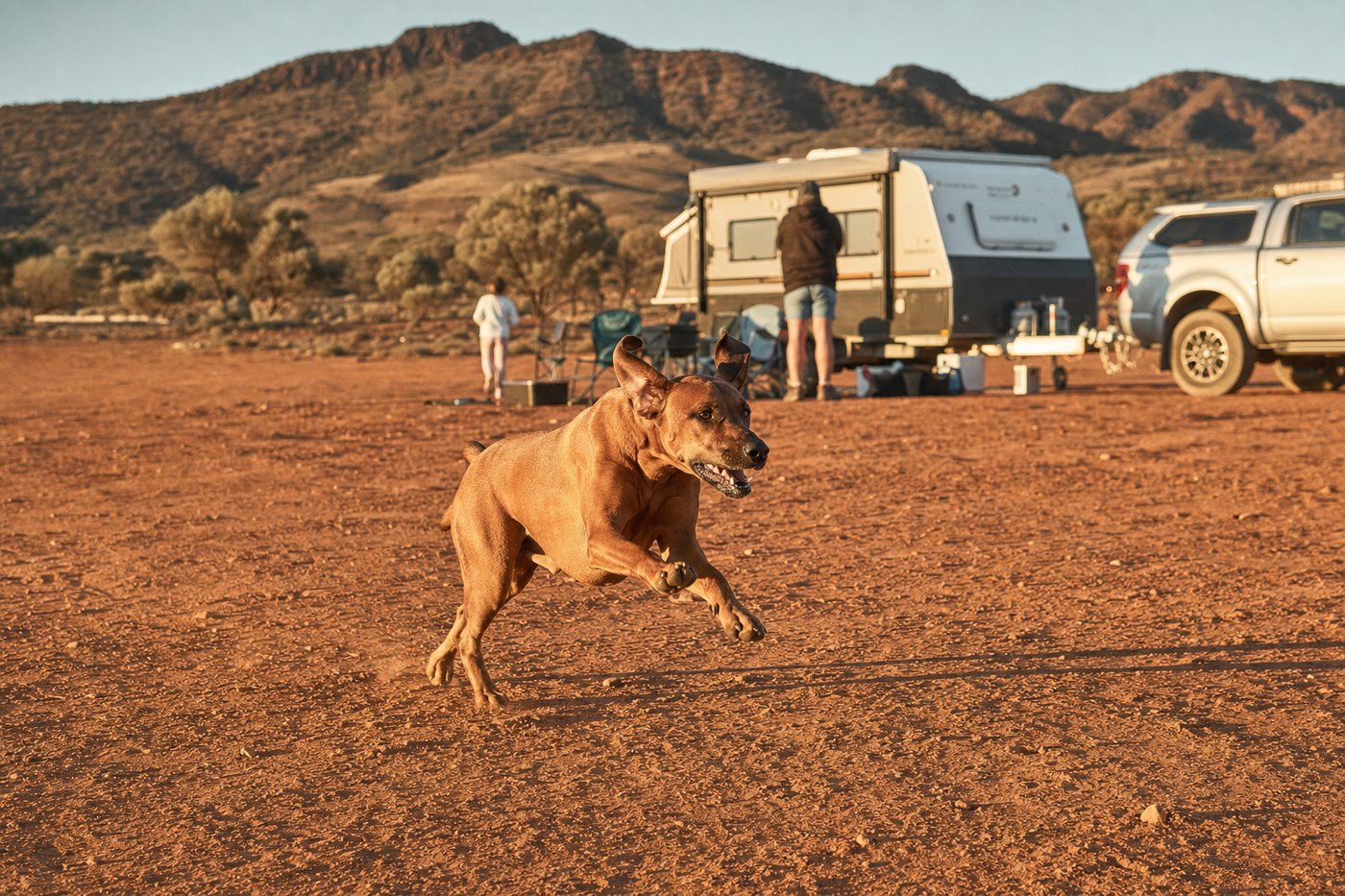
South Australian inland temperatures exceed 40 degrees Celsius regularly during summer months. Never leave your dog unattended in vehicles or exposed areas during this period, as heat stroke develops in minutes and causes death within hours.
Snakes and spiders are active in caravan parks during warm months. Shake out shoes and clothing before dressing, check under caravan skirts before sitting, and scan surroundings before letting your dog loose in unfamiliar grass areas.
Why South Australia is Worth Exploring with Your Dog
South Australia offers some of the most relaxed caravan park attitudes toward dogs in the country. I've travelled with my kelpie cross from Adelaide to Port Augusta and found that most parks welcome well-behaved pets without fuss. The coastline around Glenelg and Victor Harbor gives dogs plenty of beach access, while the Barossa Valley region offers quieter, vineyard-lined stops perfect for a slower pace.
The key difference between SA and other states is that many smaller, family-run parks here treat dogs as just another camper. You won't find the strict breed restrictions or excessive pet fees that plague some parks in Victoria or New South Wales. Winter months from May to August are ideal because your dog won't overheat, and you'll find fewer crowds competing for shady spots.
Most parks sit within easy driving distance of Adelaide, making them accessible whether you're basing yourself in the city or doing a full loop around the state. Your dog will meet other travelling pets regularly, which beats the isolation of remote outback camping.
Adelaide and Foothills Region Parks
If you're starting from Adelaide, a few parks within 30 minutes give you that tested feeling before committing to longer trips. Wattle Park Caravan Park near Campbelltown allows dogs and sits on 20 acres with walking tracks where your dog can burn energy. The park has on-site dams that some dogs enjoy, though you should check water quality with staff first.
Further into the foothills, around Lobethal and Balhannah, you'll find smaller parks that rarely turn dogs away. These tend to be quieter than the Adelaide fringe options and give your dog more room to explore without annoying other campers. The cooler temperatures here suit dogs better, especially if you're travelling in warmer months.
One thing I learned the hard way: ring these parks in person rather than relying on their websites. Many say nothing about dogs online but welcome them happily once you call. A five-minute phone conversation saves you from driving an hour only to be turned away. Always ask about off-lead areas and whether they enforce dog hours, as some parks have quiet times where pets can't be outside certain hours.
Gear we would pack
Some links below are affiliate links. Pawtrips may earn a commission at no extra cost to you.

Quiet 62L Pet Dryer Box with Smart Control
This ensures your pet stays comfortable and dry during your travels.
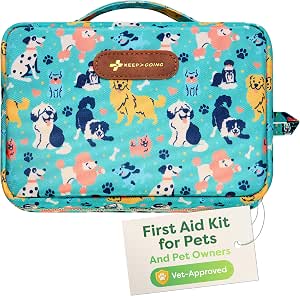
Dog First Aid Kit for Travel Emergencies
It's important to prepare for unforeseeable situations while travelling.

Track Your Dog's Location in Real-Time
It helps you keep your pet safe and in check during travels.

Calming Pheromone Collar for Anxious Dogs
Ideal for easing your dog's anxiety while travelling.
Barossa Valley and Mid-North Parks
The Barossa Valley region around Tanunda and Nuriootpa attracts many dog-owning travellers because the landscape suits walking. Sandy Creek Wines Caravan Park near Tanunda officially welcomes dogs and has open spaces where you can walk safely around the park. The surrounding vineyards have walking paths, though you'll need to ask permission at each winery before letting your dog roam.
Headington Inlet near Angaston provides another solid option with enough space between sites to stop dogs from barking at neighbours. The cooler climate here means your dog won't suffer heat stress, and the rolling hills give plenty of walking variety. I've camped here twice and found the owners genuinely interested in keeping the park dog-friendly.
This region works well for dogs because it's slower paced. You're not competing for facilities with school holiday crowds, and your dog will experience genuine countryside rather than packed tourist zones. Bring your own water supply because some parks have limited outdoor taps, and summer temperatures can still reach 30 degrees Celsius despite the elevation.
Coastal Parks: Glenelg to Victor Harbor
The Adelaide Hills to coast corridor from Glenelg south to Victor Harbor hosts several excellent dog-friendly parks. Brighton Caravan Park, just 15 minutes south of Adelaide, allows dogs and sits close to the beach, though you'll need to check seasonal swimming restrictions. During winter months, dogs can access the beach before 9am, which suits early risers perfectly.
Victor Harbor, about 80 kilometres south, has multiple parks that welcome dogs alongside their usual summer crowds. The Bluff at Victor Harbor offers excellent walking trails where dogs can stretch their legs away from the main beach. Granite Island nearby has walking paths, though access rules change seasonally, so confirm with the park before arriving.
These coastal parks fill quickly during school holidays and long weekends. Book ahead if you're travelling between April and September. The beaches offer great enrichment for dogs, but always check local regulations because some beaches have seasonal dog bans or time-of-day restrictions. Your dog will love the sea air, but avoid letting them drink seawater, which causes digestive upset.
Kangaroo Island Parks for the Adventurous
Kangaroo Island requires a ferry trip from Cape Jervis, about 110 kilometres from Adelaide, but the effort rewards dog owners with unique experiences. The Kangaroo Island Wildlife Park and nearby camping areas allow dogs, though restrictions exist around native wildlife. Your dog must stay on-lead because of the island's unique fauna, which is non-negotiable for conservation reasons.
Camps at Flinders Chase National Park have designated dog-friendly areas, and the park rangers take wildlife protection seriously. I've seen dogs react strongly to wombats and wallabies, so a reliable recall is essential before bringing your dog here. The island's natural beauty makes the extra effort worthwhile, especially if your dog isn't prone to chasing wildlife.
Ferry costs add up, so plan a longer stay of at least three days to justify the trip. The island has fewer parks than the mainland, so book well ahead. Your dog will experience genuine bushland camping without the crowds of other coastal parks, though the wind here can be relentless, so secure your shade setup properly.
Port Augusta and Fleurieu Peninsula Options
Port Augusta, 240 kilometres north of Adelaide, marks the gateway to genuine outback travel. Several parks here welcome dogs, including the Port Augusta Caravan Park, which has dedicated dog areas and staff who understand travelling pets. The town itself is dog-friendly with parks and walking areas, making it a good base for exploring the surrounding region.
The Fleurieu Peninsula, an hour south of Adelaide, offers more intimate caravan park experiences. Goolwa South Beach Caravan Park allows dogs and sits near the Murray River mouth, where your dog can walk along the water without beach restrictions. The riverside walks here are stunning in autumn when the weather cools.
These areas experience extreme heat in summer, reaching 40 degrees Celsius regularly. Never travel north toward Port Augusta between December and February with a dog unless you have full air-conditioning in your vehicle. Many parks have limited shade, so bring your own shade structure. The outback landscape is beautiful, but it's unforgiving for pets, so water management becomes critical.
Essential Gear and Planning for Your Trip
Before booking any caravan park in South Australia, assemble a dog-specific travel kit. Collapsible water bowls take minimal space but solve the daily water problem when parks have limited outdoor taps. A car seat cover or harness keeps your dog safe during drives between parks and prevents them from distracting you on long stretches.
Most South Australian parks charge between 5 to 15 dollars per night for dogs, far less than New South Wales or Victoria. Check whether your chosen park charges this fee upfront or as an add-on at check-in. Always verify vaccination requirements because parks occasionally ask for proof, especially in regional areas.
Microchipping is essential because dogs can slip away in unfamiliar settings. Carry your microchip registration details and vaccination records in a printed folder, not just on your phone. The Barossa Valley and Port Augusta regions have reliable vets, but rural areas have limited weekend services, so keep your vet's after-hours contact details handy. Scout your camp within 20 minutes of arrival so your dog learns the boundaries before dark.
Seasonal Timing and Booking Strategy
South Australia's climate makes autumn and winter the ideal seasons for travelling with dogs. March through May offers warm days without the searing heat, while June through August stays cool but requires warmer clothing for you. Most parks run at 40 percent capacity during these months, so you'll find shade, peaceful campsites, and friendly other campers.
December through February is nearly impossible for dog travel unless you stay near the coast where sea breezes provide relief. I made the mistake of camping inland near Yunta in January with my dog, and the 42-degree heat made everything a struggle. Parks near the ocean like Victor Harbor stay 5 to 10 degrees cooler, but book these well ahead because dog owners discover them too.
April and September represent shoulder seasons when prices drop and crowds thin but weather remains pleasant. These are your ideal windows for exploring the Barossa Valley without battling crowds. If you're flexible with dates, avoid school holidays between April 10 to 20, late July through early August, and all of September starting week two.
Plus early access to new guides and partner deals.
No spam. Ever. Just the good stuff for you and your pet.