Some remote Australian vets require payment in full by cash or card before treatment, and pet insurance reimburses you afterward, not the clinic directly. Ensure you have access to funds.
Why the question matters when travelling
I drove my blue heeler from Brisbane to Melbourne last year, three weeks across three states, and she cut her paw badly on broken glass near a rest stop outside Goondiwindi. The nearest vet was forty kilometres away, and the emergency call-out fee was one hundred and eighty dollars just to open the clinic after hours. I spent five hundred dollars total before she was patched up. That was the moment I realised pet insurance might have saved me serious money.
Travelling with a dog changes the risk profile completely. Your dog is in unfamiliar places, different food and water, longer car rides, and encounters with new animals. A simple injury or illness that might cost four hundred dollars at your local vet in Sydney can balloon to a thousand dollars when you need emergency care in the outback. Pet insurance becomes less about convenience and more about financial protection when you are far from home.
How much pet insurance actually costs
Monthly premiums in Australia range from fifteen dollars to seventy dollars depending on your dog's age, breed, and the level of cover you choose. A young, medium-sized mixed breed might cost you twenty-five dollars per month for basic cover. A larger breed like a German Shepherd or a senior dog over eight years old can climb to fifty dollars monthly or higher. Some providers offer annual payments that save you ten to fifteen percent if you pay upfront.
The catch is that you are usually paying for cover you might never use. If your dog stays healthy and you never make a claim, that money is gone. I calculated my own pet insurance costs over two years and realised I would have needed to spend more than seven hundred dollars in vet bills to break even with the premiums I paid. For many travelling dog owners, the peace of mind matters more than the maths.
Gear we would pack
Some links below are affiliate links. Pawtrips may earn a commission at no extra cost to you.
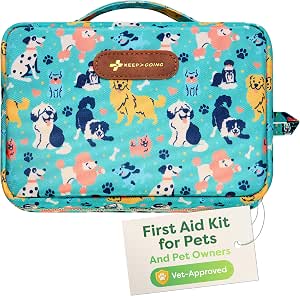
Dog First Aid Kit for Travel Emergencies
It's important to prepare for unforeseeable situations while travelling.

Dog Ear Muffs for Noise Protection
These ear muffs help keep your pet calm in noisy environments during travel.

Reduce Shedding with FURminator Conditioner
A well-groomed coat means less mess in your travel space.

Mini GPS Tracker for Cats - Real-Time Location
Tracking your cat eases the stress of travelling together.
What actually gets covered while travelling
Most Australian pet insurance policies cover accident and illness, but the details matter enormously. Accidental injuries from broken glass, car accidents, or fights with other animals are usually covered after you meet the excess, which typically ranges from one hundred to three hundred dollars. Illness cover includes infections and sudden conditions, but chronic or pre-existing issues are almost always excluded.
The tricky part is location and timing. Some policies limit cover to Australia only, which works for domestic travel but not if you plan to cross into New Zealand. Others have waiting periods of one to two weeks before cover kicks in, so a trip you book in seven days might not be covered at all. Read your policy document word for word before you travel. I learned this by calling my insurer at a vet clinic in Adelaide only to discover my accident cover had a three-hundred-dollar sub-limit for single incidents.
Rural and remote area complications
Australia's size creates a genuine problem for travelling dog owners. The Brisbane to Cairns drive is over seventeen hundred kilometres, and there are stretches where the nearest vet is over two hundred kilometres away. When you need emergency care in Katherine in the Northern Territory or Broken Hill in New South Wales, you do not have choices. Whatever vet is available becomes your only option, and their fees are often significantly higher than city rates.
Pet insurance becomes more valuable the further from major cities you travel. Kununurra, Coober Pedy, and remote coastal towns charge premium prices because they operate with smaller customer bases and higher overheads. One travelling couple I met paid eight hundred dollars for a minor injury assessment and antibiotics at a remote clinic near Port Hedland. With insurance, they would have paid only the excess. Without it, they absorbed the full cost.
The self-insurance strategy alternative
Some experienced travelling dog owners skip insurance entirely and instead set aside a dedicated emergency fund. If you open a separate account and deposit fifty dollars monthly for twelve months, you have six hundred dollars to cover most unexpected vet costs in Australia. This works well if your dog is young and healthy, and you are comfortable with financial risk. You keep all the premium money if you never need it, and you avoid claim rejections based on policy fine print.
However, this strategy requires discipline and realistic expectations. A serious car accident or acute illness can easily cost two thousand dollars or more. Can you afford to pay that out of pocket while travelling. I think about my own situation: if my dog had needed an emergency operation after that glass-cut incident, the bill would have been three thousand dollars. My emergency fund of nine hundred dollars would have covered less than a third. Pet insurance had given me access to treatment without that financial ceiling.
Questions to ask before buying a policy
Before you commit to any pet insurance, contact the provider directly and ask specific questions about travel. Ask whether they cover vet visits interstate and overseas. Ask about excess amounts and sub-limits for specific conditions. Ask whether waiting periods apply if you purchase the policy less than three weeks before you travel. Get their definition of pre-existing conditions in writing.
I also recommend asking about claims turnaround time and whether they reimburse directly to the vet or reimburse you after you pay. Some providers will invoice the vet clinic directly, which saves you hundreds of dollars upfront. Others require you to pay the vet in full and then submit paperwork for reimbursement, which can take weeks. When you are halfway through a road trip and your dog needs urgent care, the difference between immediate coverage and waiting for reimbursement is genuinely important.
What makes insurance worth it for your situation
Pet insurance makes the most sense if your trip is longer than four weeks, if you are travelling to remote regions where vet costs are higher, or if your dog is older or a breed with known health problems. A two-week trip to the Great Ocean Road probably does not justify the cost. A three-month journey from Perth to Tasmania does.
Your own financial situation matters too. If an unexpected one-thousand-dollar vet bill would strain your budget or cut your trip short, insurance provides real security. If you can comfortably absorb emergency costs without stress, the decision becomes more about risk tolerance. I decided to keep insurance during my long-distance travels because I did not want to choose between my dog's health and my finances while hundreds of kilometres from home. That peace of mind made the monthly premiums feel worth it.
Making the final decision
The honest truth is that pet insurance is not a simple yes or no answer. It depends on your dog's age and health, your travel distance and destination, your emergency savings, and your comfort with risk. A young healthy Kelpie on a two-week trip to coastal NSW might not need it. A senior dog or a trip spanning months across multiple states makes insurance look much smarter.
My recommendation is to calculate your own break-even point. Get quotes from three providers, multiply the monthly premium by the number of months you will be travelling, then ask yourself whether that total cost is less than the vet emergency you are most worried about. If your answer is yes, buy the cover. If your answer is no, set aside that money as your own insurance fund. Either way, you are making a conscious choice rather than leaving yourself unprotected.
Plus early access to new guides and partner deals.
No spam. Ever. Just the good stuff for you and your pet.