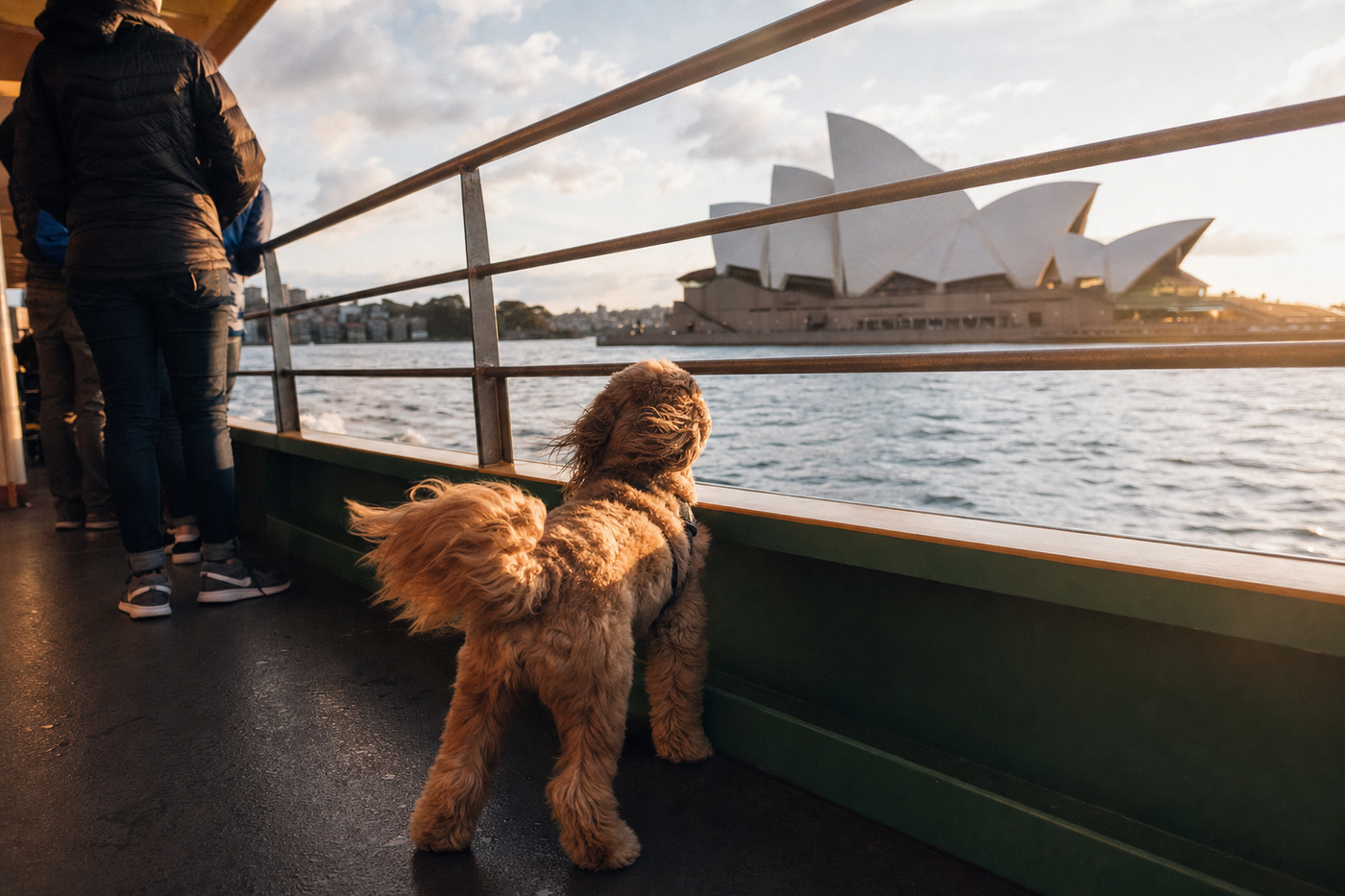
Dogs can panic and jump overboard during boarding or sailing, especially if stressed by noise or crowds. Keep your dog on a tight lead and positioned away from edges at all times.
Seasickness in dogs can escalate to dehydration or heat stress if not addressed quickly. Watch for excessive drooling, vomiting, or panting, and move your dog to fresh air or shade immediately.
Sydney Ferries: Rules and What to Expect
Sydney Ferries allow dogs on most routes, but the rules are strict. Your dog must wear a collar and lead at all times, and you pay a small pet fee on top of your ticket. I took my kelpie mix, Biscuit, from Circular Quay to Taronga Zoo on a Saturday morning, and the crew was friendly but firm about keeping him leashed.
The inner harbour routes like Circular Quay to Darling Harbour, or Barangaroo to Watsons Bay, welcome dogs without fuss. Longer routes to the outer reaches like Parramatta can feel rougher in bad weather, so book a cabin-style seating area if your dog gets anxious. Dogs are not allowed in the air-conditioned indoor seating areas on some ferries, so you will spend time on deck. The journey from Circular Quay to Taronga takes about 12 minutes, enough time for most dogs to settle.
Ring Sydney Ferries directly on 131 500 to confirm your route allows pets before you buy tickets. The staff can tell you which vessels have better outdoor seating for travelling with animals. Peak times like Friday evenings or weekend mornings mean crowded decks, so consider travelling mid-week if your dog dislikes crowds.
Melbourne Water Taxis and Ferry Services
Melbourne's ferry network is smaller than Sydney's, but dog-friendly options exist if you know where to look. Williamstown ferries from South Melbourne are popular with locals, and most accept dogs on leads. The ride takes about 25 minutes, which is long enough to test whether your dog will stay calm on water.
Melbourne's Yarra River cruises vary by operator, so always ring ahead to check their pet policy. Some companies charge nothing for dogs, while others charge between 5 and 10 dollars per animal. I travelled on the Williamstown ferry with a nervous greyhound last summer, and she spent the entire 25 minutes shaking in the corner. The open-air upper deck helped: fresh air and less human noise made her feel safer.
Water taxis operate in the inner Yarra around Southbank, but they are hit or miss with pets. Book a water taxi directly through the operator and ask whether the captain allows dogs on board. Some boats are tiny pontoons with no shelter, so weather matters. On calm days, your dog might enjoy the novelty. On choppy days, you will both regret it.
Gear we would pack
Some links below are affiliate links. Pawtrips may earn a commission at no extra cost to you.
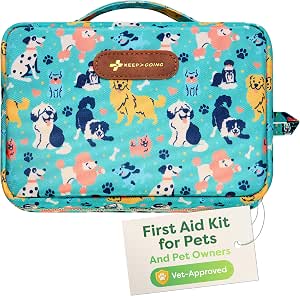
Dog First Aid Kit for Travel Emergencies
It's important to prepare for unforeseeable situations while travelling.

Dog Ear Muffs for Noise Protection
These ear muffs help keep your pet calm in noisy environments during travel.

Reduce Shedding with FURminator Conditioner
A well-groomed coat means less mess in your travel space.

Mini GPS Tracker for Cats - Real-Time Location
Tracking your cat eases the stress of travelling together.
Brisbane CityCat Ferries and Pet Policies
Brisbane's CityCat ferries carry millions of passengers yearly, and dogs are welcome if you follow the rules. Your dog must be on a lead, and you pay the standard ticket price plus a pet fee of around 5 dollars. The network stretches from the North Quay to Wynnum and Sandgate, covering about 40 kilometres of the Brisbane River.
I travelled from North Quay to Bulimba on a Thursday afternoon with my blue cattle dog, and the ferry was calm and half full. The journey took 20 minutes, and the dog dozed after the first five minutes because the engine noise became background. CityCat ferries have open-air decks on the upper level, which is where pets sit. The lower deck is air-conditioned but often crowded with commuters, so your dog might feel stressed.
Brisbane Transport operates the network, and you can ring them or check their website for specific route pet policies. Some peak routes during 7am to 9am and 5pm to 6pm get packed with workers, so avoid those times if your dog is anxious around strangers. The journey lengths vary, but most inner-city routes take less than 30 minutes, which suits most dogs fine.
Preparing Your Dog for Ferry Travel
Dogs hate ferries if they have never been on water before. Introduce your dog to the motion gradually. Take a short five-minute trip first, maybe from Circular Quay to the Opera House Bar stop on Sydney Ferries, just to let your dog feel the movement and hear the engine noise without commitment.
Exercise your dog heavily the morning of the trip. A tired dog is a calm dog. I walk Biscuit for an hour before we board any ferry, and she sleeps for half the journey. A dog with energy will pace, whine, and stress other passengers. Feed your dog several hours before travel, not right before, because motion sickness in dogs is real and unpleasant.
Bring a collar and lead you know works well. Avoid retractable leads on ferries because other passengers will trip over them, and if your dog lunges, you lose control fast. A standard 1.5 metre lead keeps your dog close and safe. Talk to your dog in a calm voice throughout the journey. Dogs pick up on your tension, so if you are nervous, your dog becomes nervous.
What to Pack for Ferry Trips with Your Dog
Pack a collapsible water bowl. Ferries are windy, hot, and dehydrating. Your dog needs water access every 20 to 30 minutes, especially on longer routes. I learned this lesson the hard way when my dog refused to drink from a bowl I brought, and by the time we reached Taronga, she was panting hard. A collapsible bowl takes no space and folds flat in your bag.
Bring paper towels or a small towel for your dog if the deck gets wet or if your dog gets seasick. Some ferries have water fountains, but they are rare. Bring more water than you think you need. A portable water bowl prevents your dog from drinking the ferry's tap water, which can upset sensitive stomachs. If your dog travels anxiously, consider bringing a calming supplement recommended by your vet, but avoid human sedatives without veterinary guidance.
Wear shoes with grip on deck. If you slip, your dog's lead might snap or twist. Bring sunscreen for your dog's nose and ears if the trip is longer than 30 minutes and sunny. Darker-coated dogs absorb heat fast on open-air decks.
Common Problems and How to Handle Them
Seasickness happens in dogs the same way it happens in humans. Signs include drooling, vomiting, and panting. If your dog shows these signs, move to the upper deck in fresh air and let your dog rest. Ring the crew immediately if your dog seems distressed. Most ferry staff have seen anxious animals before and will help you find shade or shelter.
Other passengers sometimes become annoyed if your dog barks or jumps. Keep your lead short, speak firmly but calmly to your dog, and stay away from crowded corners. If another passenger has a dog, do not assume the dogs will be friendly. Ferries are stressful places, and stressed dogs sometimes snap. Keep your dog away from other animals and their owners.
If your dog escapes the lead during boarding, it could jump overboard. This sounds extreme, but panicked dogs do panic. Always keep your lead attached, even when stopped at the dock. Board early and position your dog away from the edge of the boat. If an incident happens, inform crew instantly so they can radio for help.
Ferry Companies to Contact Before You Travel
Sydney Ferries operates the majority of routes and has the clearest pet policies. Ring 131 500 or check their website for specific pet rules per route. Manly Fast Ferries and regular Manly ferries accept dogs but charge a small fee. Taronga Zoo ferries welcome dogs, which is ironic but true.
Melbourne's Williamstown ferry operator accepts dogs and is easy to contact. Brisbane CityCat runs the main network and their website lists pet policies clearly. Across Australia, smaller regional ferries exist in places like the Derwent River in Hobart, the Swan River in Perth, and various coastal areas. Not all operators have updated websites, so a phone call is always your best bet. Ask specifically about the route you want, the length of the journey, whether the ferry has indoor seating, and what the pet fee is. Most operators charge between 2 and 10 dollars per animal. Some charge nothing at all.
When Ferry Travel Might Not Suit Your Dog
Senior dogs with joint pain may struggle with the rocking motion and difficulty getting on and off the vessel. If your dog has a heart condition or severe anxiety, ferries are not worth the stress. Very young puppies under 12 weeks should not travel on ferries because their inner ears are still developing.
If your dog has never been off your property, ferries are too much stimulation. Build confidence on car trips first. If your dog is aggressive toward other animals or people, ferries are public spaces and risky. A ferry is the wrong environment to test whether your dog can handle crowds.
Tiny dogs under 3 kilograms can sometimes be held in your arms instead of kept on the deck, but check the specific operator's rules. Large dogs over 40 kilograms are welcome but draw more attention from crew and other passengers, so expect closer scrutiny of your control.
Plus early access to new guides and partner deals.
No spam. Ever. Just the good stuff for you and your pet.