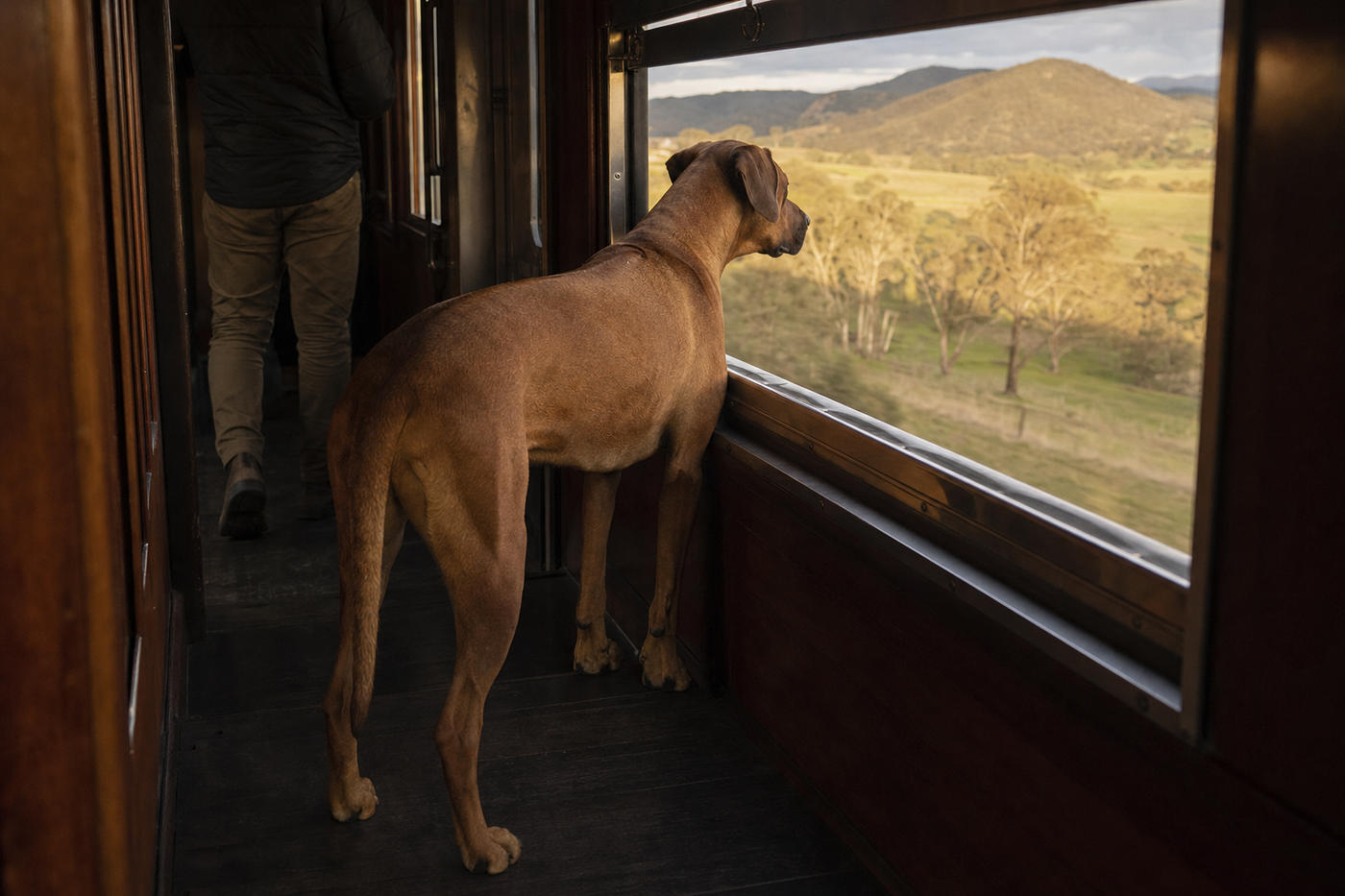
Some dogs experience anxiety or motion sickness on trains due to noise and vibration. If your dog shows signs of distress, speak to your vet before travel about calming options.
Why train travel with your dog matters
Taking your dog on a train is one of the best ways to explore Australia without leaving them behind. When I travelled from Sydney to Newcastle with my Kelpie, I realised how much easier rail is compared to driving six hours in the car. Your dog gets to experience new places, new smells, and the novelty of train travel itself. Many Australians assume they cannot bring their pets on trains, but most state rail networks actually welcome dogs with proper planning. The rules exist to keep your dog safe and other passengers comfortable, not to exclude you from travelling together.
NSW trains: what CityRail and regional services allow
Sydney Trains allows dogs on all services free of charge, though they must be on a lead or contained in a pet carrier at all times. I've taken my dog on the Central Coast line countless times, and staff have always been helpful about where to sit. For longer journeys like Sydney to Wollongong, your dog travels for free but you should book ahead to ensure space. NSW TrainLink regional services that go from Sydney to places like Canberra, Armidale, and Grafton also permit dogs, usually at no extra cost. However, you must contact the operator before your journey to confirm availability and get approval. Some regional services have only one or two designated pet-friendly carriages, so early notification helps them plan your seating.
Gear we would pack
Some links below are affiliate links. Pawtrips may earn a commission at no extra cost to you.
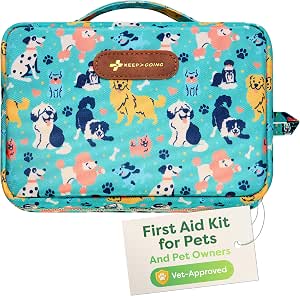
Dog First Aid Kit for Travel Emergencies
It's important to prepare for unforeseeable situations while travelling.

Dog Ear Muffs for Noise Protection
These ear muffs help keep your pet calm in noisy environments during travel.

Reduce Shedding with FURminator Conditioner
A well-groomed coat means less mess in your travel space.

Mini GPS Tracker for Cats - Real-Time Location
Tracking your cat eases the stress of travelling together.
Victoria's V/Line and Metro rules for dogs
Melbourne's Metro trains allow dogs on off-peak services free of charge if they are on a lead or in a carrier. Peak hours run from 7am to 10am and 4pm to 7pm on weekdays, and your dog is not allowed during these times. V/Line regional services that travel to destinations like Ballarat, Bendigo, and Geelong have different policies. Most V/Line services permit dogs for a small fee, usually around $15 to $25, but you must contact the operator at least one day before travel. I travelled with a friend to Daylesford and learned that regional operators are stricter about sizing requirements than metro services. Victorian country trains often limit dogs to smaller breeds under 10 kilograms, so check your dog's weight against their specific rules.
Queensland trains: Translink and the Brisbane network
Translink Queensland allows dogs on regional services, but Brisbane's City Train network has restricted the policy in recent years. City hopper trains no longer permit pets during peak hours, and off-peak travel requires dogs to be in a secure pet carrier. For trips beyond Brisbane, Translink regional services to places like Cairns and Gold Coast allow dogs on leads for a fee. When I travelled north to Mackay, the booking agent explained that remote regional services often have fewer restrictions because carriages are less crowded. Queensland services tend to be more pet-friendly than southern states if you're travelling longer distances, but always phone ahead. The further north you go, the more relaxed the policies become, though you should never assume and always confirm when booking.
South Australia, Western Australia, and Tasmania policies
Adelaide's Metro trains allow dogs free of charge on off-peak services, with similar restrictions to Melbourne about peak hour travel. Great Southern Rail services in South Australia permit dogs for longer journeys, and you should contact them directly for rates and specific requirements. Western Australia's Transperth in Perth has stricter policies than eastern states and typically does not allow dogs on urban services. However, regional WA rail services have more flexibility. Tasmania's limited rail network operates the West Coast Wilderness Railway, which permits dogs in designated carriages for an additional fee. When planning travel in these states, assume you need to book in advance and contact the operator directly, as web information is often incomplete.
Size, breed, and health requirements across all states
Most Australian train operators have weight limits ranging from 10 to 25 kilograms, though some allow larger dogs if they are well-behaved and on a lead. Small lap dogs under 5 kilograms travel free on many services, while larger dogs incur a pet fee. No Australian railway requires vaccination certificates, but you should carry your dog's microchip paperwork and a photo of your dog in case of any issues. Aggressive breeds like Pit Bull Terriers and dogs with a history of biting may be restricted or banned outright. I've never been asked for these documents, but I always carry them because railway staff have the authority to remove dogs that behave aggressively or pose a safety risk. Dogs must wear a collar and ID tag with your phone number, and many operators prefer dogs to be on a lead rather than loose in a carrier.
Practical tips for a smooth journey with your dog
Arrive at the station at least 20 minutes early so your dog has time to toilet before boarding. Pack a portable water bowl and a bottle of water because your dog will get thirsty, especially on journeys longer than two hours. Bring treats and a toy to keep your dog calm and distracted, as the noise and motion of trains can stress anxious dogs. I learned to book a window seat when possible so my dog could rest against the wall rather than feeling crowded by other passengers. Some dogs experience motion sickness on trains, so consider a light meal before travel rather than a full stomach. If your dog is prone to stress, speak to your vet about calming supplements or medication a few days before travel. Keeping your dog calm benefits everyone on board, so these small preparations make a real difference.
Booking your pet train ticket: what to expect
Most Australian train operators require you to call or email at least 24 hours in advance to book a pet ticket. Online booking systems rarely have pet options, so telephone booking is essential. When you call, have your travel dates ready, your dog's weight, and whether you want a carrier or prefer your dog on a lead. Some operators will ask questions about your dog's temperament and whether it tends to bark, so be honest because they use this to assign seating away from quiet carriages. Expect to pay between $10 and $30 for a pet ticket, depending on journey length and the operator. Booking in advance also helps the operator arrange seating in dog-friendly carriages. I've never had a booking refused when I called with reasonable notice, even during busy periods like school holidays.
Plus early access to new guides and partner deals.
No spam. Ever. Just the good stuff for you and your pet.