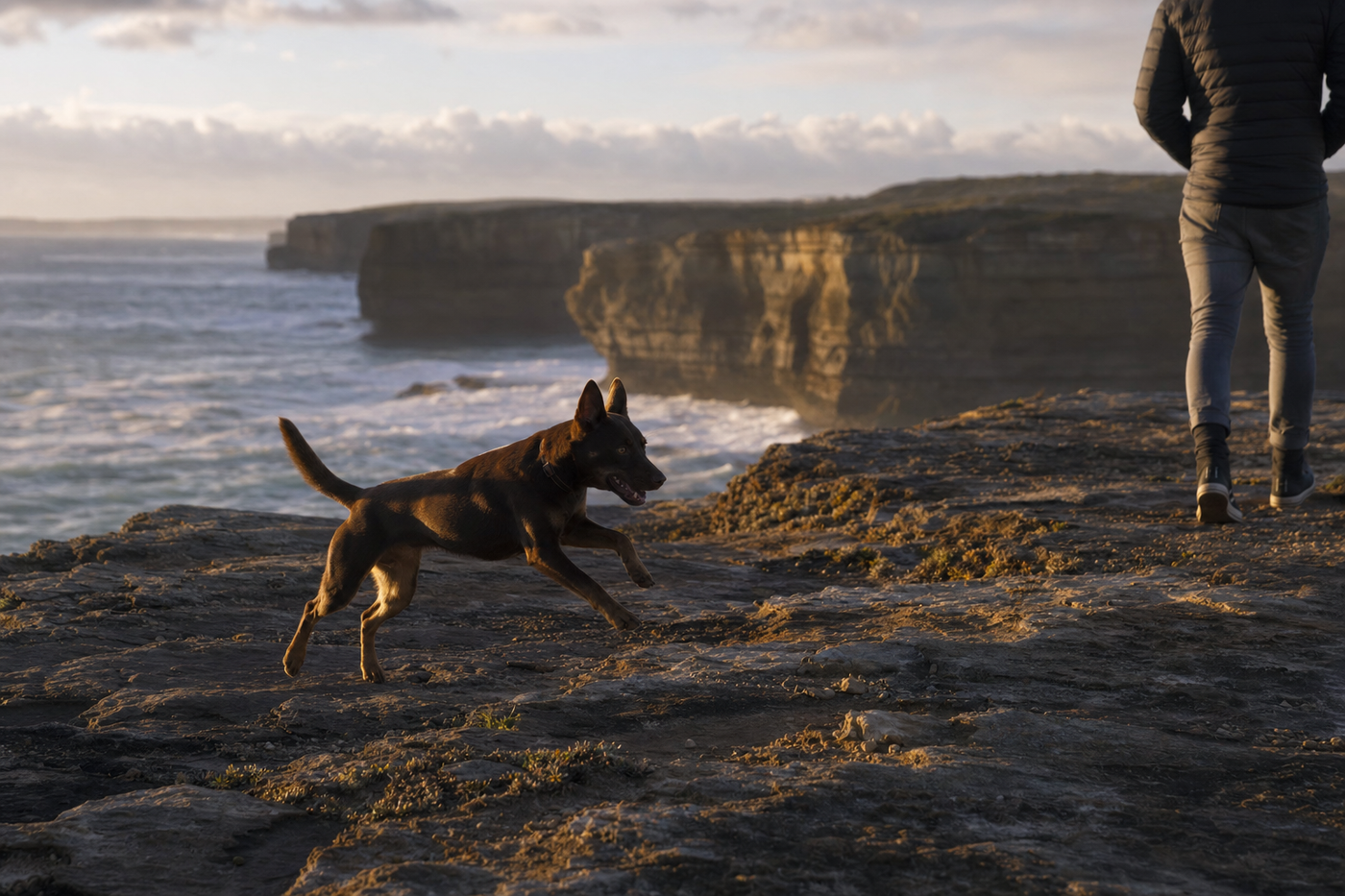
Snake bite treatment is expensive and time-sensitive. Know the symptoms of snake bite and have emergency vet contact details for every location you visit, as delays in treatment can be fatal.
Some dogs show signs of heat stress or illness very suddenly while travelling. Always carry water, never leave your dog in a hot car, and seek immediate vet attention if your dog seems confused, is excessively panting, or collapses.
How to Claim on PetsOnMe When Your Dog Gets Sick
When your dog needs emergency vet treatment, you'll typically pay the vet upfront and then submit a claim to PetsOnMe. This means you need to have funds available when you're away from home. It's worth planning for this before you leave, especially if you're travelling to regional areas where some vets might not take card payments.
You'll need to provide the original vet invoice, itemised receipts, and a statement from the vet describing the treatment. PetsOnMe will assess whether the claim falls within your policy coverage. The insurer will then reimburse you up to your policy limits. Most claims are processed within two weeks, though you can contact them for urgent reimbursement if you need to fund further treatment.
I always take photos of invoices and vet reports while I'm still at the clinic, then email them to myself as backup. This protects you if paperwork gets lost during your travels. Some vets are happy to email invoices directly to the insurance company, which saves you a step.
Comparing PetsOnMe to Other Travel Insurance Options
PetsOnMe isn't the only option for travelling dogs. RSPCA Pet Insurance and several other Australian insurers offer travel coverage, though their terms vary significantly. Some policies only cover dogs within certain age ranges, while others have different excess amounts and daily limits. The cheapest option isn't always the best because a low premium might mean a high excess or limited coverage.
When comparing policies, look at the maximum daily benefit and the maximum trip duration covered. A policy that covers 50 dollars a day is almost useless if your dog needs emergency surgery costing 2,000 dollars. Check whether you get automatic coverage for multiple trips during a year or if you need to buy separate policies for each journey.
Your existing pet insurance might have travel coverage built in without you realising it. Phone your current insurer and ask whether they cover incidents that happen while your dog is travelling in a different state. You might find you're already protected, which saves you money on an additional policy.
Gear we would pack
Some links below are affiliate links. Pawtrips may earn a commission at no extra cost to you.
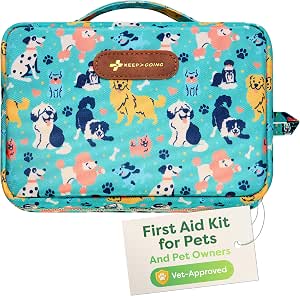
Dog First Aid Kit for Travel Emergencies
It's important to prepare for unforeseeable situations while travelling.

Dog Ear Muffs for Noise Protection
These ear muffs help keep your pet calm in noisy environments during travel.

Reduce Shedding with FURminator Conditioner
A well-groomed coat means less mess in your travel space.

Mini GPS Tracker for Cats - Real-Time Location
Tracking your cat eases the stress of travelling together.
Before You Leave: Five Essential Preparation Steps
Buy your insurance at least two weeks before you travel, not the day before. Most policies have waiting periods, and you want time to resolve any issues with coverage before you're already on the road. During those two weeks, take your dog to your regular vet for a check-up. Get a health certificate and vaccination records in writing. Your dog should be up to date on flea, tick, and worm treatments for the region you're visiting.
Make a list of emergency vet clinics in every town you're planning to visit. In a crisis, you don't want to be searching online when your dog is suffering. Ring ahead if you're staying somewhere remote and confirm the nearest vet and how far away it is. Write down your PetsOnMe policy number and customer service phone number, then store this information in your phone, in your car, and on your dog's collar.
Pack twice as much water as you think you'll need and bring your dog's regular food from home. New food in a new environment can trigger digestive issues that would then need vet treatment. If your dog has any medications, bring extra doses in case you're delayed getting home.
Real Scenario: What Happens When Your Dog Gets Bitten by a Snake
Your dog gets bitten by a snake while you're camping near Tamworth. You rush to the nearest vet, which is 45 minutes away. The vet administers anti-venom, runs blood tests, and keeps your dog hospitalised for two days at 300 dollars a night. The total bill comes to 1,200 dollars. Without insurance, that's coming out of your pocket right now.
With PetsOnMe coverage, you pay the vet with your credit card or savings. You then submit the invoice, vet report, and photos of the snake bite to PetsOnMe. The insurer approves your claim because snake bites are clearly emergency treatment covered under the policy. They reimburse you according to your policy limits. If your daily limit is 200 dollars and your trip limit is 1,400 dollars, you might get back 800 to 1,000 dollars depending on how PetsOnMe calculates the benefit.
This scenario happens every year to Australian travellers. The difference between being protected and not protected is whether you can afford to get your dog proper emergency care. With insurance, you take your dog to the best vet you can find. Without it, you might delay treatment because you're worried about cost, which could make things worse.
Red Flags to Watch Out For in Your Policy Terms
Read the definition of what counts as an emergency. Some policies are strict and only cover life-threatening conditions, not illnesses that cause significant suffering but aren't immediately fatal. An intestinal blockage isn't life-threatening for the first few days, but it's still an emergency that needs surgery. Make sure your policy covers these situations.
Watch for policies that require you to use only certain vets. This sounds fine until you're in a remote area and the nearest PetsOnMe-approved vet is three hours away. You need flexibility when you're travelling, especially in regional Australia. Check whether the policy covers treatment in other states and territories, and whether interstate vets are on the approved network.
Beware of policies that reduce the benefit if you've made previous claims. If your dog had an emergency during a previous trip, some insurers will reduce your current coverage or refuse to cover that condition in future. Read the fine print about how claims history affects your coverage and premiums for future policies.
Plus early access to new guides and partner deals.
No spam. Ever. Just the good stuff for you and your pet.