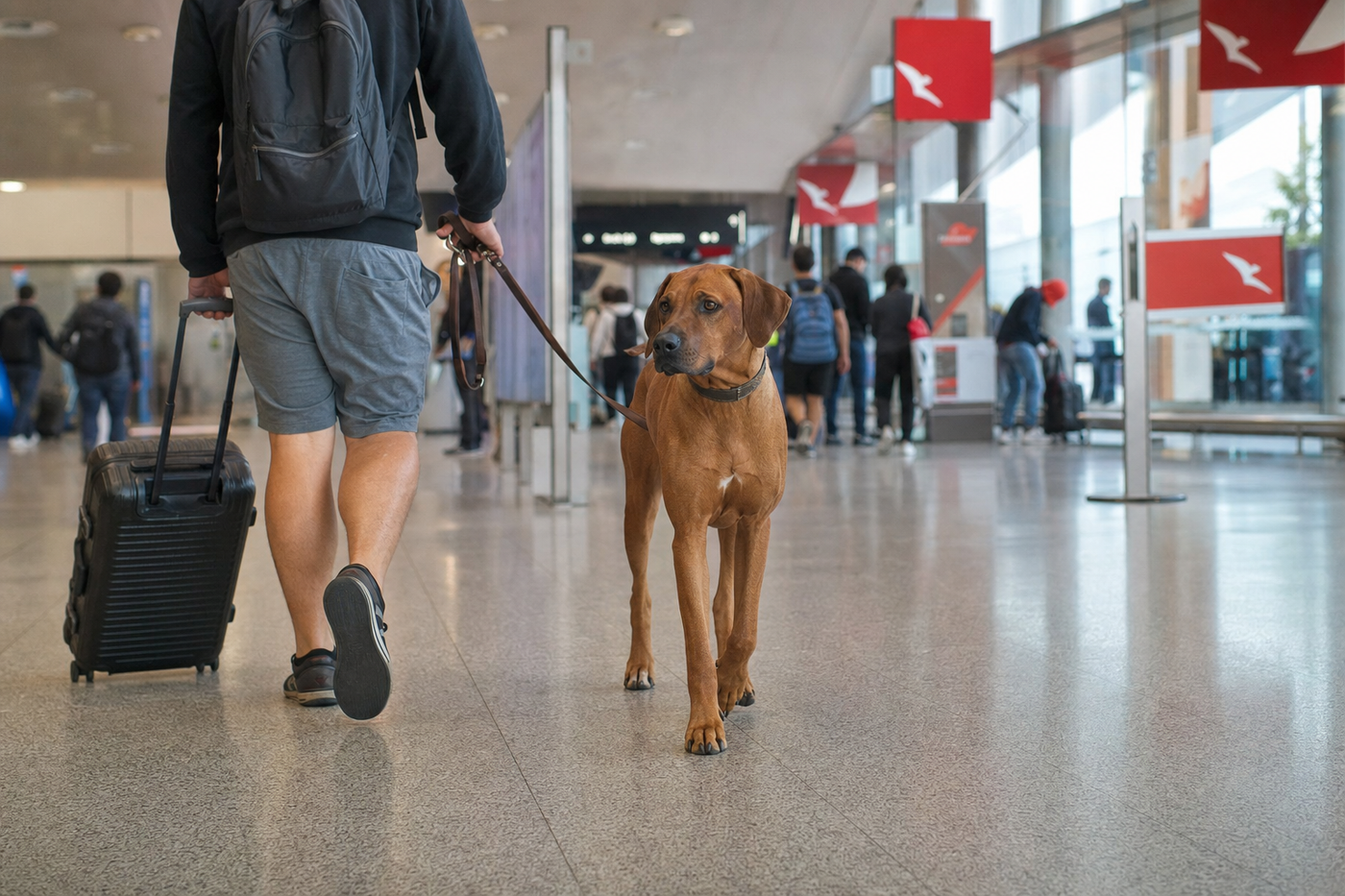
Heat stress is a genuine risk during airport procedures and ground transport. Even short delays can cause dangerous temperature spikes inside carriers, especially during summer months in Australian cities like Perth or Brisbane.
Can Your Pet Actually Fly Qantas
Qantas allows dogs and cats in the cabin on domestic flights only, but there is a hard limit: only two pets per flight are permitted. This means if you call Qantas a week before departure, you might find the spots already taken. I learned this the painful way when I tried to book Fluffy from Sydney to Melbourne three days out and got told no dice.
Your pet must weigh 10 kilograms or less and fit inside an approved carrier that slides completely under the seat in front of you. Larger dogs get the cargo hold treatment, which is a different conversation entirely and honestly more stressful. Qantas does transport larger pets in pressurised, temperature-controlled cargo areas, but I never felt comfortable with it after hearing horror stories from other travellers at the Gold Coast airport.
Cats, small dogs, rabbits, and guinea pigs can all travel cabin. Your guinea pig is welcome where your German Shepherd is not. International routes across the Tasman or further afield have a blanket ban on pets in cabin, so a trip to Auckland with your dog is off limits via Qantas.
What Qantas Actually Charges for Cabin Pets
A domestic cabin pet on Qantas costs around AUD 150 per flight, though this varies depending on the route. A flight from Brisbane to Cairns might be AUD 120, while Sydney to Perth could creep toward AUD 180. You pay this fee once per sector, so if you are flying Melbourne to Sydney to Brisbane, that is two separate charges.
Cargo transport for larger dogs starts at around AUD 300 for short hops and can exceed AUD 500 for long-haul domestic routes. I paid AUD 420 to send a friend's border collie from Melbourne to Hobart once, and that was considered reasonable by Qantas standards. The exact fee depends on your pet's weight, the distance, and current airline pricing.
These fees are separate from your own ticket. Qantas does not bundle pet costs into seat selection or luggage. You will pay your airfare, and then the pet cost is added on top. Unlike some airlines, Qantas does not offer a pet subscription or frequent flyer discount for regular animal travellers.
Gear we would pack
Some links below are affiliate links. Pawtrips may earn a commission at no extra cost to you.

Quiet 62L Pet Dryer Box with Smart Control
This ensures your pet stays comfortable and dry during your travels.
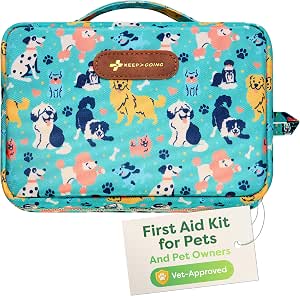
Dog First Aid Kit for Travel Emergencies
It's important to prepare for unforeseeable situations while travelling.

Dog Ear Muffs for Noise Protection
These ear muffs help keep your pet calm in noisy environments during travel.

Reduce Shedding with FURminator Conditioner
A well-groomed coat means less mess in your travel space.
Health Requirements Before Your Flight
Your vet must issue a health certificate within 10 days before your flight. This certificate confirms your pet is fit to fly and up to date on vaccinations. Most vets in Australia charge around AUD 50 to AUD 80 for this certificate, and the process takes a few days, so plan ahead.
Qantas requires the health certificate to be presented at check-in, and without it, your pet will not board. This is not a grey area. I once met a woman at Adelaide airport whose cat's certificate had expired by two days, and Qantas refused to let it fly despite her pleading. The airline was polite but unmoved.
If you are travelling interstate, some states have additional biosecurity requirements. Queensland, for example, requires a specific form for certain animals. Check your destination state's agriculture department website before booking. A vet familiar with travel will know these rules, but it never hurts to ask directly.
Choosing and Preparing the Right Carrier
Your carrier must be rigid, well ventilated, and fit under the seat in front of you without protruding into the aisle. Soft-sided carriers that compress work better than hard plastic boxes for this reason. Qantas provides specific dimensions: roughly 45 centimetres long, 30 centimetres wide, and 25 centimetres tall, though measurements vary slightly by aircraft type.
I bought a carrier off a recommendation from the Pawtrips community and it was genuinely too deep. It slid under the seat but the back bumped the armrest, which the flight attendant flagged immediately. We sorted it out by placing the carrier slightly angled, but it was stressful during boarding.
Make sure your pet is used to the carrier before the flight. Spend a few weeks letting your dog or cat sit in it at home, then in the car, then at the park. A stressed pet that is not carrier-trained will panic on a three-hour flight, and you will be that passenger whose dog won't stop barking. Line the bottom with a pee pad just in case.
What Happens at Check-in and Boarding
Arrive at the airport at least three hours early when travelling with a pet. You need time to check your pet in separately, and Qantas staff need to inspect the carrier and health certificate without rushing. On a recent trip from Perth to Melbourne, our check-in took an extra 20 minutes because the agent wanted to verify the carrier dimensions with her supervisor.
At the gate, you will present your pet one more time before boarding. A Qantas representative will do a quick visual check to ensure the animal is calm and the carrier is secure. They are looking for signs of distress or illness. If your pet seems overly anxious or unwell, Qantas can refuse boarding on animal welfare grounds, and you have no recourse.
Once on board, your pet stays in the carrier under the seat for the entire flight, including takeoff and landing. You cannot let your dog out to stretch or comfort a distressed animal. The cabin crew will not hold your pet or provide water bowls. Your responsibility is to keep your animal calm and contained for the duration.
Cargo Travel for Larger Dogs
Dogs over 10 kilograms travel in the cargo hold, which is pressurised and temperature-controlled but still involves separation from you. This option suits large breeds, working dogs, or relocations across the country. However, the experience varies, and you have limited visibility into how your pet is handled.
Qantas requires a cargo pet to be in a rigid crate with specific ventilation holes and handles. The crate must meet IATA standards, which are stricter than domestic requirements. You will need the same health certificate, plus additional paperwork declaring the crate dimensions and your pet's weight.
My advice: if your dog is large enough to go cargo, seriously consider alternative transport. Many people hire pet-specific couriers or transport companies that dedicate a vehicle to just a few animals. These services cost more but provide peace of mind. I know several people who have chosen this route for interstate moves and have not regretted it.
Practical Tips That Actually Make a Difference
Exercise your pet thoroughly the morning of travel. A tired dog is a calm dog, and calm dogs fly without drama. I walked my spaniel for 45 minutes before an early morning flight from Brisbane, and he slept almost the entire way.
Pack familiar items: a favourite toy, a blanket that smells like home, and any comfort items that help your pet relax. Do not bring new toys or treats that might cause excitement or digestive upset mid-flight. Avoid feeding your pet a full meal three to four hours before boarding to reduce the chance of airsickness.
Wear your pet out mentally too. A puzzle toy or a chew that takes concentration helps distract from the stress of flying. Some people swear by calming treats or supplements, though results vary. Have realistic expectations: your pet will be anxious, and that is normal. Your job is to minimise the anxiety, not eliminate it entirely.
Connect with Qantas early. Call the airline at least one week before your flight to confirm a pet spot is available and to ask any specific questions about your route or animal. Different aircraft have slightly different under-seat dimensions, and knowing this in advance saves headaches at the airport.
Common Mistakes People Make When Flying Pets
Booking a pet spot too close to departure is the biggest mistake. Many travellers assume they can sort it out the day before or the morning of. Qantas often books out both cabin pet spots weeks in advance, especially on popular routes like Sydney to Melbourne or Brisbane to Gold Coast.
Underestimating stress is another common trap. People assume their calm, relaxed dog at home will be fine during a flight. Flying is loud, unfamiliar, and confusing for animals. A dog that never barks at home might bark continuously at 35,000 feet. Prepare your pet mentally and physically beforehand.
Forgetting about health certificate deadlines happens surprisingly often. The certificate must be issued within 10 days, not from 10 days before. If you book a flight and the vet issues a certificate 12 days out, it is invalid. Plan to visit the vet at least eight days before departure.
Not checking state biosecurity requirements is another oversight. Queensland and other states have specific rules about transporting certain animals. A interstate flight to the Gold Coast is not just about Qantas rules; you need to comply with Queensland agriculture requirements too.
Plus early access to new guides and partner deals.
No spam. Ever. Just the good stuff for you and your pet.