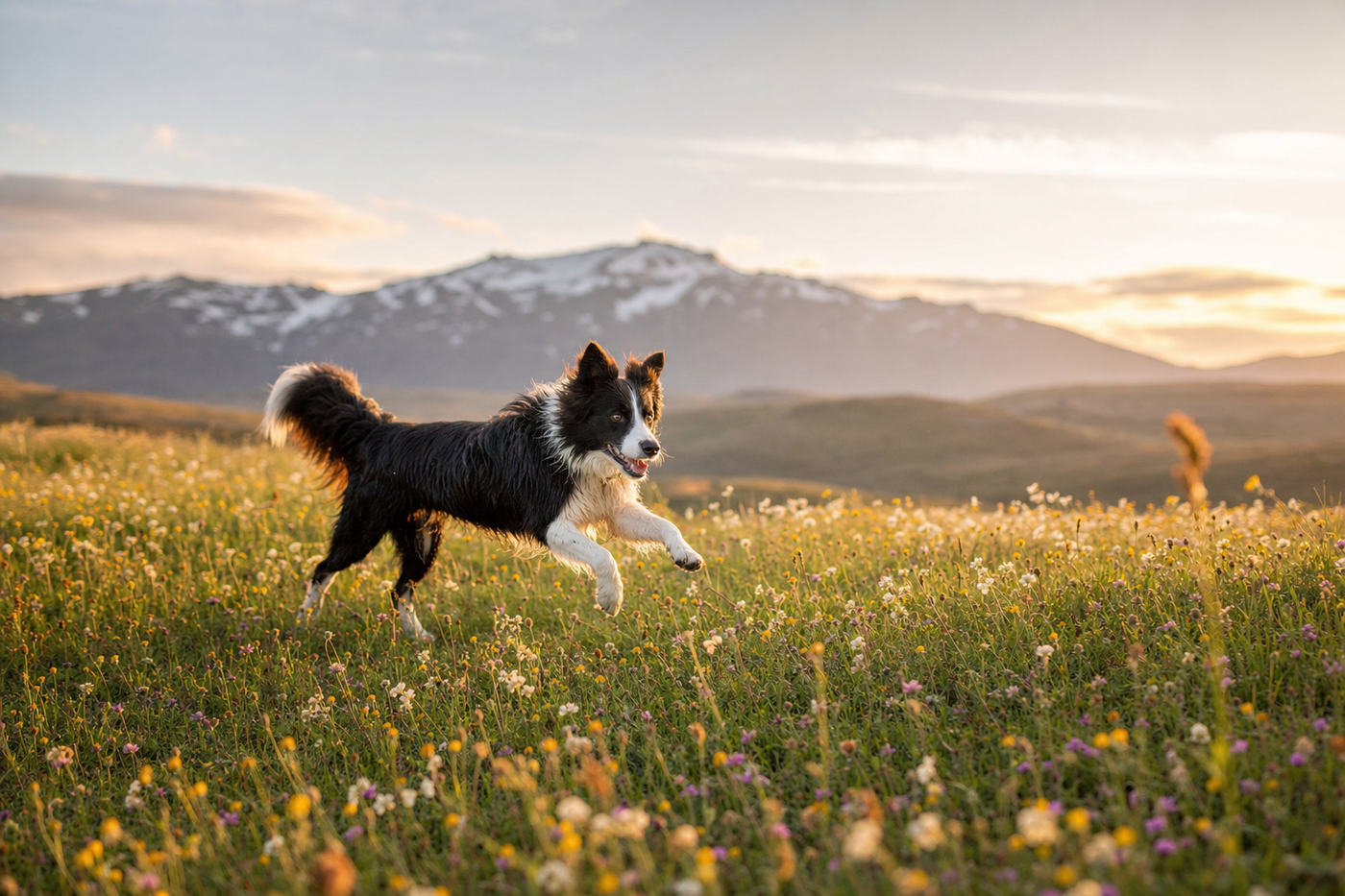
Snake activity peaks during spring wildflower season. Keep your dog on a short lead and move away slowly if you encounter any snake. Seek immediate veterinary care if your dog is bitten.
Paralysis ticks are active and potentially fatal during spring. Check your dog thoroughly every evening. Symptoms can develop suddenly 3 to 5 days after tick attachment. Remove ticks by gripping at the head and pulling straight out.
Why Spring is the Sweet Spot for Dog Travel
Spring transforms Australia's landscape into something you actually want to photograph. The wildflowers bloom across different regions from August through October, and the weather sits somewhere between freezing winter and unbearable summer heat. Your dog gets to experience new smells, textures, and environments without overheating or struggling through mud.
I took my kelpie, Pepper, to Western Australia in September last year, and she spent the entire drive with her nose pressed against the window once we hit the wildflower regions near Badgingarra. The temperatures hovered around 22 to 25 degrees Celsius, which meant she could walk for hours without panting heavily. Spring also means fewer tourists than summer, so you'll find quieter tracks and less crowded accommodation.
The main challenge is timing. Peak wildflower season differs between states. Victoria's golden bells typically peak in October, while Western Australia's blooms hit their stride in September. South Australia's Naracoorte Caves region shows colour from September onwards. Check your target region before booking.
Top Wildflower Destinations That Welcome Dogs
Badgingarra National Park in Western Australia sits about 70 kilometres north of Perth and lets dogs on leads throughout most of the park. The wildflower displays stretch across 6,300 hectares, and you can drive through certain sections if your dog struggles with long walks. The tracks range from easy 2-kilometre loops to challenging 8-kilometre hikes through banksia and wildflower corridors.
In Victoria, head to the Grampians National Park near Halls Gap. Dogs are welcome on most walking tracks, and the autumn wildflowers combine with dramatic rocky landscapes. The walk to Boroka Lookout covers 5.2 kilometres return and offers views across the ranges while wildflowers carpet the roadsides.
South Australia's Naracoorte Caves area becomes spectacular in spring, and the Naracoorte Caves National Park allows leashed dogs on certain trails. The limestone formations contrast beautifully with gold and purple wildflowers. Western Sydney's Blue Mountains also feature wild orchids and spring flowers from September, with numerous dog-friendly trails like the Prince Henry Walk near Leura.
Safety First: Snake, Tick, and Insect Awareness
Wildflower season coincides with warmer weather, which brings snakes out of hibernation. Keep your dog on a short lead in areas you haven't visited before. Snakes want to avoid you as much as you want to avoid them, but a dog running through long grass might startle one. Brown snakes and tiger snakes become active from September onwards across most of Australia. If you see a snake, simply back away slowly and let it move on.
Ticks explode in population during spring and early summer. Your dog's ears, between toes, and under the collar become tick hotspots. Check your dog thoroughly every evening after walking through bush or long grass. I found three ticks on Pepper after a single walk near Stirling Range in Western Australia, so this isn't paranoia. Paralysis ticks in particular cause serious harm, and some can kill a dog within days.
Insects like bull ants nest in spring wildflower areas. These ants deliver painful stings that make dogs yelp and potentially panic. Wasps and bees also become active. If your dog gets stung, move away from the area immediately and monitor for allergic reactions. Swelling around the face or difficulty breathing requires emergency vet care.
Gear we would pack
Some links below are affiliate links. Pawtrips may earn a commission at no extra cost to you.
Seresto Flea & Tick Collar for Large Dogs Over 8kgs
Spring tick season coincides exactly with wildflower season. This collar provides months of protection without monthly applications or subscriptions, making it ideal for travelling dogs. One collar covers the entire wildflower season.
Packing the Right Gear for Spring Wildflower Trips
Your car needs to carry more water than you think you'll need. Aim for 10 litres minimum, split between your drinking supply and a bowl for your dog. I learned this lesson the hard way after a two-hour walk near Badgingarra on a 24-degree day. Pepper drank nearly 4 litres, and my own water ran low by the time we reached the car. A collapsible bowl takes up almost no space and prevents your dog from drinking from potentially contaminated water sources.
Bring a basic first aid kit with tweezers, antiseptic cream, and bandages. Most pet first aid kits include everything needed for minor cuts, and you can grab one from any major supermarket or online retailer. Pack more food than your dog usually eats, especially if you're staying in rural areas where your favourite brand might not be available. A portable dog bed means your dog doesn't sleep on the cold ground if you're camping or staying somewhere rustic.
Sunscreen matters for dogs with pink noses or thin coats. Apply it to exposed areas before long walks. Bring a brush or comb to check for ticks daily. Wear light-coloured clothing yourself so you can spot ticks more easily on your clothes before bringing them inside your accommodation.
Collapsible travel water bowl
Spring walks in wildflower areas demand constant water access for your dog. This bowl takes up no space in your car or backpack and prevents your dog from drinking from potentially contaminated sources during long explorations.
Dog travel bed
Rural accommodation near wildflower regions often lacks comfortable dog sleeping areas. A portable travel bed keeps your dog off cold floors and makes unfamiliar accommodation feel more like home, reducing anxiety during spring trips.
Accommodation Tips for Dog and Owner Comfort
Pet-friendly accommodation during spring wildflower season books up weeks in advance. The towns closest to major wildflower areas, like Halls Gap in Victoria or Badgingarra's nearby towns, fill quickly from August onwards. Search specifically for 'pet-friendly accommodation' in your chosen region rather than assuming general hotels accept dogs. Some places charge extra for pets, typically between 15 and 30 dollars per night.
Cottages and farm stays often welcome dogs more readily than hotels. These options typically give your dog more space to move around safely. Check whether the property has secure fencing or whether you'll need to keep your dog on a lead at all times. Some owners specify that dogs must sleep in certain areas only, while others allow them on the furniture.
When you arrive, identify the nearest emergency veterinary clinic. Rural areas might have clinics open only certain days or hours. Phone ahead to confirm opening times and whether they're accepting new patients. Many remote areas require you to pre-register your dog before any emergency occurs. Having this information before you need it saves panic and delays if something goes wrong.
PAW by Blackmores Complete Calm Multivitamins for Dogs
New environments and increased activity during spring wildflower trips stress some dogs. These multivitamins with calming herbs support digestive health and stress management during travel, especially helpful if your dog experiences anxiety in unfamiliar situations.
Planning Your Daily Walking Routes
Start each day early, ideally between 7 and 8 am. This gets you walking before the temperature climbs significantly and gives you the quietest sections of popular trails. Wildflower areas attract day-trippers from nearby cities, so early walkers enjoy solitude and better photography light anyway. Your dog also benefits from cooler conditions and less chance of encountering other dogs if yours has socialisation issues.
Check walking track conditions before you go. Heavy rain turns some tracks into mud baths, which can be difficult for older dogs or breeds with short legs. The parks and wildlife websites for each region list track status, usually updated weekly. A 5-kilometre walk that takes you two hours with frequent photo stops differs enormously from a forced 5-kilometre march to 'get it done'. Slow pace lets your dog investigate smells and your own stress levels drop considerably.
Build rest days into your itinerary. A dog walking new terrain every day for a week becomes exhausted, even younger dogs. Alternate between active exploration days and quieter days where you visit town, explore pet-friendly cafes, or let your dog rest at your accommodation. This rhythm keeps your dog healthier and means you'll actually enjoy the trip instead of just surviving it.
What to Do If Your Dog Gets Injured or Unwell
Minor cuts and scrapes happen constantly when dogs explore rough bush tracks. Clean the wound with clean water, apply antiseptic cream, and monitor for signs of infection like swelling, redness spreading, or pus. Most minor injuries heal within a few days. However, if your dog limps severely, won't put weight on a limb, or shows signs of pain that worsen over hours, head to a vet immediately.
Snake bites require emergency veterinary care regardless of severity. Even dry bites, where no venom enters, need professional assessment because determining dry versus envenomated bites is impossible without vet expertise. Symptoms include sudden lameness, swelling, trembling, or collapse, but some can be subtle. If you suspect a bite, pick your dog up to limit movement and get to the nearest clinic immediately. Call ahead so they prepare antivenin if needed.
Tick paralysis can develop suddenly, sometimes 3 to 5 days after a tick attaches. Your dog might show weakness in back legs, loss of voice or bark, or inability to eat. Some dogs show no symptoms until paralysis is severe. Check your dog obsessively every evening after wildflower area walks. Remove any ticks with tweezers, gripping them at the head and pulling straight out. Don't twist or squeeze the body, as this can inject more toxins.
Pet first aid kit
Bush walking in remote wildflower areas means you're far from veterinary clinics. A dedicated pet first aid kit with tweezers, antiseptic, and bandages handles minor cuts, scrapes, and tick removal before small injuries become serious problems.
Making Memories While Respecting the Wildflowers
Your dog can enjoy wildflower regions without damaging them. Keep your dog on designated tracks and never let them trample flowering areas just for a photo opportunity. Some wildflower regions are fragile, and heavy foot traffic damages soil and root systems. Other visitors and future seasons depend on current visitors respecting these natural spaces.
Take photos of your dog among the flowers rather than picking flowers to pose with. Wildflowers look far better in their natural state anyway, and picking them reduces seed production for next year's display. Many parks have collection rules that make flower picking illegal, so check signage when you arrive.
Your dog becomes part of the experience rather than just something you're dragging along. Watch which smells fascinate Pepper in spring wildflower areas compared to urban walks. She investigates totally different plants and insects. This exploration provides mental stimulation that tires dogs far more effectively than pure physical exercise. A mentally engaged dog sleeps better, behaves better, and you genuinely enjoy the trip because you're not constantly managing a bored or frustrated animal.
Plus early access to new guides and partner deals.
No spam. Ever. Just the good stuff for you and your pet.