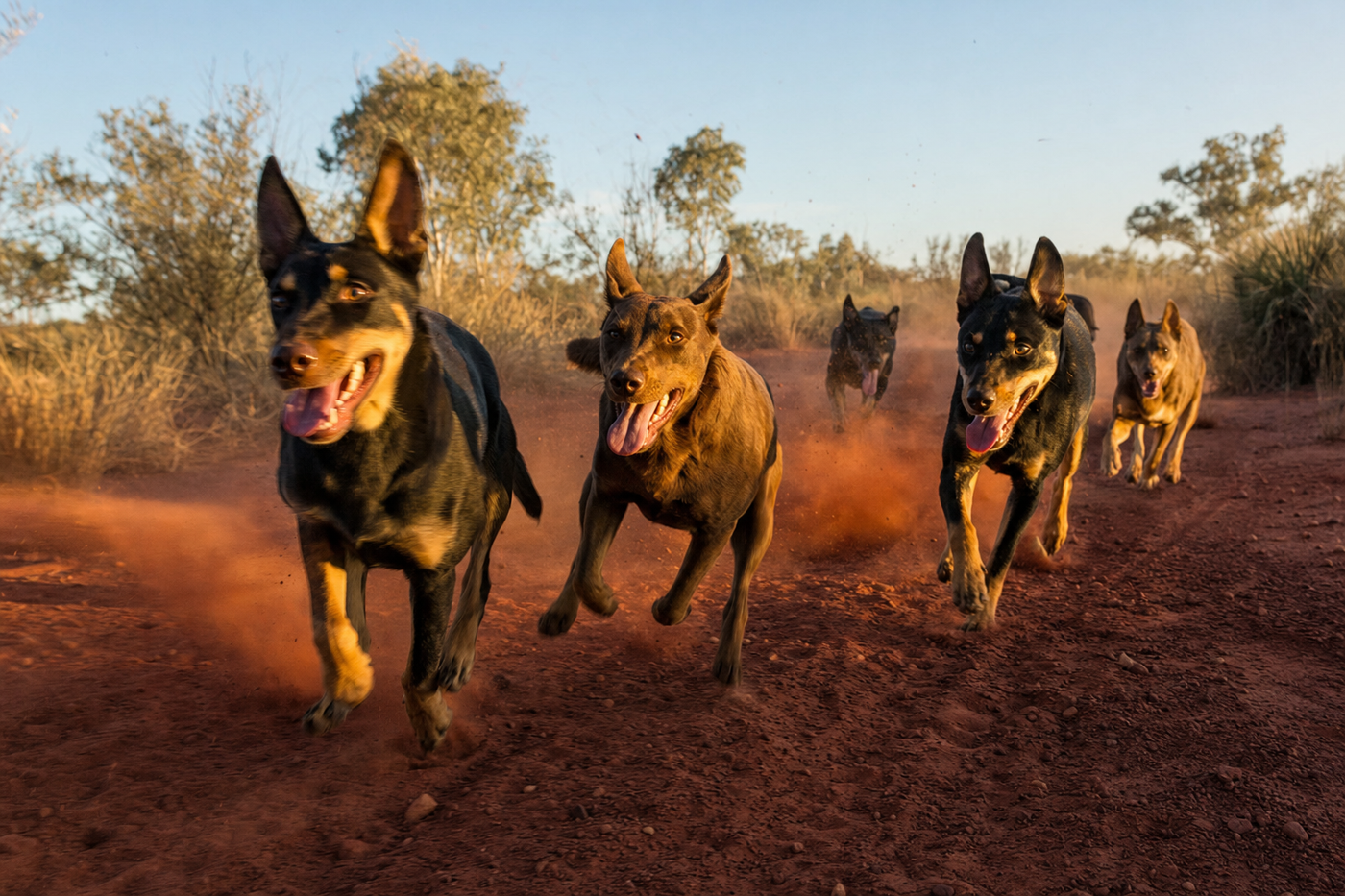
Heat stress kills dogs quickly. Never leave multiple dogs in a parked car in warm weather, even with windows open. Interior car temperatures can reach lethal levels within minutes.
Travelling with stressed or anxious dogs increases your risk of losing focus on the road. If your dogs are severely stressed in the car, postpone your trip and consult a vet or professional dog trainer before attempting long-distance travel.
Why Multiple Dogs Require Different Travel Planning
Travelling with one dog is manageable, but adding a second or third changes everything on the road. I learned this the hard way driving from Brisbane to the Gold Coast with two kelpies and a blue heeler. One dog gets anxious in the car, another wants to protect the third, and suddenly you have a chaotic situation that distracts you from driving safely. When you have multiple dogs, their personalities collide in confined spaces, and energy levels compound quickly. What works for managing a single dog's anxiety won't work when you're managing pack dynamics, different temperaments, and competing needs. Understanding how your dogs interact with each other in the car is the first step to a peaceful journey.
Assessing Your Dogs' Travel Temperaments Before You Go
Before you commit to a multi-day road trip, take short test drives with all your dogs together. I spent a weekend taking my three dogs on 30-minute trips around local parks to see who got car sick, who got aggressive, and who simply slept. This told me that my heeler needed a calming supplement, my kelpie needed constant entertainment, and the third dog was fine with a blanket and water bowl. Talk to your vet about any dogs that show signs of severe anxiety, motion sickness, or aggression in the car. Your vet might recommend supplements, medications, or behaviour strategies weeks before your trip. Knowing these details in advance means you can adjust your travel plan rather than having a crisis 200 kilometres into your journey.
Gear we would pack
Some links below are affiliate links. Pawtrips may earn a commission at no extra cost to you.

Mini GPS Tracker for Cats - Real-Time Location
Tracking your cat eases the stress of travelling together.

Dog Car Booster Seat for Safe Travel
This car seat offers small dogs a safe and comfortable way to travel.

Internal Knotted Dog Toy for Less Mess
Durable design means less mess when travelling with your pet.

Dog Dental Spray with Fresh Breath Benefits
Fresh breath is important when travelling with your dog.
Setting Up Your Vehicle for Safe Multi-Dog Travel
Your car is now a moving home for multiple animals, so setup matters deeply. I installed a dog barrier behind the back seats of my wagon to stop my dogs launching into the front cabin when I brake. Each dog got their own travel bed along the rear, so they had defined spaces and felt less threatened by each other. You want each dog to have roughly one metre of space if possible, because cramped conditions increase tension and accidents. Use harnesses or seat belt attachments rated for dogs, never just hope your dogs stay put. Your barrier should be sturdy enough to take impact from a 30-kilogram dog jumping at it, not something flimsy from a discount store. Keep the car well ventilated with air conditioning or open windows, and never leave dogs unattended inside a parked car in warm weather.
Planning Your Route Around Your Dogs' Needs
A route that works for humans driving solo is wrong for driving with multiple dogs. Instead of pushing for eight-hour days, I now plan routes with stops every 90 to 120 minutes. This means breaking up a Sydney to Melbourne trip across three days with overnight stops in places like Goulburn and Canberra. Research pet-friendly rest areas and town parks where your dogs can safely exercise and toilet. Download a map of these spots before you leave, because mobile service drops out in rural areas and you won't want to fumble with your phone while managing multiple leashed dogs. Factor in time for feeding, medication if needed, and settling your dogs before you drive again. A slower route keeps everyone calmer and safer than racing to your destination.
Feeding, Hydration, and Health Management on the Road
Multiple dogs need consistent feeding schedules even when travelling, so pack enough of their regular food to last your entire trip plus two extra days. Switching dogs' diets while travelling causes digestive upset and adds stress to an already demanding situation. Bring collapsible bowls so you can offer water at every stop, not just when you reach accommodation. I learned that one of my dogs gets dehydrated quickly in the car's climate control, so I now offer water every 60 to 90 minutes regardless of how far we've travelled. Keep any medications organised in separate containers labelled with each dog's name and dosage instructions. Pack your vet's contact details and research veterinary clinics along your route in case of emergency. Take photos of each dog before you leave home so you have recent images if a dog goes missing.
Managing Conflict and Stress Between Your Dogs
When dogs are confined together in a car, minor tensions become major conflicts fast. I once had my two kelpies snap at each other over a toy on a 45-minute drive, which escalated because they had nowhere to escape. Now I keep toys and chew items separated and only give them to individual dogs when the car is parked. Watch your dogs' body language carefully at stops and during travel, looking for stiff postures, raised hackles, or avoidance behaviours that signal mounting stress. If two dogs are struggling to coexist in the car, consider crating them separately instead of loose travel beds. Some dogs need complete separation to feel safe, and that's okay. Give each dog their own quiet space and stick to established routines so they know what to expect at each stop.
Finding Accommodation That Actually Welcomes Multiple Dogs
Many places say they're dog-friendly but really mean they tolerate one small dog, not three. Call ahead and specifically mention you're travelling with multiple dogs, their sizes, and their temperaments. I spent an evening at a caravan park near Dubbo that claimed to welcome dogs but had no grassed areas and banned outdoor dog access after 7pm, making it impossible to exercise three dogs properly. Use Pawtrips to find genuinely multi-dog friendly places that have securely fenced areas, water bowls, and staff who understand pack dynamics. Book accommodation with doors that open directly outside so you can take dogs out quickly without navigating shared hallways. Ask if the venue has experience with multiple dogs and what their policies are on barking, exercise areas, and indoor time. Arrive early so your dogs can settle and burn off travel energy before nightfall.
Creating a Routine That Keeps Everyone Calm
Dogs thrive on routine, and travelling with multiple dogs means your routine becomes your anchor point. I wake up at the same time, feed my dogs at the same time, and walk them before getting in the car. This consistency means my dogs know what to expect, which reduces anxiety and unpredictable behaviour. When you arrive at accommodation, repeat the same settling ritual: water, toileting break, a short walk, then a rest period before dinner. Pack familiar items like their own blankets or beds so your accommodation smells somewhat like home. Spend time playing with your dogs at rest stops so they burn energy and feel exercised, not just relieved to be out of the car. A calm dog is a well-exercised dog, so prioritise movement and mental stimulation at every stop.
Plus early access to new guides and partner deals.
No spam. Ever. Just the good stuff for you and your pet.