Cars heat up dangerously fast in Australian heat. Never leave your pet or child unattended in a parked vehicle, even with windows cracked, as temperatures can become fatal within minutes.
Keep a close eye on your dog for signs of heatstroke during travel and stops, especially during summer months. Watch for excessive panting, drooling, lethargy, or reluctance to move, and seek immediate veterinary care if these appear.
Why Kids and Pets Need Different Preparation Than Solo Travel
Travelling with kids and a dog means you're managing three different sets of needs at once. Your dog needs exercise, bathroom breaks, and familiar routines. Your children need entertainment, snacks, and reassurance when anxious. You need to keep everyone safe and moving in the same direction.
I learned this the hard way on a trip from Brisbane to Cairns with two kids and our golden retriever Max. Max got car sick because we started driving after he ate breakfast. The kids fought about who got the window seat. We arrived at our accommodation four hours later than planned and everyone was miserable.
The key difference is that both kids and pets need active management during travel, not just accommodation. You can't just buckle everyone in and drive for seven hours straight. Your pet needs bathroom breaks every couple of hours. Your kids need to move around and burn energy. Building these stops into your plan means you'll actually enjoy the trip instead of just surviving it.
Breaking Up Long Drives Into Manageable Chunks
A journey that looks like five hours on Google Maps will take eight hours with kids and a pet. Plan for stops every 90 minutes to two hours, depending on your dog's bladder and your children's attention spans. Use these stops for toilet breaks, water, stretching legs, and burning off energy.
On our Gold Coast to Brisbane trip last year, we mapped out stops at Coomera services and a dog-friendly park near Beenleigh. The kids ran around for 15 minutes while Max had a toilet break and a drink. Everyone got back in the car happier and calmer. That one stop made the difference between a tense drive and one where everyone arrived in decent spirits.
Choose stops where your dog can actually exercise, not just stand on a service station forecourt. A 10-minute walk or a 15-minute play session burns off genuine energy. Your kids also benefit from moving their bodies instead of sitting still. Google Maps lets you find parks along your route before you leave. Apps like BringFido help you spot pet-friendly rest areas across Australia.
Gear we would pack
Some links below are affiliate links. Pawtrips may earn a commission at no extra cost to you.
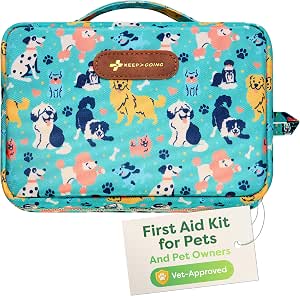
Dog First Aid Kit for Travel Emergencies
It's important to prepare for unforeseeable situations while travelling.

Dog Ear Muffs for Noise Protection
These ear muffs help keep your pet calm in noisy environments during travel.

Reduce Shedding with FURminator Conditioner
A well-groomed coat means less mess in your travel space.

Mini GPS Tracker for Cats - Real-Time Location
Tracking your cat eases the stress of travelling together.
Choosing Pet-Friendly Accommodation That Works for Families
Not all pet-friendly places welcome both pets and children equally. Some holiday parks allow dogs but charge extra per night. Some beach houses have outdoor areas but no shaded spots for a dog during the day. Some cabins have carpet that shows every speck of dirt your dog tracks in.
When booking, ask specific questions. Does the property have a secure outdoor area where your dog can be safely unsupervised for short periods. Are there shade structures for hot days. What's the cancellation policy if your dog gets ill. How close is the nearest vet. These details matter when you're locked into a two-week booking.
On the south coast near Merimbula, we stayed at a caravan park that advertised itself as pet-friendly but had zero shade in the dog area. We ended up creating makeshift shade with beach umbrellas and towels. The next year we picked a different property with large trees and an enclosed dog run. That small difference meant Max stayed cool and happy instead of stressed. Read recent reviews mentioning dogs and kids specifically, not just general ratings.
Managing Meal Times and Feeding Schedules on the Road
Feeding your dog at unfamiliar times disrupts their digestion and routine. Your children also perform better when they eat at regular intervals instead of snacking constantly throughout the drive. Stick to your normal feeding times even if it means stopping at a small town instead of a major city.
I started feeding Max the night before our trip and then not again until we reached our destination. This backfired when he was anxious and hungry after eight hours in the car. Now we feed him at his normal breakfast time before leaving, then stop for his dinner at his usual time. This means our drive schedule revolves around our dog's feeding routine, which sounds backwards but actually works better.
Pack enough of your dog's regular food for the entire trip plus extras. Pet stores might not stock your brand in regional areas. Bringing bowls from home helps your dog feel more settled. A collapsible travel bowl takes minimal space and fits in your car door. For kids, pack snacks they already like instead of trying new things on the road. Hungry and bored kids become difficult kids very quickly.
Keeping Your Dog Calm and Secure During Long Drives
A stressed dog in a car affects the entire journey. Some dogs pace, whine, or try to climb into the front seat. Others get car sick or anxious about motion. Your pet's stress becomes your stress, which affects your ability to manage your kids.
Max used to shake and whine for the first hour of any drive. We solved this by putting him in a secure barrier in the back seat with familiar blankets and a couple of his toys. The barrier keeps him safe if you brake suddenly. It also prevents him from distracting you while you're driving. We leave the barrier open before the drive so he gets used to it at home.
Exercise your dog well before leaving. A tired dog is a calm dog. Take Max for a long walk and a play session at least an hour before we depart. He sleeps most of the drive instead of pacing. Some dogs benefit from calming supplements or treats designed for travel anxiety. Talk to your vet about what might help your specific dog. Never sedate your pet without veterinary advice.
Entertaining Kids Without Screens for Every Kilometre
Screen time is the easiest solution for bored kids, but eight hours of screens leaves everyone wired and grumpy. Pack a mix of activities that rotate throughout the drive so nothing gets stale. Audiobooks work brilliantly because both kids and adults enjoy them, and no screen is involved.
Our kids listen to the Percy Jackson series or Wings of Fire books during drives. These keep them engaged for hours. We also pack activity books, travel games designed for cars, and a bag of special toys they only see on road trips. Novelty matters. A toy they've seen a thousand times at home feels exciting when it's new on a drive.
Let kids participate in navigation and spotting landmarks. Tell them to watch for a certain type of vehicle or bird. Ask them to read road signs aloud. This keeps their brains engaged with the actual journey instead of just passing time. We play games like licence plate spotting or counting red cars. These sound silly but they genuinely work, and kids remember the trip better when they're actively involved.
Handling Toileting, Accidents, and Mess on the Road
Your dog will need bathroom breaks. Your kids will need bathrooms. These won't always align with convenient service stations. Prepare for the reality that accidents happen, especially with young children and anxious dogs.
Bring puppy pads for your dog even if they're housetrained. Motion sickness happens. Car travel stresses some dogs' digestive systems. Having pads in the car means a small accident doesn't derail your trip. We keep a roll of paper towels, wet wipes, and enzyme-based cleaner in the car specifically for this reason. It's not pleasant to use them, but they solve problems quickly.
For kids, pack a portable toilet seat if you have young children. Many rest stop toilets are too high or scary for small kids. A portable seat fits in your bag and makes toileting stops faster and less traumatic. Bring wet wipes, hand sanitiser, and change clothes for both kids and your dog. A clean change of clothes for your dog helps if they get wet or muddy during a stop. These practical items mean messes don't escalate into full drama.
Emergency Planning and When to Postpone Your Trip
Know where the nearest vet clinics are along your entire route before you leave. Research 24-hour emergency vet services in larger towns. Keep your dog's vaccination records and microchip information easily accessible. Your kids might get sick or injured too, so know where the nearest hospital or urgent care centre is.
Some situations call for postponing a trip. If your dog is recovering from surgery or illness, waiting a few weeks makes the journey safer and easier. If your child has a contagious illness, travelling exposes other families and your dog to it. If extreme heat is forecasted, a long drive in a hot car stresses your dog dangerously. These delays frustrate your plans but protect your family's health.
We postponed a planned trip to Byron Bay by two weeks when Max developed an ear infection mid-July. Driving him seven hours while in pain was pointless. Delaying gave us time for antibiotics to work and for him to recover. He travelled much better two weeks later. Sometimes flexibility matters more than sticking to your original dates. Your family's wellbeing comes before your travel schedule.
Plus early access to new guides and partner deals.
No spam. Ever. Just the good stuff for you and your pet.