Is your cat a traveller
This is the most important question. Cats are territorial animals bonded to their environment more than to their people. A stressed cat in an unfamiliar space hides, stops eating, and develops health issues. The RSPCA's honest position is that for trips shorter than a month, most cats are better served by a good pet sitter at home. This is not being overcautious. It reflects what cats actually are. The cats that travel well are those introduced to car travel as kittens, those with genuinely confident and curious temperaments, or those that have travelled successfully before. If yours fits this description, this guide is for you.
Cat curfew laws in Australia
This surprises many cat owners. Most Australian councils have cat curfew laws requiring cats to be contained between dusk and dawn. Some councils have 24-hour containment requirements. When travelling interstate with a cat you are responsible for complying with the curfew laws of wherever you are staying. This means confirming accommodation is genuinely escape-proof and keeping your cat inside at night regardless of what the property offers. A cat that escapes in an unfamiliar environment at night is extremely difficult to recover.
Gear we would pack
Some links below are affiliate links. Pawtrips may earn a commission at no extra cost to you.
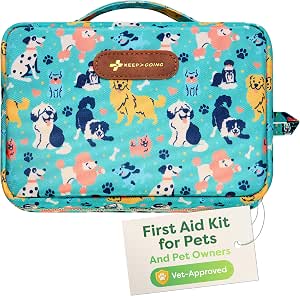
Dog First Aid Kit for Travel Emergencies
It's important to prepare for unforeseeable situations while travelling.

Dog Ear Muffs for Noise Protection
These ear muffs help keep your pet calm in noisy environments during travel.

Reduce Shedding with FURminator Conditioner
A well-groomed coat means less mess in your travel space.

Mini GPS Tracker for Cats - Real-Time Location
Tracking your cat eases the stress of travelling together.
Car travel with cats
Cats must travel in a secure carrier. This is both law and safety. Line the carrier with familiar bedding with your scent on it. Feed a light meal two to three hours before travel, not immediately before. Most cats verbalise their displeasure for the first twenty to thirty minutes of a journey and then settle. A cat that remains in visible distress for an entire journey is not suited to travel. Stop every two to three hours. Offer water and allow litter tray access in the car with doors closed.
Tick prevention for cats
This is critical and different from dogs. Many dog tick prevention products are toxic to cats. Never use a dog tick prevention product on a cat. Discuss the right tick prevention product for your specific cat with your vet before any trip through coastal bushland in eastern Australia. The risk is genuine and the product selection requires veterinary guidance.
Finding cat-friendly accommodation
Significantly fewer properties accept cats than dogs. The search requires more specific communication. Ask whether the space is escape-proof, whether the cat can be inside with you, and whether the host genuinely welcomes cats rather than just tolerating them. Self-contained houses are significantly better for cats than hotel rooms. More space, easier to cat-proof, and no shared facilities where escape risk multiplies.
Travelling with a cat requires more honest assessment than travelling with a dog. When it works it is genuinely rewarding. Write to us at hello@pawtrips.com.au with your cat travel tips.
hello@pawtrips.com.auPlus early access to new guides and partner deals.
No spam. Ever. Just the good stuff for you and your pet.