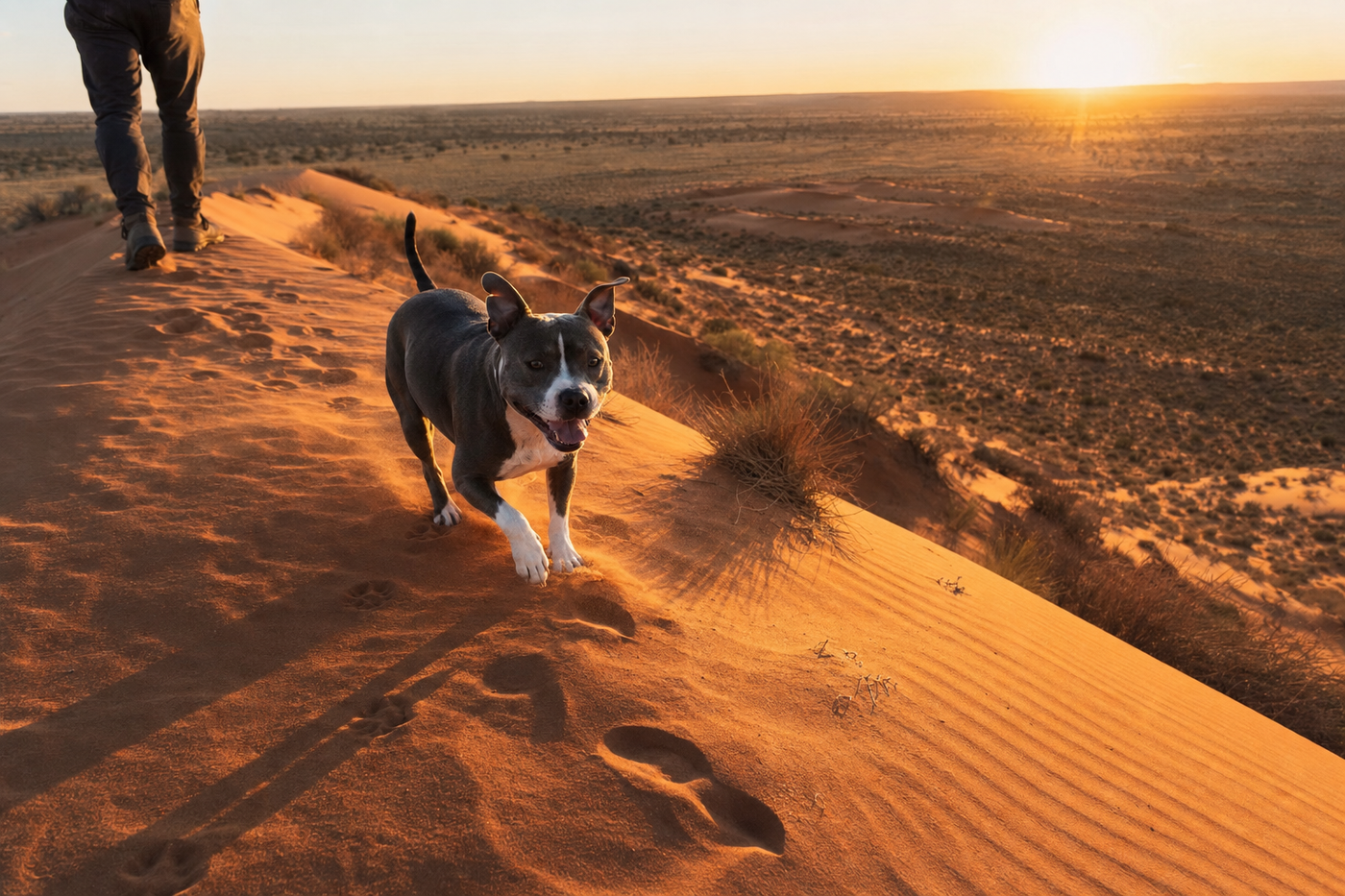
The rescue dog travel reality
Rescue dogs come with histories that are often unknown or incompletely known. That history shapes how they respond to new environments, unfamiliar people, other animals, and the stress of travel in ways that can be difficult to predict. This does not make travel with a rescue dog impossible. It makes it different. The difference is mostly about patience, preparation, and being willing to adjust your plans around your dog rather than expecting your dog to adjust around your plans. The reward for getting this right is enormous. A rescue dog that learns to trust the world through carefully managed positive travel experiences builds confidence that transfers to every part of their life.
Before you travel: the honest assessment
How long have you had your rescue dog and how well do you know their triggers? This is the most important question. A rescue dog that has been with you for six months and has clear, known triggers is significantly more manageable on the road than one you have had for six weeks and are still learning. There is no rule about how long you need to wait before travelling with a rescue dog. The relevant question is whether you know them well enough to keep them safe and comfortable. If your rescue dog has significant fear responses, aggression triggers, or separation anxiety that is not yet managed, work on those at home before a long road trip. Travel amplifies existing issues. It is not a cure for them.
Gear we would pack
Some links below are affiliate links. Pawtrips may earn a commission at no extra cost to you.

Dog First Aid Kit for Travel Emergencies
It's important to prepare for unforeseeable situations while travelling.

Dog Ear Muffs for Noise Protection
These ear muffs help keep your pet calm in noisy environments during travel.

Reduce Shedding with FURminator Conditioner
A well-groomed coat means less mess in your travel space.

Mini GPS Tracker for Cats - Real-Time Location
Tracking your cat eases the stress of travelling together.
The escape risk
This is the practical safety issue specific to rescue dogs that owners underestimate. A rescue dog in a new or frightening environment has a higher flight risk than a dog that grew up with you. A sudden noise, an unexpected person, or a confusing situation can trigger a flight response that gets through gates, under fences, or out of car doors before you have a chance to respond. Double-check every gate and fence at accommodation before letting your rescue dog off leash. Use a harness rather than a collar, dogs can back out of collars when frightened. Consider a GPS tracker if your rescue dog has a flight history. Never trust a new environment with an off-leash rescue dog until you have thoroughly assessed it.
Building confidence through travel
The right approach to rescue dog travel is progressive exposure to positive experiences. Start with short trips to familiar-feeling environments. A quiet beach before a busy one. A relaxed country town before a busy tourist destination. Each successful positive experience builds the confidence that makes the next one more manageable. A rescue dog that handles a short overnight trip well is ready for a longer one. One that handles a quiet beach is ready for a busier one. Celebrate small wins genuinely. A rescue dog exploring a new environment with a tail up is achieving something real. Acknowledge it.
Best destinations for rescue dogs
Quiet, low-stimulation destinations in the early stages of building travel confidence. Hahndorf in South Australia with its flat walkable main street and relaxed pace. Country towns with manageable scale and low traffic. Self-contained farm stays with secure outdoor areas where the dog can explore at their own pace. Avoid busy tourist destinations, crowded beaches, and high-stimulation environments until your rescue dog has shown you they can handle progressively more demanding situations. The Mornington Peninsula bay beaches in quieter periods are excellent for rescue dogs. Calm shallow water, less crowded than surf beaches, and good accommodation options with enclosed yards.
Travelling with a rescue dog is one of the most rewarding things you can do together. The progress you see on the road compounds into confidence that changes their whole life. Write to us at hello@pawtrips.com.au with your rescue dog travel stories.
hello@pawtrips.com.auPlus early access to new guides and partner deals.
No spam. Ever. Just the good stuff for you and your pet.