The honest conversation first
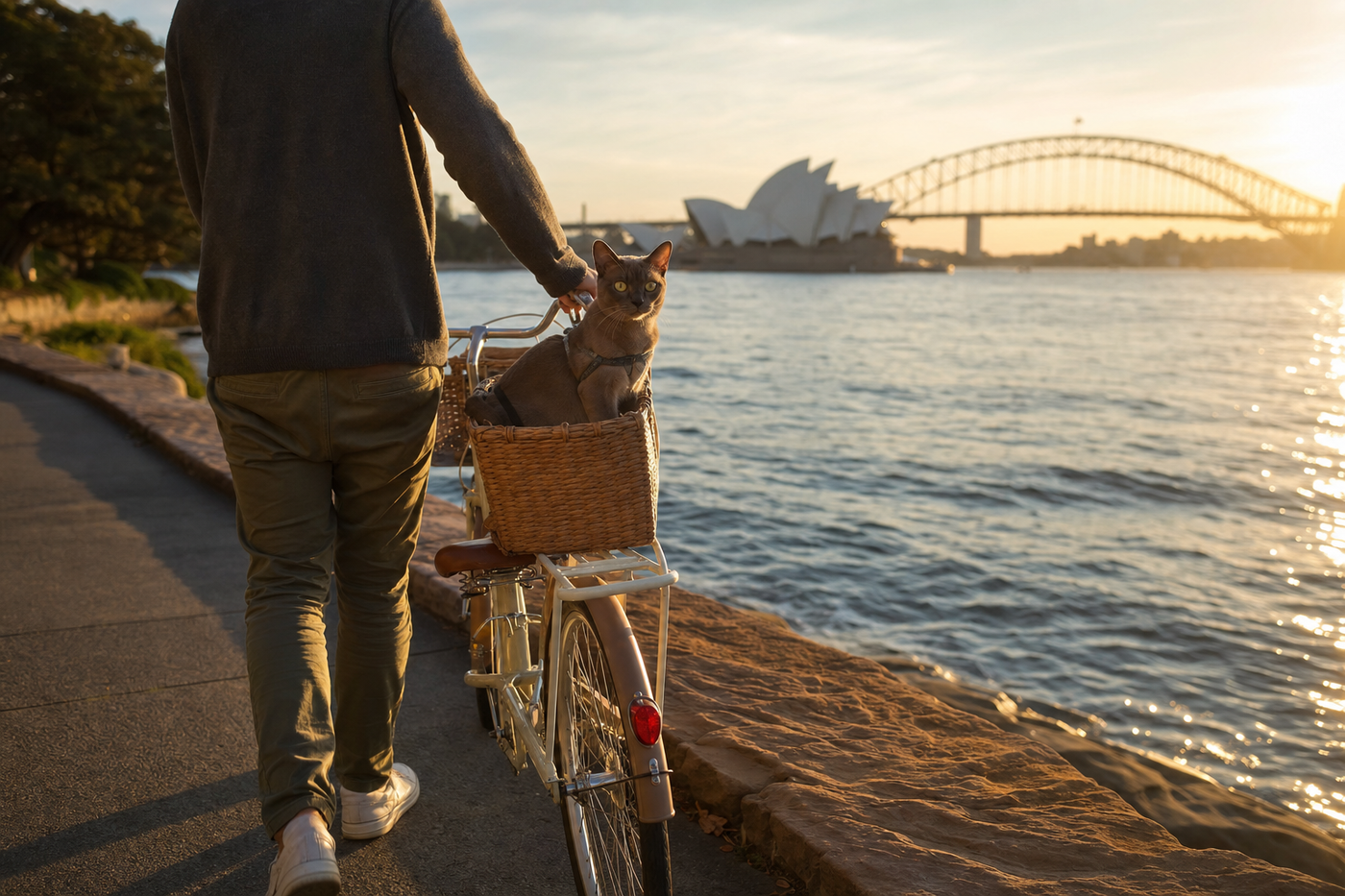
Cats are not dogs. This sounds obvious but it shapes everything about travelling with them. Dogs are social, adaptable, and generally find new environments interesting. Most dogs can travel well with some preparation. Cats are territorial. They are bonded to their environment more than to their people. A cat in an unfamiliar space is a stressed cat. A stressed cat hides, stops eating, develops urinary issues, and makes both your holiday and theirs miserable. The RSPCA's honest advice for trips shorter than one month is to leave your cat at home with a pet sitter. This is not being overly cautious. It reflects what cats actually are and what they actually need. That said, some cats do travel well. Cats that have been car trained from kittenhood, that have travelled before, or that have genuinely relaxed temperaments can manage road trips reasonably well. If your cat fits this description this guide is for you. If you are not sure, start with a short overnight trip before committing to a longer journey.
Cat curfew laws in Australia
This is something many cat owners are not aware of before travelling interstate. Most Australian councils have cat curfew laws requiring cats to be inside between dusk and dawn. Some councils have 24-hour containment requirements. These laws exist to protect native wildlife, which cats hunt with devastating effectiveness. When travelling with a cat in Australia you are responsible for complying with the curfew laws of wherever you are staying. This means your cat cannot be allowed outside at night regardless of what the accommodation offers. It also means you need to ensure the accommodation is genuinely escape-proof because a cat that gets out at night in an unfamiliar environment is very difficult to recover. Confirm with every accommodation property whether the room or property is secure enough to contain a cat safely.
Gear we would pack
Some links below are affiliate links. Pawtrips may earn a commission at no extra cost to you.
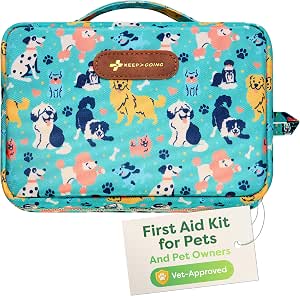
Dog First Aid Kit for Travel Emergencies
It's important to prepare for unforeseeable situations while travelling.

Dog Ear Muffs for Noise Protection
These ear muffs help keep your pet calm in noisy environments during travel.

Reduce Shedding with FURminator Conditioner
A well-groomed coat means less mess in your travel space.

Mini GPS Tracker for Cats - Real-Time Location
Tracking your cat eases the stress of travelling together.
Car travel with cats
Cats must travel in a secure carrier in the car at all times. This is both a safety requirement and the law. An unrestrained cat in a moving vehicle is dangerous for the driver and dangerous for the cat. The carrier should be large enough for the cat to stand, turn around, and lie down. It should be secured so it cannot slide or tip. Line it with familiar bedding. A used t-shirt or blanket with your scent in the carrier significantly reduces travel anxiety. Most cats will verbalise their displeasure for the first part of any car journey. This typically settles after twenty to thirty minutes. If your cat does not settle and remains in visible distress throughout a journey, they are not a cat that should be travelling. Feed your cat a light meal two to three hours before a long drive, not immediately before. Car sickness is common in cats and an empty-ish stomach reduces the severity. Stop every two to three hours. Offer water and allow the cat to use a litter tray in the car with the doors closed before moving on.
Accommodation for travelling cats
Significantly fewer accommodation properties accept cats than dogs. The search for cat-friendly accommodation requires more planning and more direct communication with properties. Key questions to ask every property: Is the space secure enough that a cat cannot escape? Are there gaps under doors, open windows without fly screens, or other escape routes? Is the property genuinely cat-welcoming or just technically permitting cats? Self-contained cottages and houses are significantly better for cats than hotels or motel rooms. More space, more places to settle, and easier to cat-proof. Some upmarket hotels genuinely cater for cats. The Langham hotels in Sydney and Melbourne have cat amenity packages. W Hotels across Sydney, Melbourne, and Brisbane include litter boxes in their pet amenity setup. These are genuinely good options if the budget allows. Always notify the property in advance that you are bringing a cat and confirm they are genuinely prepared for a feline guest rather than just ticking a box.
Health and safety on the road
Paralysis ticks are a serious risk for cats travelling through bushland areas of eastern Australia, particularly Queensland and coastal NSW. Tick prevention for cats uses different products than for dogs and some dog tick treatments are toxic to cats. Confirm the right prevention product for your cat with your vet before any trip through tick country. Cats are also susceptible to heat stress, snake bites, and interactions with Australian wildlife that can be dangerous. Keep your cat indoors and in the carrier whenever you are moving. Never allow your cat to roam in unfamiliar outdoor environments. Keep your vet's contact details and the number of an emergency vet at each overnight stop accessible at all times.
Pawtrips is built around dogs but we know plenty of cat owners who travel too. If you have found cat-friendly accommodation in Australia that genuinely gets it right write to us at hello@pawtrips.com.au. We want to hear about it.
hello@pawtrips.com.auPlus early access to new guides and partner deals.
No spam. Ever. Just the good stuff for you and your pet.