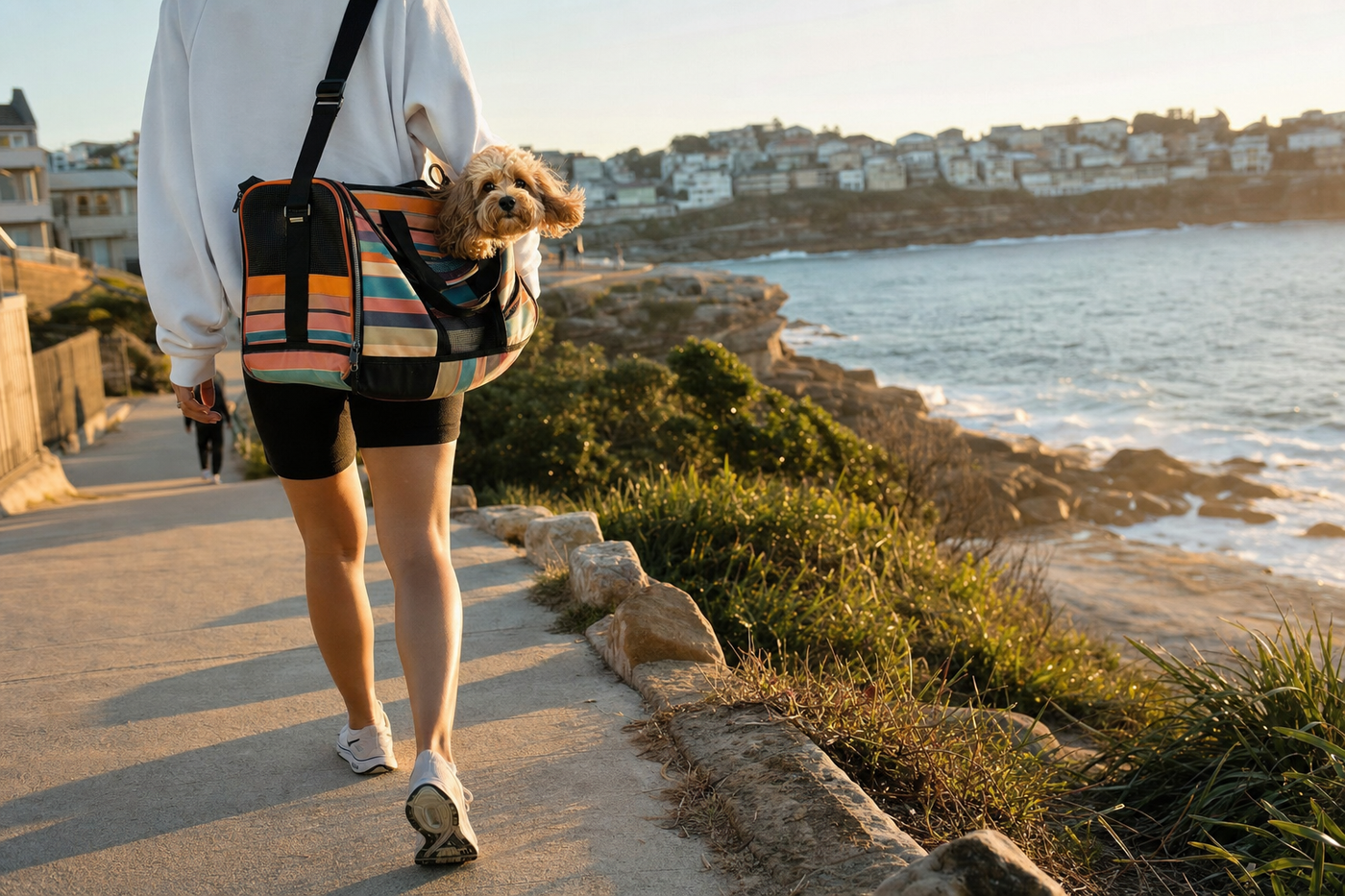
Never leave your small dog unattended inside a carrier during hot Australian days: temperatures inside a parked car can reach dangerous levels within 15 minutes, even with windows cracked open.
Always secure the carrier to your vehicle with seatbelts or proper restraints: unsecured carriers become projectiles during sudden stops or accidents, causing severe injury or death to your dog.
Why Your Small Dog Needs a Proper Carrier
I learned the hard way that tossing your small dog loose in the car or on a plane is dangerous and stressful for everyone involved. Small breeds like Chihuahuas, Maltese terriers, and Pomeranians weigh between 2 and 5 kilograms, making them vulnerable to injuries during sudden stops or turbulence. A good carrier gives your dog a secure den-like space where they feel protected, which calms anxiety during travel.
When I drove from Brisbane to the Gold Coast with my Cavalier King Charles Spaniel in 2022, she slid across the back seat on the Pacific Motorway and injured her paw. That single incident convinced me to invest in proper containment. Your vet will tell you the same thing: restraint systems save lives. Beyond safety, carriers prevent your dog from distracting you while driving, which is legal in every Australian state.
Hard-Sided Carriers for Air Travel
Hard-sided carriers are the go-to choice for flying because they meet IATA (International Air Transport Association) standards that Australian airlines enforce. Qantas, Virgin Australia, and Jetstar all require carriers to meet specific dimensions: typically around 46 centimetres long, 27 centimetres wide, and 30 centimetres high for small breeds. These carriers have solid plastic or metal construction with secure latches and ventilation holes on multiple sides.
The advantage of hard-sided models is durability and ease of cleaning. I travelled from Sydney to Perth last year with my Pug in a hard carrier, and it protected him through the baggage system completely. The solid walls also muffle airport noise, which helps anxious dogs stay calm. Hard carriers cost between 60 and 150 dollars depending on brand and quality. Look for models with removable, washable pads inside. The weight of the carrier itself matters too: you want something light enough to carry one-handed through an airport but sturdy enough to protect your dog.
Gear we would pack
Some links below are affiliate links. Pawtrips may earn a commission at no extra cost to you.
Small dog carrier airline approved
Browse a range of IATA-compliant carriers that meet Australian airline standards for Qantas, Virgin, and Jetstar flights. These hard and soft-sided options are specifically designed to pass security checks while keeping your small breed safe and comfortable during air travel.
Soft-Sided Carriers for Everyday Outings
Soft-sided carriers collapse down small and weigh far less than hard alternatives, making them perfect for day trips around Australia. Most of these have mesh panels on all sides, giving your dog excellent visibility and airflow. They're ideal when you're travelling by car within regional areas or visiting friends in the suburbs where you need to carry your dog inside buildings.
I use a soft carrier when visiting Melbourne's Queen Victoria Market or walking through Taronga Zoo in Sydney. Your small dog can peek out, see what's happening, and stay cool in the Australian heat. These carriers range from 30 to 80 dollars. The main drawback is they won't pass airline safety standards, so they're unsuitable for flights. The mesh material also gets dirtier faster, requiring more frequent washing. However, soft carriers are brilliant for hiking because many double as backpacks, keeping your hands free while you manage trails. Choose one with padded straps if you're carrying your dog for more than 20 minutes.
Backpack Carriers for Hands-Free Hiking
Backpack carriers combine convenience with comfort for adventure-loving dog owners who want to explore Australian trails without holding their pet. Your dog sits in a compartment on your back, looking over your shoulder while you hike, climb, or explore. Breeds under 5 kilograms fit comfortably in these designs. I took my Shih Tzu in a backpack carrier up to Wentworth Falls in the Blue Mountains, and she loved watching the scenery without tiring her short legs.
These carriers have padded shoulder straps, ventilation mesh, and storage pockets for treats and waste bags. They cost between 40 and 120 dollars. The main consideration is weight distribution: make sure the straps support the load evenly, otherwise you'll strain your back on long hikes. Test the fit with your dog inside before committing to a full day out. The best models have quick-release openings so you can let your dog down for short breaks without struggling with zips. Many also include pockets specifically for water bottles, useful when you're hiking for several hours in the heat.
Dog carrier backpack
Perfect for hiking and exploring Australian trails with your small dog secured on your back. These backpack carriers offer ventilation, padded straps, and storage pockets, letting you keep both hands free while your pup enjoys the adventure.
Car Booster Seats for Safe Driving
A car booster seat keeps your small dog secure while elevating them to window level, which most dogs prefer. These seats attach to your vehicle's seatbelt and hold dogs up to 8 kilograms. Unlike loose carriers, booster seats are specifically designed to absorb impact and protect your dog during accidents or sudden braking. I installed a booster seat in my Honda CR-V and my French Bulldog immediately felt more confident on car journeys around Sydney.
Booster seats cost between 50 and 110 dollars and come in various fabrics and colours. Look for models with non-slip bases so the seat doesn't slide during cornering. Machine-washable covers are essential because dogs shed and the seat gets dirty quickly. The seat should have sturdy attachment points for the seatbelt system: never rely on just placing the seat on the chair without proper securing. Some models include side walls to prevent your dog from sliding sideways. Test the booster seat on a short 10-minute drive before attempting longer journeys like the drive from Canberra to the coast.
Dog booster car seat small
Elevate your small dog to window level while keeping them securely restrained during car journeys. These booster seats attach to seatbelts and absorb impact, making them essential for safe driving around Australian cities and regional areas.
Ventilation and Temperature Control
Australian summers are genuinely hot, and small dogs overheat quickly because they have less surface area for heat dissipation. When choosing a carrier, prioritise models with multiple mesh panels and breathable fabric. Hard-sided carriers should have ventilation holes on at least three sides. I made a mistake with my first carrier: it had vents only on the front, and my dog got uncomfortably warm in her Brisbane backyard within 20 minutes.
Soft-sided carriers with full mesh coverage are superior for summer travel. The mesh allows air to flow constantly around your dog's body. Avoid carriers with heavy, non-breathable fabrics or those with minimal ventilation holes. You can enhance any carrier by placing a frozen water bottle beside your dog during hot car trips, but never freeze the entire carrier base. In extreme heat over 35 degrees Celsius, keep carrier travel under 30 minutes and have water ready for your dog. Some carriers include reflective strips that help keep interior temperatures cooler by deflecting sunlight.
Kurgo Collapsible Portable Dog Bowl, Red, 24 oz
Keep your small dog hydrated during long car trips and outdoor adventures across Australia. This collapsible bowl takes up minimal space in your travel kit and collapses flat for easy storage inside your carrier bag or vehicle.
Ease of Cleaning and Maintenance
Dogs get muddy, shed fur constantly, and sometimes have accidents inside carriers. A carrier you can't easily clean will become smelly and unhygienic within weeks. The best carriers have removable, machine-washable padding or liners that you can throw in with your regular laundry. Most quality carriers cost a bit more upfront specifically because they're designed for easy cleaning. When I bought my current carrier from a speciality pet travel shop in Perth, the salesperson showed me exactly how to remove the base pad: it's been the most useful feature.
Hard-sided carriers wipe clean with a damp cloth and dry quickly, making them practical for frequent travellers. Soft carriers can be more challenging: check whether the entire cover is removable or just the base. Some budget carriers have stitched-in pads that trap dirt and odour. Investing in a carrier with a fully removable, washable interior costs 20 to 30 dollars more, but it's worth every dollar when you're using it weekly. Keep a small brush handy to remove loose fur before washing. Store the carrier in a dry place between uses to prevent mould growth in Australia's humid coastal regions.
PitPat Dog GPS Tracker - No Subscription Needed
Track your small dog's location in real-time if they escape from their carrier or get separated during travel. This GPS tracker requires no ongoing subscription fees and is lightweight enough for even tiny breeds to wear comfortably.
Choosing the Right Size for Your Dog
The carrier should be large enough for your dog to stand up, turn around, and lie down comfortably, but not so spacious that they slide around during movement. Measure your dog's length from nose to tail base, height from paws to shoulder, and weigh them accurately. Most small breed carriers accommodate dogs between 2 and 7 kilograms. Take these measurements to the pet shop or reference them against online product specifications before buying online.
I've seen owners buy carriers that are way too large, thinking their dog needs maximum space. This backfires because the extra room makes your dog feel less secure and encourages them to move around inside a moving vehicle. Conversely, a cramped carrier stresses your dog and can restrict breathing. For example, my Cavalier weighs 12 kilograms but travels in a medium carrier designed for up to 10 kilograms because she's long and lean. The carrier sits snug around her body when she lies down. Ask the pet store staff whether you can return the carrier if it doesn't fit properly: most shops in Australia offer a 14-day return window.
Plus early access to new guides and partner deals.
No spam. Ever. Just the good stuff for you and your pet.