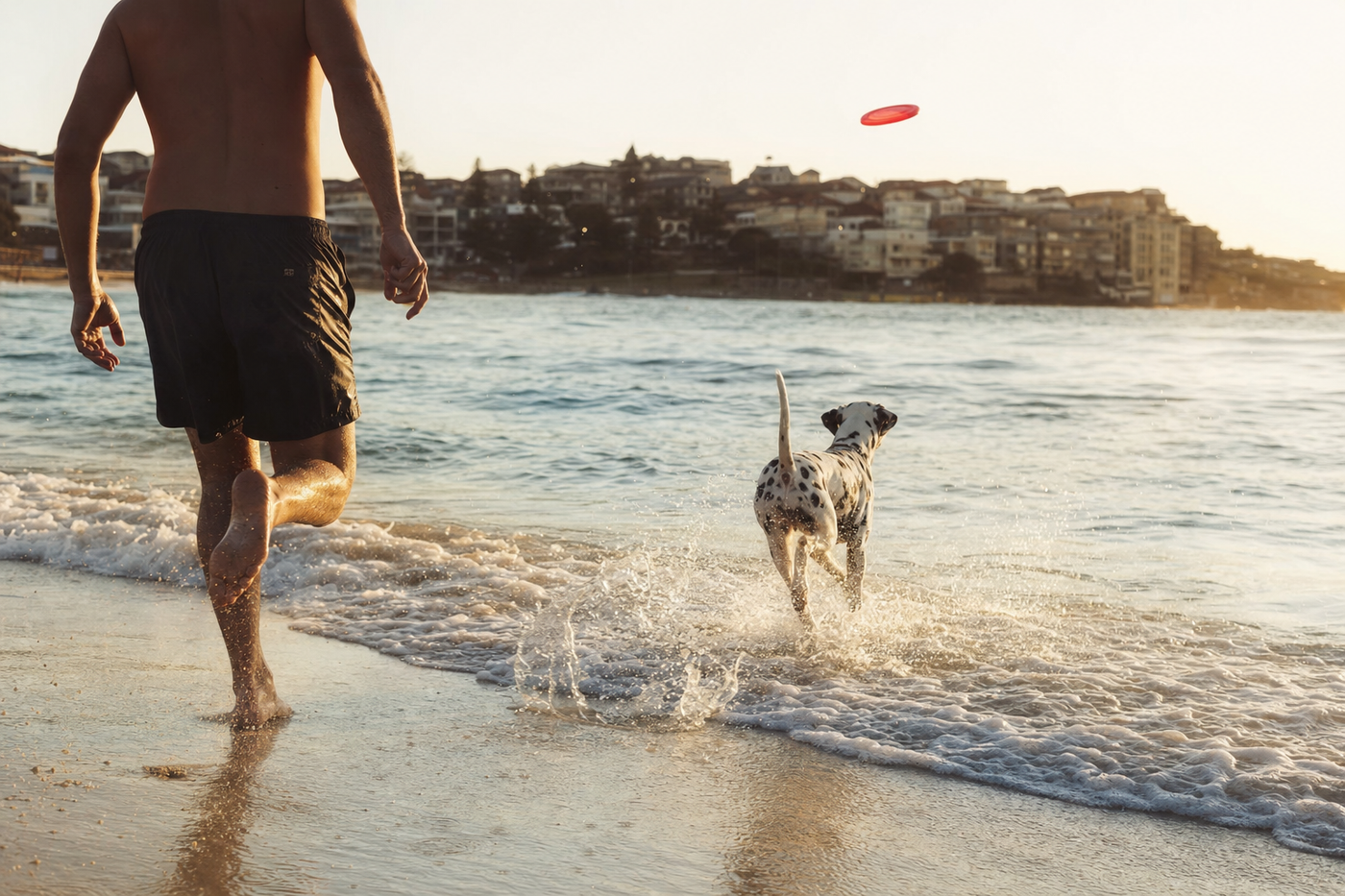
Heat stroke kills dogs fast on Australian beaches, particularly in Queensland and WA. Never visit during midday heat, and bring water.
Seasonal closures for bird nesting are enforced with fines. Ignoring them costs $100 to $500 and harms endangered species.
Why Beach Rules Change Across Australia
I learned the hard way that assuming my dog could swim at any Australian beach was a mistake. Each state and even each local council sets its own rules about where dogs can go and when. The reasons vary: some beaches protect nesting areas for endangered birds, others manage crowding during summer, and some councils simply prioritise swimmers over dogs.
Most beaches ban dogs completely during peak summer months from November to February. This protects both swimmers and dogs, since heat stroke happens fast on sand and hot water attracts jellyfish and stinging nettles. The rules also differ between public and patrolled beaches, with patrolled beaches typically much stricter. Before you drive two hours to what you thought was a dog-friendly beach, check the local council website or phone ahead. One quick call saves you disappointment and potential fines.
New South Wales Beach Access for Dogs
New South Wales has some of the most dog-friendly beaches in Australia, but they do come with conditions. Collaroy Beach, Narrabeen Beach, and Cronulla Beach all have designated off-leash areas, typically before 9am and after 4pm during summer. Outside summer, your dog can access more areas but still needs a lead in most places. During school holidays and weekends, restrictions tighten even more to manage the extra crowds.
Sydney councils vary wildly in their approach. Manly Beach bans dogs entirely except at Shelly Beach dog area before 10am on weekdays. Coogee Beach allows leashed dogs on the sand but not in the water. The northern beaches like Freshwater and Bondi offer morning access windows for dogs, usually from sunrise until 9am. I recommend downloading the specific council app or checking their website because rules change yearly. Some beaches also have seasonal closures from September to November for shorebird nesting, which many dog owners miss.
What we recommend
Some links below are affiliate links. Pawtrips may earn a commission at no extra cost to you.
Dog life jacket
Beach swimming isn't always safe, especially in areas with strong currents, rips, or deep water. A dog life jacket keeps your dog safe if they're not a confident swimmer and gives you peace of mind when they're swimming in unfamiliar waters. Many Australian beaches have unpredictable conditions, so a life jacket is genuine protection.
Victoria's Strict and Seasonal Rules
Victoria takes a much stricter approach than NSW, and I found this frustrating when we travelled down the Great Ocean Road. Most Victorian beaches ban dogs entirely from October through April to protect both swimmers and nesting birds. After April, dogs can access certain beaches but almost always on-leash. Sorrento Beach and Point Addis Beach have small off-leash zones, but you need to time your visit perfectly to use them.
Melbourne's beaches near the city are notoriously dog-unfriendly during busy periods. Brighton Beach allows leashed dogs year-round except November to April. Altona Beach permits dogs on-leash in the off-season only. The Dandenong Ranges and Mornington Peninsula have more relaxed attitudes, but you still need to check individual council websites. Victoria's environment department prioritises shorebird protection above dog recreation, so expect fewer options than in NSW. Ring ahead before driving anywhere in Victoria, because most beaches follow strict seasonal patterns you cannot assume or guess.
Queensland Beaches: Hot Weather Challenges
Queensland's heat makes beach trips with dogs trickier than most states realise. While the Gold Coast and Sunshine Coast allow dogs on many beaches, they impose strict summer bans from November through March. Currumbin Beach and some Sunshine Coast patches permit dogs on-leash during off-season, but the sand gets dangerously hot, and your dog's paws burn easily. I learned this when my border collie refused to walk on Noosa Beach in May because the sand was still scorching.
MostQueensland councils allow dogs before 9am or after 5pm outside summer months, with leads required at all times. Some popular spots like Rainbow Bay on the Gold Coast have dedicated dog zones, but they remain closed during summer. Magnetic Island near Townsville offers more generous access and cooler water for swimming, making it worth the drive if you're in that region. The real challenge in Queensland is managing heat stroke and dehydration. Water stations are rare on Queensland beaches, and your dog will get overheated fast. Bring plenty of fresh water and stick to early morning or late evening visits.
Cooling bandana for dogs
Queensland beaches get hot enough to harm your dog's paws and core temperature within minutes. A cooling bandana absorbs water and helps regulate your dog's temperature during beach visits, reducing heat stroke risk on days when the sand is scorching.
Western Australia, South Australia, and Tasmania
Western Australia's beaches vary dramatically by region. Perth's northern beaches like Scarborough and City Beach allow dogs on-leash during off-season months, typically May through August. Leeuwin Estate near Margaret River offers dog-friendly access, and Cottesloe Beach has a small designated off-leash zone. However, summer heat and the presence of great white sharks mean most beaches close to dogs from September onwards. Always check local beach warnings before swimming, as shark sightings cause closures that can last days.
South Australia tends to be more restrictive. Glenelg Beach and Port Noarlunga don't allow dogs during peak season, and leash requirements apply year-round elsewhere. Dog Beach near Port Elliot offers dedicated off-leash access, making it one of SA's best options for dog owners. Tasmania is the most dog-friendly state overall. Bruny Island beaches permit dogs with minimal restrictions, and many coastal areas allow year-round access on-leash. The cooler climate means dogs can tolerate longer visits without heat concerns. If you're planning a Tasmanian road trip, you'll find the most flexible beach access there compared to any other state.
Understanding Lead Laws and Off-Leash Zones
Most Australian councils define three types of beach areas: completely closed to dogs, on-leash only, and designated off-leash zones. The off-leash zones exist in specific locations and during specific times, and they change based on season and day of the week. A beach might allow off-leash access on weekday mornings but require leads on weekends when more swimmers are present. This is maddening to track, but it exists because councils balance dog owner rights against swimmer safety.
When a beach does allow off-leash access, your dog must remain under voice control at all times. This means coming back when you call and not chasing other dogs, swimmers, or birds. If your dog ignores commands, you'll be asked to leave or fined. Many councils now use GPS-tracked beach access systems, and rangers can scan a dog's microchip to check if the owner has paid beach access fees. The lead must be 1.8 metres or shorter in most states, and retractable leads don't count as proper leads under the law. Always carry a proper lead even in off-leash zones, in case you need to quickly control your dog around swimmers or wildlife.
Personalised dog collar with contact number
Beaches are chaotic environments where dogs sometimes slip out of collars or get startled into running. A personalised collar with your phone number lets someone reach you immediately if your dog escapes. This is more reliable than relying on microchip readers in an emergency.
Seasonal Closures and Bird Nesting Protection
The biggest surprise when I started travelling with a dog was discovering that many Australian beaches close to dogs for half the year to protect nesting shorebirds. Species like the endangered hooded plover and little tern nest directly on sand between September and February. Councils take this seriously and patrol beaches to enforce closures. A dog running through a nesting area can destroy an entire season's breeding effort for birds that are already endangered.
Check your chosen beach's nesting calendar before booking accommodation. Some beaches close during September and October only, while others stay off-limits until late February or even March. A handful of beaches, particularly in Tasmania and parts of WA, remain open year-round, but these are exceptions. Ignoring nesting closures results in hefty fines ranging from $100 to $500 depending on your state. Local council websites display closure dates clearly, and most tourism websites will flag seasonal restrictions. If you're flexible with travel dates, visiting during April through August gives you the best access to dog-friendly beaches across all states.
Dog beach towel
A microfibre dog towel dries your dog quickly after swimming and removes salt water and sand from their coat. Dried salt and sand left on skin cause irritation and itching after beach visits, so proper drying matters more than people realise.
Checking Rules Before You Go: Practical Steps
I've wasted petrol driving to beaches only to find they don't allow dogs, so now I check everything beforehand. Start by finding your destination council's official website and searching for beach access or dog policies. Most councils list every beach with its restrictions, lead requirements, and seasonal dates. Phone the council directly if the website is unclear, since staff can confirm rules that changed recently and aren't yet updated online.
Download the BeachSafe app for NSW beaches, which shows current conditions, shark warnings, and dog access details. VIC Parks offers Victoria-specific information, and most other councils have their own apps or notification systems. Consider joining local Facebook groups for dog owners in your destination area, as they'll provide current advice about which beaches are actually welcoming versus which ones technically allow dogs but rangers rarely check. This real-world knowledge often differs from official policies. Finally, check weather and water conditions the day before you visit. Even if a beach technically allows dogs, rough seas or extreme heat might make it unsafe for your dog anyway. A quick online check takes five minutes and prevents a wasted trip.
Plus early access to new guides and partner deals.
No spam. Ever. Just the good stuff for you and your pet.