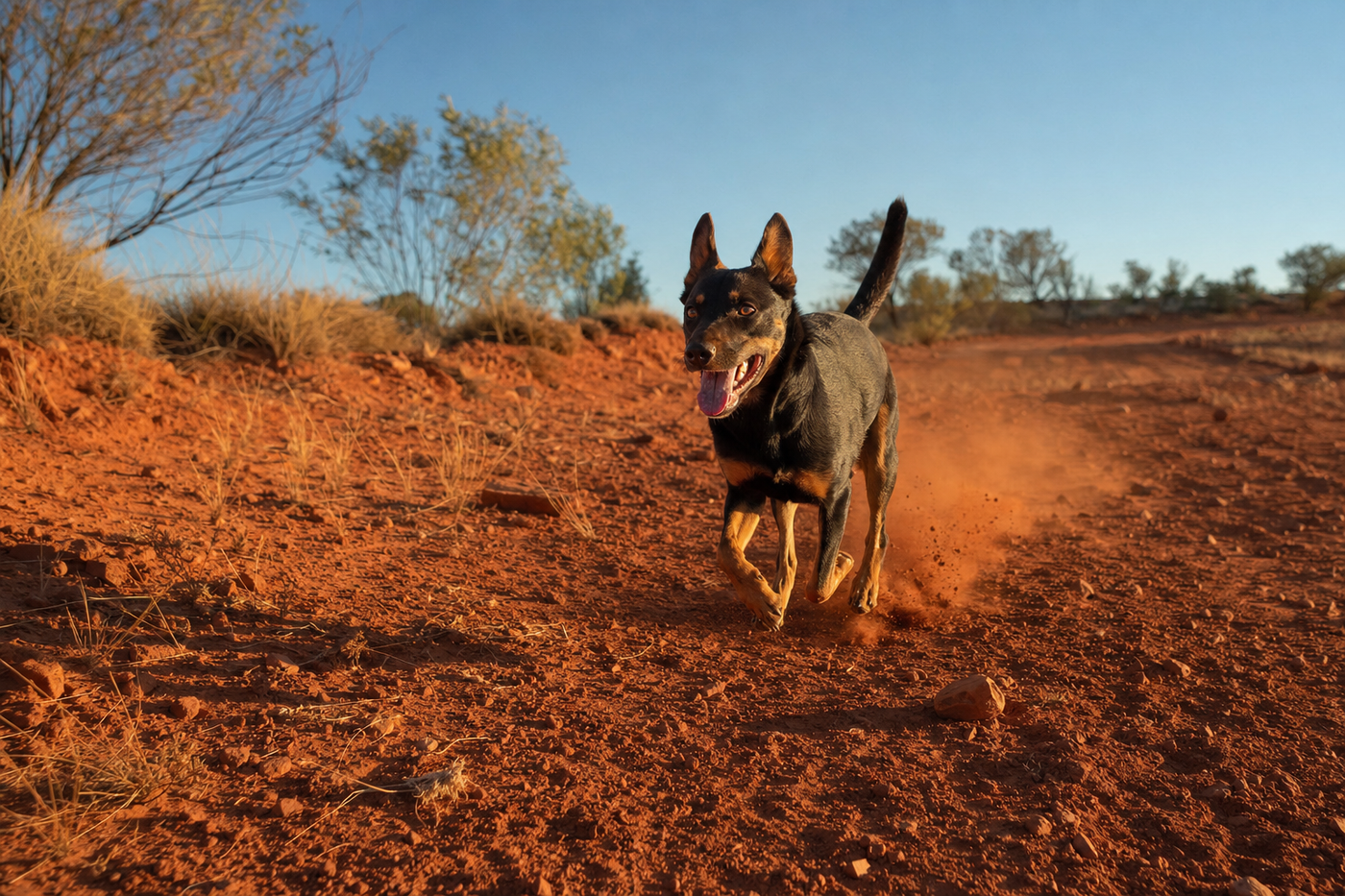
Unregistered dogs can be confiscated immediately by council rangers during routine checks or at your accommodation. Retrieval fees, boarding costs, and processing charges can exceed $1,500.
If your unregistered dog causes injury to another person or animal, your pet liability insurance will be voided and you'll be personally responsible for all medical and legal costs.
Why registration matters for travelling with your dog
I learned the hard way that dog registration isn't just red tape. When I drove my kelpie cross from Melbourne to Sydney without checking if my registration was current, I got stopped at a random check near the NSW border. The ranger explained that unregistered dogs can't legally travel between states, and I faced a spot fine of $600 on the spot.
Registration creates an official record that your dog belongs to you and that you've met basic health requirements like vaccinations. Most councils won't register a dog without proof of microchipping and current vaccinations, which means registration actually protects your dog if they get lost during travel. Without it, councils have legal grounds to confiscate your dog and hold them in a shelter while they track down the owner.
State-by-state registration penalties you should know
Each Australian state has its own registration system and penalty structure, which caught me off guard when I travelled from Queensland to NSW. In NSW, harbouring an unregistered dog can cost you up to $3,300 for a first offence. Queensland penalties start at $300 for a first offence but jump to $1,050 for a second offence within five years. Victoria charges up to $3,183, while South Australia sits at $3,000.
Western Australia and Tasmania don't have state-wide registration, but individual local councils set their own rules and fines. The ACT requires registration and charges $100 plus additional fees for unregistered animals. These numbers add up fast, especially if you're stopped multiple times while driving through different regions. A three-week road trip across Australia with an unregistered dog could easily result in fines exceeding $5,000 if you're caught in multiple states.
What we recommend
Some links below are affiliate links. Pawtrips may earn a commission at no extra cost to you.
PitPat Dog GPS Tracker
If your dog is confiscated during travel, a GPS tracker helps you locate them quickly. This device requires no subscription and works across Australia, giving you real-time location data if your dog escapes or gets lost in an unfamiliar area.
Risk of confiscation during travel
The scariest part of travelling unregistered isn't the fine, it's losing your dog completely. When an officer stops you at a roadside check or a ranger visits your accommodation, they have legal authority to seize an unregistered dog on the spot. I spoke to a woman in Adelaide who lost her blue heeler for six weeks because she travelled unregistered. The dog was held at the council shelter while they tried to identify the owner through microchip records.
Once your dog is confiscated, you'll need to pay an impound fee, council processing fees, boarding fees for every day held, and potentially a release fee before you can take them home. These costs can exceed $1,500 depending on how long your dog stays in the system. If your dog isn't microchipped, identification can take weeks or months, and there's a risk the council will list them for rehoming if they can't contact you.
Dog Microchip and ID Tag
Microchipping is required for registration in every Australian state and council. A microchip plus ID tag with your contact number ensures authorities can identify your dog immediately if confiscated, dramatically reducing the time before reunion.
How breed-specific laws affect unregistered dogs
Unregistered dogs get extra scrutiny in areas with breed-specific legislation. Victoria bans pit bull type dogs outright, and unregistered dogs in this category face immediate confiscation with no option for release. NSW requires specific breeds like American pit bull terriers to be registered with extra restrictions including a muzzle requirement in public spaces. If you're travelling through these areas with an unregistered dog that fits a restricted breed description, you're at serious legal risk.
Breed identification becomes guesswork when your dog isn't registered, and councils often default to the most restrictive interpretation. My neighbour's mixed breed was held for two weeks while a breed assessor determined whether she had pit bull ancestry. Without registration paperwork showing her actual breed mix, the process took far longer than necessary. Being registered gives you documented proof of your dog's breed and reduces the chance of misidentification.
Insurance problems and legal liability
Your pet liability insurance becomes void if your dog isn't registered, which I didn't realise until after an incident. When my dog accidentally knocked over a cyclist near Byron Bay, my insurer refused to cover the claim because I couldn't produce a registration certificate. The cyclist's medical bills came directly out of my pocket, totalling over $2,000. Most pet insurance policies in Australia explicitly require current registration as a condition of coverage.
Beyond insurance, you're personally liable for any injuries or damage your unregistered dog causes while travelling. If your dog bites someone at a camping ground in Cairns, you're responsible for their medical costs, pain and suffering claims, and potentially criminal charges. Local councils take unregistered animals that cause injury far more seriously, and you could face court action in addition to fines. Registration isn't just a bureaucratic requirement, it's your legal protection.
Personalised Dog Collar with Contact Number
An engraved collar with your phone number provides immediate identification without needing a scanner. Combined with microchipping and registration, it's your fastest backup for reuniting with your dog if they're found by rangers or other travellers.
How to register before your trip starts
Registration happens at your local council, and the process takes between two to six weeks depending on where you live. Start with your council's website and confirm that your dog is microchipped, has current vaccinations, and meets any local requirements. Most councils won't process registration without a microchip number, so get that sorted first if you haven't already. The registration certificate is then issued and remains valid for one to three years depending on your state.
If you're planning a trip across multiple states, contact each council area you'll be travelling through and ask about their specific requirements. Some councils have different registration fees for dogs over seven kilograms or for dogs in rental properties. Bring your registration certificate in your travel documents, just like your driver's licence. Keep a digital copy on your phone as well, because rangers now often scan QR codes rather than checking physical paperwork.
PAW by Blackmores Complete Calm Multivitamins
Travelling stresses dogs and can affect their health. These multivitamins support immune function and calmness during long road trips, helping your dog stay healthy while you focus on keeping their registration valid and avoiding penalties.
What happens if you're caught without registration
If a ranger pulls you over or checks your accommodation, they'll ask for your dog's registration certificate and microchip details. They'll scan your dog's microchip with a portable reader that connects to a national database. If registration doesn't show up in the system, they'll issue an on-the-spot fine, photograph your dog for records, and note your details. Repeat offences lead to escalating penalties and the possibility of prosecution through the local court.
Some rangers will give you a grace period of a few days to register if you're genuinely close to your local council area, but you can't rely on this. Others issue fines immediately without warning. If you're travelling through remote areas of WA or NT where ranger patrols are sparse, you might avoid detection, but the risk isn't worth it. One friend thought she'd get away with it through the outback, then got caught in Alice Springs and paid $1,200 in fines while her dog was held for three days.
Planning your travel route around registration requirements
If your dog's registration is about to expire and you're planning a trip, sort it out before you leave. Time your registration renewal at least two weeks before your travel dates to account for processing delays. If you're moving between states, start the new registration in your destination state as soon as you arrive, then cancel the old one. Some states won't issue registration until you've been resident for a certain period, so check the rules for your destination.
When booking pet-friendly accommodation, tell the host about your dog's registration status upfront. Most legitimate pet-friendly properties ask for proof of registration and vaccinations as a booking requirement. This protects both you and the property owner. Plan your route to avoid areas known for random checks, though this isn't foolproof. The Newell Highway between NSW and Victoria has regular dog checks, and the Pacific Highway near the Queensland border gets patrols. Registering your dog removes all this stress completely.
Plus early access to new guides and partner deals.
No spam. Ever. Just the good stuff for you and your pet.