Incomplete or incorrect paperwork can result in your pet being confiscated or quarantined at your expense for up to 14 days. Quarantine facility costs exceed 300 dollars per night.
Some states impose temporary import bans during disease outbreaks with little warning. Check your destination state's official animal health website within one week of travel.
Why Each State Has Different Rules
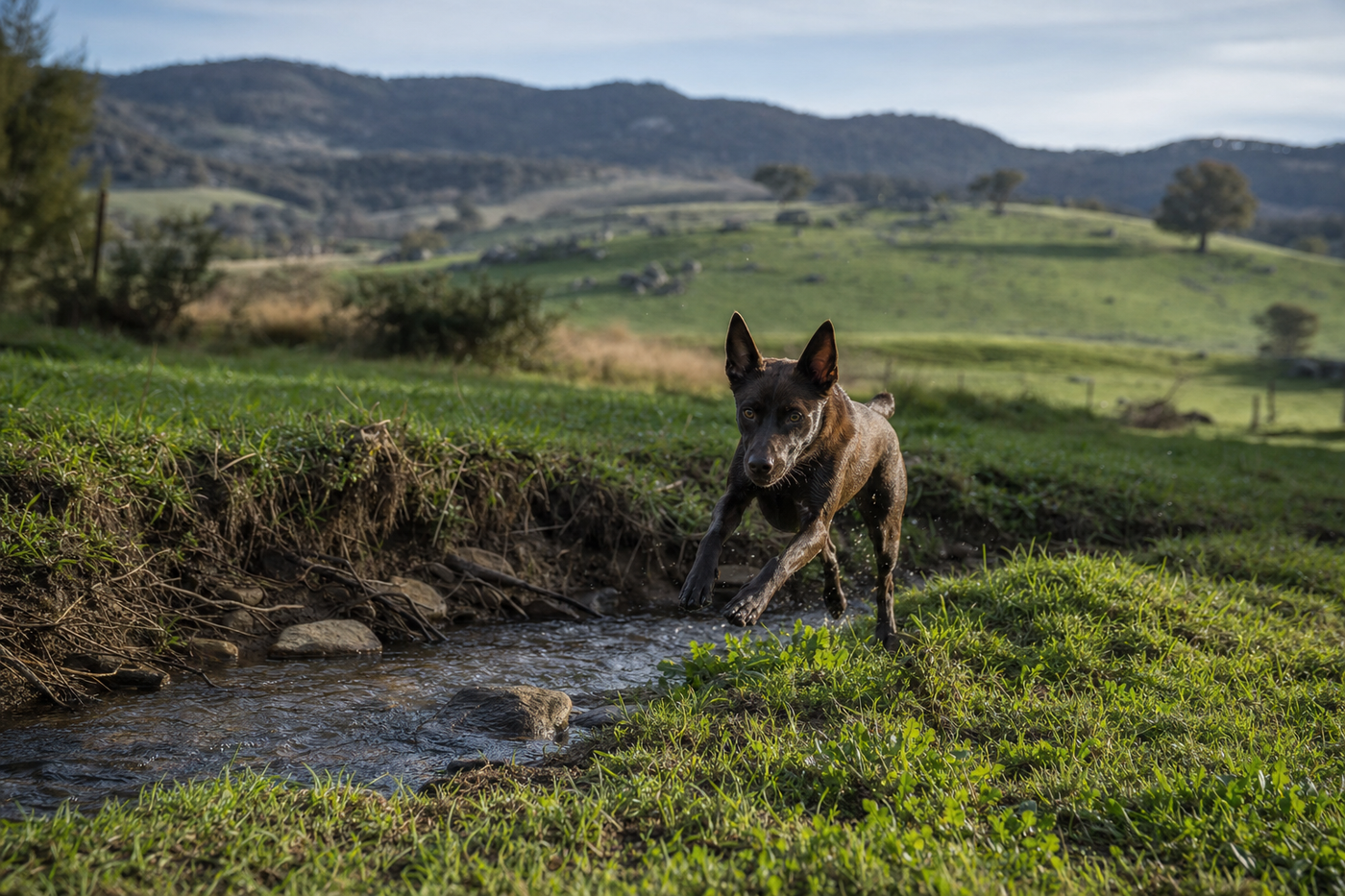
Australia's states and territories protect local animal populations from disease and pests by setting their own biosecurity rules. When I first drove my kelpie, Max, from Melbourne to Sydney, I assumed a simple vet letter would suffice. I was wrong. Each state treats incoming animals differently because they manage their own disease surveillance and wildlife protection. Queensland is particularly strict because of fruit fly and other agricultural pests. New South Wales focuses heavily on contagious diseases. Western Australia enforces quarantine periods for certain animals. Your pet's journey across a state border triggers biosecurity checks at checkpoints or upon arrival, depending on the route and destination.
Health Certificates: What You Actually Need
A health certificate is the foundation of any interstate pet move. Your vet must issue one within 10 days of travel, confirming your pet is free from visible signs of disease. The certificate needs to include your pet's microchip number, vaccination status (especially rabies if relevant), and any specific health conditions. When I took Max from Victoria to Queensland, the vet's letter cost thirty dollars and took two visits to arrange. Different states recognise different template versions, so ask your vet which form your destination state requires. Some states demand the certificate be issued by a government veterinarian rather than a private practice. Always contact your destination state's agriculture department before booking travel to confirm their exact certificate requirements.
Microchipping and Registration Requirements
Your pet must be microchipped before crossing any state border. Most states require the microchip to be registered with the pet's current owner details in the national database. I learned this lesson when Max's old breeder's information was still listed in his microchip registration. Border officials flagged it immediately. The microchip number must appear on your health certificate and match official records. Registration takes minutes at your vet's office and costs around twenty to forty dollars. Some states conduct spot checks on microchip readers at border crossings. If your microchip information is outdated or incorrect, you risk your pet being quarantined or turned back at the state border. Update your microchip details at least two weeks before travelling.
What we recommend
Some links below are affiliate links. Pawtrips may earn a commission at no extra cost to you.
Dog microchip and ID tag
A microchip with current registration is non-negotiable for interstate travel. Pair it with an ID tag displaying your contact number so officials can reach you if paperwork is lost during border crossings.
Personalised dog collar with contact number
A personalised collar with your current phone number ensures anyone who encounters your pet during travel can contact you immediately. This backup identification is especially useful if your microchip details haven't updated yet.
State-Specific Permits and Restrictions
Several Australian states require advance permits for pet entry, not just health certificates. Tasmania demands a permit application submitted at least twenty-eight days before arrival for dogs and cats. Northern Territory requires import permits issued by the Department of Primary Industry and Resources. South Australia has different rules depending on whether your pet is from an accredited region. Western Australia imposes strict quarantine periods for animals from mainland Australia, though these rules evolve. Queensland's Agricultural Certification Officer may inspect your pet upon arrival at certain borders. I've sat in a roadside checkpoint near Toowoomba for forty minutes while officials verified Max's paperwork. Apply for permits early, not the week before travel. Delays happen, and you don't want to be turned back five hours from your destination.
Vaccinations and Disease Testing You Cannot Ignore
Rabies vaccination status matters for interstate travel, even though Australia has no endemic rabies. Some states require proof of current rabies vaccination if your pet has travelled internationally in the past. Leptospirosis, parvovirus, and distemper vaccinations protect your pet and are taken seriously by biosecurity officials. Your vet must confirm vaccination dates on the health certificate. If your pet's vaccination is due while you're travelling, arrange it before crossing the border. Max was overdue for his booster when we crossed into New South Wales once, and a ranger actually stopped us at a service station to check paperwork. Border officials can legally quarantine your pet if vaccination records are missing or expired. Mark vaccination dates in your phone calendar and visit your vet one month before interstate travel to stay ahead of requirements.
Charlie & Buddy Hemp Oil for Dogs
Long car journeys between states can stress your pet. Hemp oil supports calm digestion and overall wellness during travel days, helping your pet stay settled while crossing borders.
Quarantine Rules and Temporary Restrictions
Quarantine periods vary by state and situation. If your pet shows signs of illness, officials may require isolation at a facility for up to fourteen days, costing hundreds of dollars per night. Tasmania has historically imposed quarantine for dogs from the mainland, though current rules allow entry with proper paperwork. Some disease outbreaks trigger temporary import bans. During a outbreak of dog flu in Sydney a few years ago, interstate movement faced extra scrutiny. I always check the destination state's official animal health website a week before travel for any active restrictions. Temporary bans can be announced with little notice. If quarantine becomes necessary, you'll need access to a facility or private accommodation where your pet can isolate. Quarantine costs fall on the pet owner, not the government.
Pet-friendly stays compliant with local laws
Once you've crossed the border successfully, Pawtrips' network of verified pet-friendly accommodation ensures you can rest overnight knowing your pet stays in legally compliant properties recognised by local councils.
What Happens at Border Checkpoints and After Arrival
When you cross into a new state, officials may ask for paperwork at checkpoints or conduct document checks during routine traffic stops. Victoria and New South Wales have staffed border control points. In my experience crossing into Queensland, officers photographed Max's microchip and compared it against the health certificate. They also visually checked him for signs of illness. Some checkpoints operate on a spot-check basis, so you might not be stopped every time. However, biosecurity officers have the power to confiscate a pet if paperwork is incomplete. After arrival, register your pet with the local council within the timeframes required by your new state, typically within two weeks. Registration costs vary but usually run fifty to one hundred dollars. Your new address and contact details must update on your microchip registration within one month of moving.
Planning Your Interstate Journey: A Practical Timeline
Start preparation six to eight weeks before your planned move date. Week one: contact your destination state's agriculture department and download official requirements. Week two: schedule a vet appointment to check your pet's health and confirm vaccination status. Week three: apply for any state-specific permits required. Week four: get the health certificate issued and verify your pet's microchip registration is current. Week five: arrange transport or accommodation booking with pet-friendly providers. Week six: confirm all paperwork one final time. One week before: check for any temporary biosecurity restrictions announced by your destination state. The day before travel: pack copies of all documents in a folder you can access at checkpoints. Max travels with a bright blue folder now, and it saves us stress at every border crossing.
Plus early access to new guides and partner deals.
No spam. Ever. Just the good stuff for you and your pet.