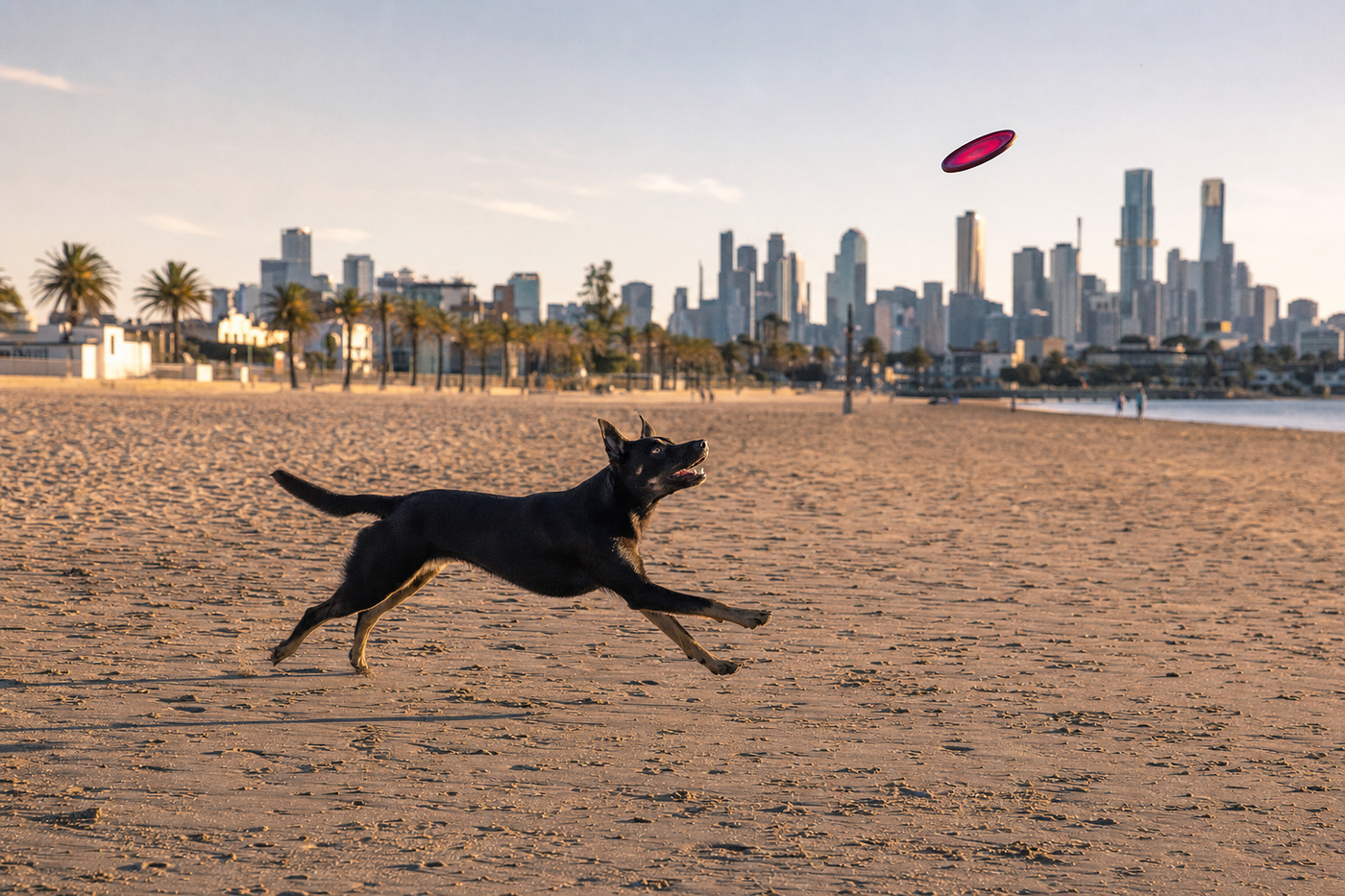
Off-leash dogs can disturb native wildlife and face additional penalties in protected areas. Fines for wildlife disturbance can exceed 2000 dollars in some states.
If your off-leash dog injures another dog or person, you face civil liability beyond council fines. Pet injury claims often cost 5000 to 20000 dollars.
Why Off-Leash Laws Matter When You Travel
I learned this the hard way during a trip to the Sunshine Coast. My golden retriever bolted off-leash at what I thought was a dog-friendly park, and a ranger issued me a 600-dollar fine on the spot. The council had different rules than my home town in Melbourne, and I had not checked beforehand.
Off-leash laws exist to protect your dog, other people's dogs, wildlife, and the community. Each Australian state and council sets its own rules, which means the laws you follow at home might not apply where you are travelling. A legal spot in one suburb could be illegal 5 kilometres away.
Travelling with your dog means doing your homework. Your dog's safety and your wallet depend on knowing the local rules before you arrive. Ignorance of the law will not protect you from a fine, and rangers take these rules seriously.
Off-Leash Laws by Australian State
New South Wales has some of the strictest rules. Dogs must be on-leash in most public places unless you are in a designated off-leash area. Sydney councils like Randwick and Manly have specific off-leash zones with time restrictions, usually early mornings and late afternoons. Breaking these rules costs you 100 to 550 dollars.
Victoria offers more flexibility in many areas. Melbourne councils including Darebin and Moreland allow off-leash walking in certain parks during specific hours, often 8 am to 10 am and 4 pm to sunset. However, inner city councils are stricter. You can face fines from 200 to 800 dollars if you breach the rules.
Queensland is moderately strict. Brisbane and the Gold Coast require leads in urban areas and near beaches, but some parks designated as off-leash zones allow your dog freedom. Fines start at 200 dollars and climb to 1000 dollars for serious breaches.
Western Australia, South Australia, and Tasmania generally follow similar patterns to NSW. Your dog must stay on-leash in public areas unless a specific zone permits otherwise. Always check the local council website for your exact location.
Designated Off-Leash Parks and Zones
Most Australian councils maintain at least one enclosed dog park where your dog can run without a lead. These are fenced areas designed specifically for this purpose. In Perth, parks like Shenton Park have dedicated off-leash zones with water bowls and shade. Brisbane's numerous dog parks include areas at parks like Spring Hill and Toohey Forest.
Off-leash zones within larger parks are common too. These might be specific sections of a reserve rather than entire parks. A 2-hectare section of a 10-hectare park could be off-leash, while the rest requires leads. Time-based zones are equally important. The same park might be off-leash from 6 am to 9 am but on-leash for the rest of the day.
When you arrive at a new location, find the council's official pet management plan online or visit the local visitor centre. Call the council directly if you cannot find clear information. Staff can tell you exactly where your dog can run free and when. This 10 minutes of research saves you money and stress.
What we recommend
Some links below are affiliate links. Pawtrips may earn a commission at no extra cost to you.
Dog Long Line Lead 10m
A 10-metre long line lead bridges the gap between fully on-leash and fully off-leash, allowing your dog partial freedom while maintaining control. This is essential for practising recall in new environments before trusting full off-leash zones.
Beaches and Nature Reserves: What You Need to Know
Beaches are where many dog owners get caught out. Most Australian beaches require dogs to be on-leash year-round or during certain seasons. Some beaches like Mooloolaba in Queensland and Collaroy in NSW have separate dog beach areas with specific access times, often before 9 am and after 4 pm.
Nature reserves and national parks almost always require leads, even in areas where dogs are permitted. These areas protect wildlife, and off-leash dogs can disturb native animals or chase them dangerously. Parks like the Dandenong Ranges near Melbourne allow dogs but only on-leash. Blue Mountains National Park in NSW permits dogs on-leash on certain trails only.
Road verges and nature strips require leads everywhere in Australia. I once saw a ranger fine a tourist 350 dollars for letting their terrier off-leash on a grassy road verge. Your dog needs a lead near traffic regardless of how quiet the road seems.
Training and Recall Before You Travel
Before any trip, your dog must have reliable recall. Recall means your dog returns immediately when you call or signal, regardless of distractions. A dog with perfect recall keeps itself safe even if an off-leash area is near a road or water.
Start training at home 8 to 12 weeks before your trip if your dog does not have solid recall. Use high-value treats like chicken pieces and practise in a fenced yard first, then gradually introduce minor distractions. Train in different locations because dogs behave differently in new environments. A dog that responds perfectly in your backyard might ignore you in a park near interesting smells.
Consider working with a trainer if your dog struggles with recall. A 4-week training program costs 400 to 800 dollars but prevents costly fines and potential injury. Many trainers offer travel-specific sessions focusing on recall in unfamiliar settings. Test your dog's recall in a long line lead first, gradually increasing distance as confidence builds.
Dog Whistle for Recall
A dog whistle provides consistent recall signalling across different environments and distances. Whistles cut through distractions better than voice commands, making them invaluable when training reliable recall before travelling. Many trainers recommend combining whistle training with treat rewards.
Dog Treat Pouch
Keep high-value treats easily accessible during off-leash training and travel. A proper treat pouch keeps rewards fresh and ready for immediate reward, essential for building solid recall habits. Attach it to your belt when visiting off-leash parks.
Identifying Breed-Restricted Areas
Some councils and states restrict certain breeds, which affects where your dog can go and whether off-leash areas are even accessible. Restricted breeds typically include American Pit Bull Terriers, Staffordshire Bull Terriers, and some other powerful breeds. Dogs on the restricted list often require muzzles in public and may be banned from certain parks entirely.
Check your destination council's restricted breed list before you arrive. A dog considered unrestricted in Melbourne might be restricted in Brisbane. If your dog is on a restricted list, that council may prohibit off-leash activity completely, regardless of otherwise dog-friendly parks.
If you own a restricted breed, call the destination council directly. Ask specifically whether your dog can access off-leash zones and what conditions apply. Some councils allow muzzled restricted dogs in off-leash parks, while others do not. Know this before you book accommodation.
Personalised Dog Collar With Contact Number
A personalised collar with your mobile number provides immediate identification if your dog goes missing during off-leash time. Include your contact details so locals can reach you directly without waiting for microchip lookup.
Fines, Penalties, and Your Responsibility
Off-leash violations carry serious financial consequences across Australia. In New South Wales, a first offence can cost you 200 to 550 dollars. Repeat offences climb to 1100 dollars. In Victoria, first offences start at 200 dollars and escalate to 800 dollars for subsequent breaches. If your off-leash dog injures a person or another dog, your liability multiplies dramatically. You could face civil lawsuits costing thousands of dollars.
Beyond fines, councils may issue prohibition notices. These orders can ban your dog from an entire council area or require you to carry additional documentation and insurance. One tourist I spoke to was banned from taking her dog into public spaces in Cairns for 12 months after an off-leash incident.
You are legally responsible for your dog at all times. Even if a sign is unclear or you misread an area's rules, the council will not waive the fine. Take personal responsibility by confirming the rules in writing before you visit. A quick email to the council asking for clarification protects you legally if a dispute arises later.
Practical Tips for Travelling With Your Dog Safely
Keep a physical or digital copy of each council's pet management plan with you while travelling. Screenshot or photograph the relevant pages showing off-leash zones, times, and restrictions. When you arrive at a new park, read the signs carefully and observe other dog owners before letting your dog off-leash.
Always carry your dog's microchip details, vaccination records, and a collar with your phone number. If your dog does bolt unexpectedly in an unfamiliar area, rescue services can reunite you quickly. Keep a 10-metre long line lead in your vehicle as backup. Many trainers recommend practising with a long line lead first, allowing your dog partial freedom while maintaining control.
Build a relationship with your dog's recall by rewarding it generously every single time it returns. Use treats, toys, or enthusiastic praise. Make coming back to you the best thing that happens during off-leash time. Invest in a training pouch to carry high-value treats. If your dog learns that returning brings exciting rewards, recall becomes automatic rather than negotiable.
Plus early access to new guides and partner deals.
No spam. Ever. Just the good stuff for you and your pet.