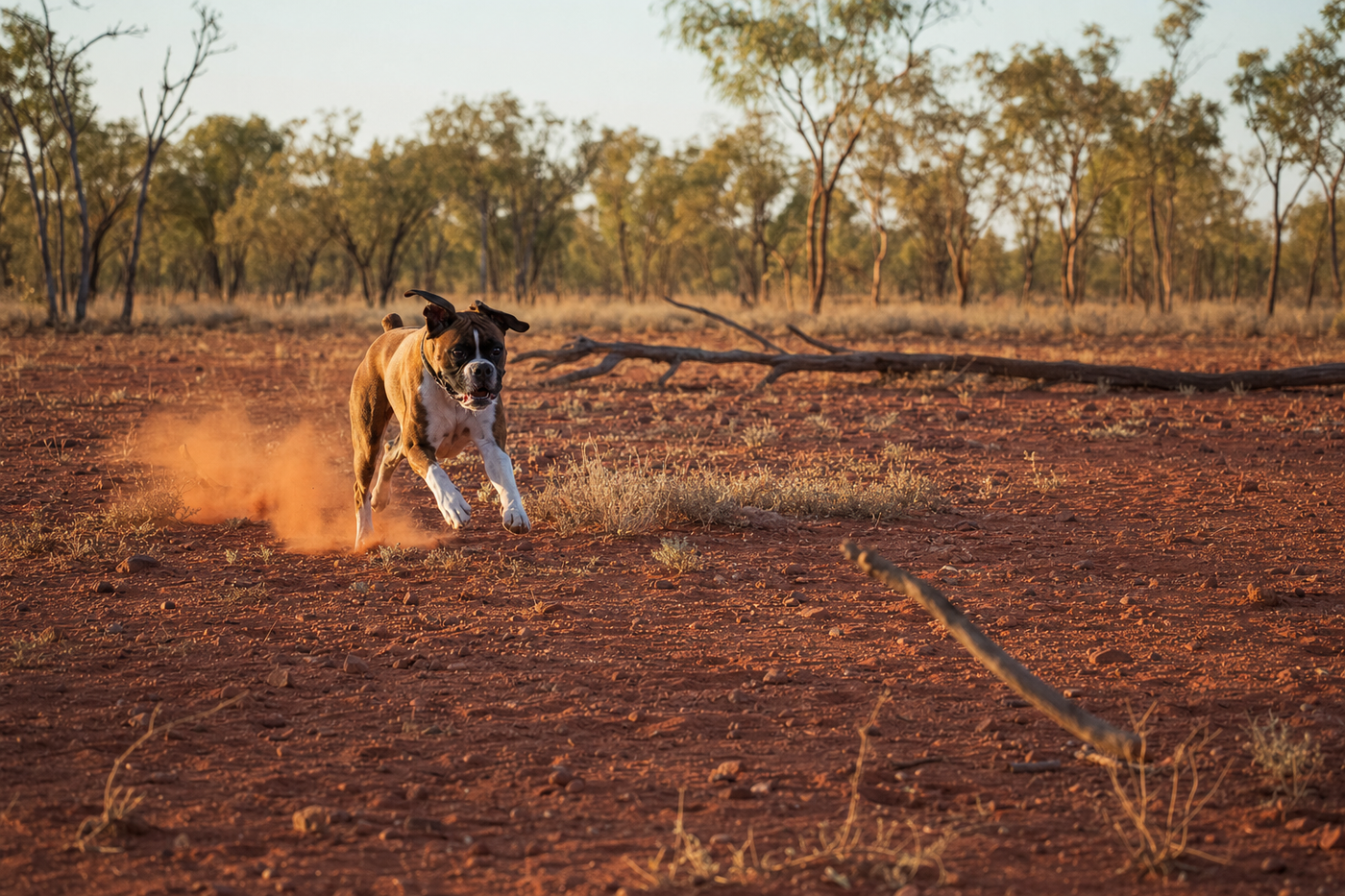
Boxers are highly susceptible to heat stroke due to their short muzzles and compact airways. Never leave your dog in a car, even briefly, and always provide shade and water at your destination. Signs of heat stress include excessive panting, drooling, lethargy, and lack of coordination; seek immediate veterinary care if these occur.
Some regional areas and remote outback locations have limited or no emergency veterinary services within 100 kilometres. Plan your route to stay within reasonable distance of towns with vet clinics, and carry contact details for emergency vets along your planned path.
Why Boxers Make Great Travel Companions
Boxers are loyal, energetic, and genuinely love spending time with their people. Your boxer will want to be wherever you are, whether you're camping near Coffs Harbour or hiking in the Blue Mountains. They're large enough to handle rough terrain but responsive enough to listen when it matters. The breed's playful nature means they adapt well to new environments, though they do need clear boundaries and routines. I've travelled thousands of kilometres with boxers across Australia, and their enthusiasm for a road trip is infectious. Just remember that their energy and size come with specific travel demands you'll need to plan for ahead of time.
Heat Stress: The Biggest Risk for Boxers Travelling
Boxers have short muzzles and thick coats, which means they struggle in hot weather far more than other breeds. Their body temperature rises quickly, and they can't cool down as efficiently as longer-snouted dogs. During Australian summer, temperatures in parked cars reach lethal levels in minutes, even with windows cracked. I learned this the hard way in Adelaide when my boxer started panting heavily after just 20 minutes in a partially shaded spot. Never leave your boxer unattended in a vehicle, even for a quick shop visit. Instead, plan your travel for early mornings or late afternoons, carry ice packs wrapped in towels, and always have access to shade and water at your destination.
Choosing Pet-Friendly Accommodation Across Australia
Not all pet-friendly places are equally boxer-friendly. A small coastal cabin might advertise pets welcome but lack shade, air conditioning, or secure fencing. Before you book, ask specific questions: Is there air conditioning? What's the yard situation? Are there nearby walking trails? I once booked a farm stay near Orange in New South Wales that looked perfect online but had no shade structures and was beside a busy road. Your boxer needs a cool resting spot, space to move around without bolting, and ideally a fenced area for toilet breaks. Many caravan parks across Queensland, New South Wales, and Victoria accept large dogs, but you'll pay extra. Budget an additional 15 to 30 dollars per night for pet fees, and always read recent reviews mentioning dogs before confirming.
What we recommend
Some links below are affiliate links. Pawtrips may earn a commission at no extra cost to you.
Pet-Friendly Stays
Pawtrips helps you find verified pet-friendly accommodation across Australia where your boxer is genuinely welcome. Filter by location, amenities like fenced yards and air conditioning, and read reviews from other dog owners who've stayed there.
Exercise Routines While Travelling
A boxer needs 60 minutes of exercise daily, minimum. When travelling, this becomes trickier because your usual routes disappear. Before arriving anywhere new, research dog parks, beaches, and walking trails using Google Maps and local tourism websites. The Sunshine Coast in Queensland has excellent dog-friendly beaches where boxers can swim and run. Inland areas like the Central West have quieter parks perfect for long lead walks. Exercise your boxer thoroughly before getting in the car for long stretches, which helps them settle and reduces anxiety. A tired boxer is a well-behaved boxer, and you'll enjoy the drive much more. Aim for a good walk or play session at least every two hours during driving days, plus a proper workout at your destination each evening.
Safe Car Travel and Restraint Options
Boxers weigh between 25 and 35 kilograms, and a loose dog in a moving car becomes a projectile in a sudden stop. I've seen too many owners drive with their boxer sitting on their lap or hanging out the window. Your dog needs proper restraint: a dog-specific car crate bolted to the vehicle, a vehicle harness attached to the seatbelt, or a barrier between the front and rear seats. Crates offer the most security and give your boxer a den-like space where they feel safe during travel. Position the crate away from direct sunlight and ensure good ventilation. Take breaks every 1.5 to 2 hours to let your boxer stretch, toilet, and drink water. Cover windows with sunshades to reduce heat and glare, and never leave your dog in the car unattended, even in mild weather.
XL Dog Seat Cover
A quality car seat cover protects your vehicle upholstery from boxer shedding and dirt while providing grip for your dog during travel. This keeps your boxer safer in the car and makes cleaning up afterwards much easier.
Large Dog Car Crate
A properly secured car crate is the safest way to transport your boxer during road trips. It provides containment, reduces anxiety, and protects your dog and passengers in case of sudden stops or accidents.
Managing Boxer Health and Paperwork on the Road
Before travelling, schedule a vet check to ensure your boxer is fit for the journey. Carry vaccination certificates, microchip details, and a recent photo of your dog in a folder you keep accessible. If your boxer takes medications, pack extras in case you're delayed returning home. Most larger towns and cities have emergency vet clinics, but rural areas of outback New South Wales or far north Queensland may require travel to reach one. I always keep a list of vet clinics along my planned route, saved in my phone. Research any specific health concerns your boxer has: breathing difficulties worsen in heat, skin conditions can flare with chlorine from caravan park pools, and digestive issues arise from stress or diet changes. Pack first aid supplies including bandages, antiseptic, and a cooling mat designed for dogs.
Finding Dog Parks and Exercise Spaces Nationwide
Australia has excellent dog parks in most towns, though quality varies hugely. Melbourne's Albert Park and Brisbane's South Bank Parklands have dedicated off-leash areas perfect for boxers to run safely. Smaller regional towns often have unshaded, overgrown parks that aren't ideal, especially for a dark-coated boxer in summer. Check local council websites before arriving, or ask accommodation hosts for recommendations. Many beaches along the New South Wales and Victorian coasts allow dogs before 9am and after 3pm. Walking trails near towns like Bathurst, Dubbo, and Tamworth welcome leashed dogs. Your boxer will appreciate swimming on hot days, but check water safety first. Some dams and rivers have toxic algae blooms that are deadly to dogs. Always carry a collapsible water bowl and fresh water from your accommodation, as public water sources aren't always safe.
Packing the Right Gear for Your Boxer's Trip
Pack a dedicated travel bag for your boxer containing bowls, lead, collar, ID tag, medications, and any dietary supplements. Include familiar bedding or a blanket that smells like home, which helps anxious dogs settle in new accommodation. Bring enough food for the full trip plus extra, as your regular brand may not be available in smaller towns. A grooming kit helps manage shedding, which boxers do heavily, especially when stressed. First aid supplies, poop bags, treats for training, and a cooling mat are essential. Don't forget toys that occupy your boxer mentally during downtime. I travel with a long training lead for secure off-lead areas, a lightweight camping chair for resting during walks, and a battery-powered fan for hot evenings. Sunscreen for pink noses is worth carrying too. Many boxers have sensitive skin, so bring a separate toiletries bag with their usual shampoo and any skin treatment your vet recommends.
Kurgo Dog Food Travel Bag
A dedicated kibble carrier keeps your boxer's meals fresh, organised, and separate from other travel gear. It holds up to 5 pounds of food and prevents spillage and contamination during transit across Australia.
PitPat Dog GPS Tracker
This GPS tracker works nationwide across Australia without ongoing subscription costs, giving you peace of mind if your boxer wanders off at a new location. Perfect for confident dogs who might chase wildlife or get distracted at unfamiliar dog parks.
Plus early access to new guides and partner deals.
No spam. Ever. Just the good stuff for you and your pet.