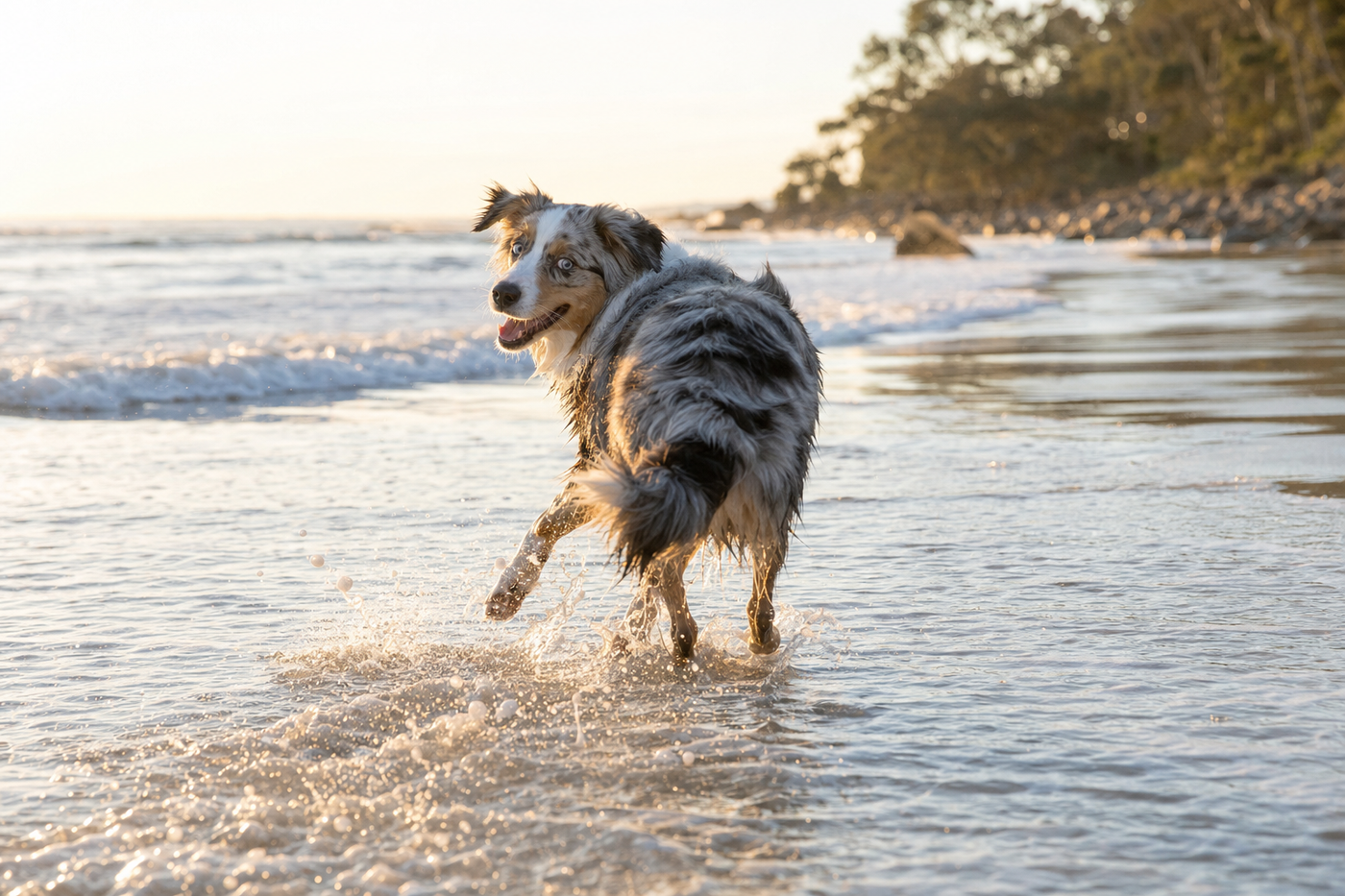
Fines for travelling with an undesexed dog in NSW or Victoria can exceed 3,000 dollars, and councils actively enforce these laws through ranger patrols at parks and public spaces.
If you fail to register your dog within the required timeframe, additional penalties apply and your dog may be seized by local authorities until documentation is provided.
Why Desexing Rules Matter When Crossing State Lines
I learned the hard way that Australia's states don't agree on pet control laws. When I drove my undesexed female Kelpie from Adelaide to Melbourne in 2019, I discovered Victoria has mandatory desexing laws that South Australia doesn't enforce as strictly. A ranger at a pet-friendly park near Werribee pulled me aside and explained I was technically breaking Victorian law by having an undesexed dog in public spaces.
Each state and territory sets its own rules about which dogs must be desexed and when. Some states treat it as a strict requirement before you even arrive. Others focus on registration and control rather than the surgery itself. The confusion happens because what's legal in one state can land you a hefty fine in another. You might own a healthy, well-behaved dog that's perfectly legal in Perth but creates compliance headaches in Sydney.
Desexing Laws State by State
New South Wales requires most dogs to be desexed by the time they reach 6 months old, though some exemptions exist for show dogs and breeding animals with proper paperwork. Victoria has similar requirements and actively enforces them through council rangers. Queensland is slightly more flexible but still strongly encourages desexing and requires registration regardless.
Western Australia, South Australia, and Tasmania have less stringent mandatory desexing laws but still require registration. The Australian Capital Territory and Northern Territory have their own variations. When I travelled from Adelaide to Brisbane with a 5-month-old puppy, I thought I had time to wait. A vet in Toowoomba told me Queensland council could fine me once my pup turned 6 months unless I had desexing plans documented. Tasmania allows more flexibility but requires desexed dogs to wear different registration tags than entire dogs.
What Happens If You Travel With an Undesexed Dog
Travelling with an entire (undesexed) dog interstate without proper understanding of local laws creates real legal and practical problems. I knew someone who drove a beautiful Staffy cross from Brisbane to Newcastle without realising New South Wales has strict enforcement. Within three weeks, a council officer spotted the dog at a local park and issued a notice requiring desexing within 30 days.
Fines in NSW can reach 3,300 dollars for not desexing by the deadline. Victoria's fines climb to around 2,400 dollars. Even in more relaxed states, you might face fines of 500 to 1,000 dollars. The real problem isn't just the money. Undesexed dogs attract more attention from rangers and enforcement officers, meaning surprise checks at parks or accommodation. If your dog isn't registered correctly in the new state, penalties stack up quickly.
Getting Your Dog Desexed Before Travel
The safest approach is having your dog desexed before crossing state lines, ideally at least 4 to 6 weeks beforehand. This gives your pet time to recover properly and gives you time to get the vet certificate you'll need. I booked my Kelpie's desexing 8 weeks before our big trip to ensure everything healed well and no complications arose during travel.
Talk to your vet about timing if you're planning interstate travel. They can advise on the best age and health status for your dog. Request a detailed certificate showing the date of desexing, your dog's details, and your vet's registration number. Keep this certificate with your dog's other documents. Some councils require a statement from your new vet confirming the desexing before they'll issue a registration. Budget 500 to 1,500 dollars for the procedure depending on your dog's size and the vet.
What we recommend
Some links below are affiliate links. Pawtrips may earn a commission at no extra cost to you.
PAW by Blackmores Complete Calm Multivitamins for Dogs
Desexing is a surgical procedure that affects your dog's health and behaviour. These multivitamins support your dog's recovery and help manage any post-surgery stress or anxiety. Especially useful during the 4 to 6 week recovery period before your interstate trip.
Documentation You Need to Carry
Before I crossed the Murray River into Victoria with my dog, I gathered every document I could find. I had the original vet certificate showing the desexing date, my dog's microchip number, vaccination records, and photos of my dog's registration tag. I kept them all in a folder in the car.
Carry your dog's desexing certificate at all times during interstate travel. Keep the microchip details and number accessible. Have proof of current registration from your home state. Some states ask for council registration documentation, so bring that too. A vaccination record helps at vet clinics in the new state. Take colour photos of your dog from multiple angles, including any identifying marks. If you're staying with friends or in accommodation, have the owner's permission in writing if requested. These documents protect you if a ranger questions your dog's status.
Dog microchip and ID tag
Before interstate travel, ensure your dog has a registered microchip with current contact details. A visible ID tag with your phone number is equally important. These are critical documentation requirements in every state and help authorities identify your dog if it's separated from you during travel.
Registering Your Dog in the New State
Most states require you to register your dog with the local council within a specific timeframe, usually 30 days after arrival. This is separate from desexing requirements but closely linked. When I moved my dog from South Australia to Victoria, I registered within two weeks just to be safe. Victoria's registration process accepted my SA desexing certificate without fuss because I provided it upfront.
Contact the council in your destination suburb before you arrive if possible. Ask what documentation they need. Some councils ask for the original vet certificate, others accept copies. Registration fees for desexed dogs are usually lower than for entire dogs, sometimes by 50 to 100 dollars annually. You'll need proof of your address, which can be tricky if you're renting temporarily. Ask your accommodation provider for a letter confirming your stay. Once registered, your dog receives a new registration tag specific to that council. Update your dog's microchip details with the new address as soon as you register.
Personalised dog collar with contact number
A collar engraved with your current contact details is proof your dog belongs to you and is registered. When you move states, update the engraved number to your new phone or address. Rangers can easily verify your dog's details without needing to check microchip scanners.
Temporary Travel and Short Visits
If you're only visiting another state for a holiday, the rules become less clear-cut. A weekend trip from Sydney to Melbourne doesn't typically trigger council enforcement, but you're still technically breaking the law if your dog is entire and not desexed by NSW standards. I took my dog to a friend's place in Adelaide for 10 days and didn't register locally because it was temporary. No ranger approached us, but I was nervous the whole time.
The safest approach for any trip longer than a week is desexing beforehand. If your dog is young and you're planning a short family holiday, discuss your specific situation with your home state's council. Some councils provide temporary permits or exemptions for travelling animals, though these are rare. Don't assume a short visit gives you legal cover. Carry your desexing certificate and registration documents anyway. If you're moving permanently, registration in the new state is non-negotiable.
Pet-friendly stays compliant with local laws
Find accommodation across Australia that explicitly complies with interstate desexing and registration laws. Pawtrips helps you book pet-friendly hotels, cabins, and caravan parks that accept desexed dogs and have clear policies about the documentation they require on arrival.
Finding Pet-Friendly Accommodation That Complies
Many pet-friendly hotels, holiday parks, and cabin providers now ask for proof of desexing when you book. This is because they face penalties if undesexed dogs cause problems in their area. I booked a pet-friendly caravan park in the Barossa Valley expecting no questions, but the manager requested proof of desexing via email before confirming my reservation.
Use platforms like Pawtrips that filter for pet-friendly stays and ask about their desexing policies when you book. Some venues require a vet certificate on arrival. Others just want your word but may ask to see documents. Being upfront about your dog's status prevents awkward confrontations when you arrive with your family and suitcases. If your dog isn't desexed, some venues will simply refuse the booking. Having your dog desexed removes this barrier entirely and makes finding accommodation easier across any state.
Plus early access to new guides and partner deals.
No spam. Ever. Just the good stuff for you and your pet.