Registration and microchipping in NSW
In New South Wales pet laws are primarily governed by the Companion Animals Act 1998. All dogs and cats must be microchipped by 12 weeks of age or before sale or transfer, whichever comes first. NSW introduced lifetime registration in 2010. Dogs and cats are registered once for life rather than annually. Registration is done through the NSW Pet Registry and is linked to your pet's microchip number. When travelling to NSW from another state your existing microchip and registration are generally accepted for visits. If you move to NSW permanently you must transfer your pet's registration to the NSW Pet Registry within a specified period.
Leash laws in NSW
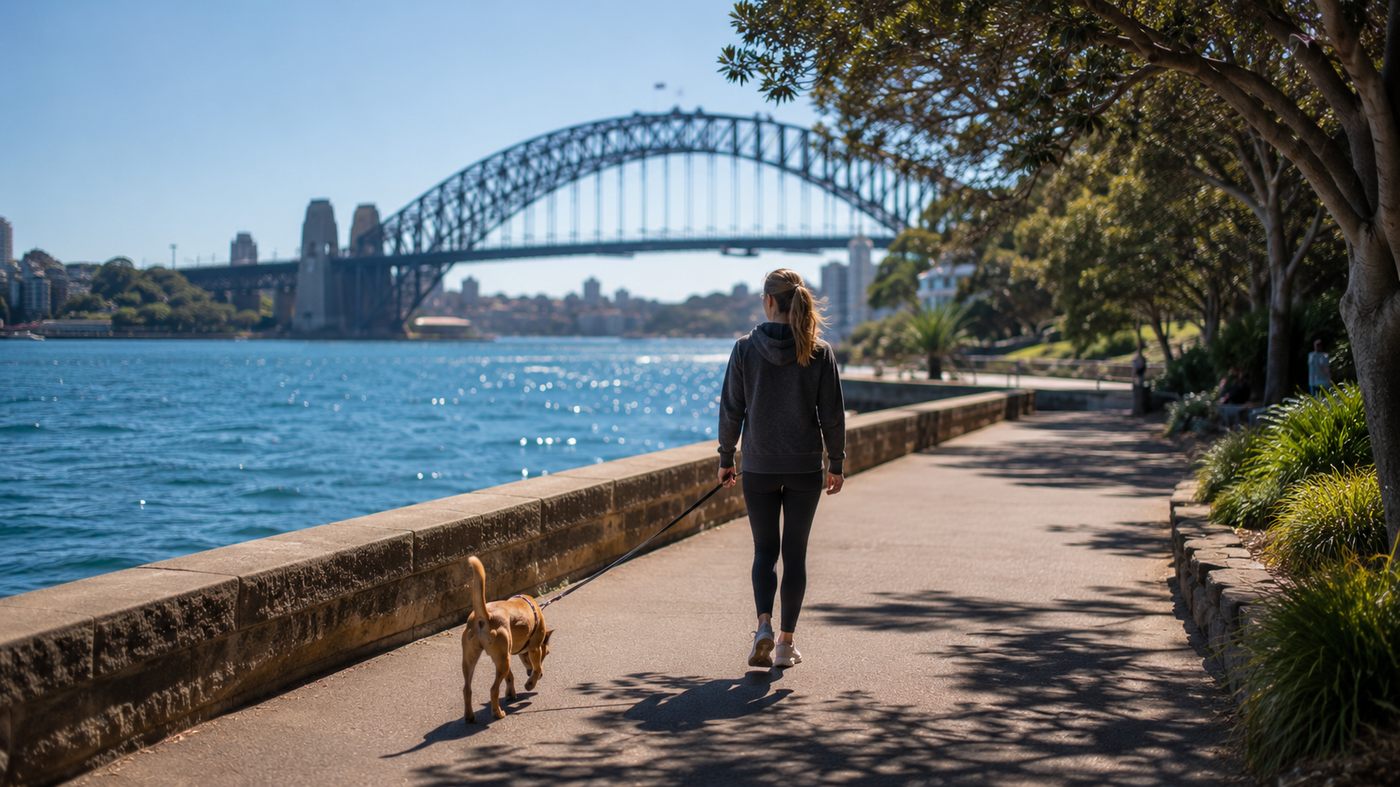
Dogs must be on a leash in all public places in NSW unless in a designated off-leash area. The Companion Animals Act requires dogs to be under effective control in public places at all times. Off-leash areas are designated by individual councils and vary significantly across NSW. Sydney's councils have varying and frequently updated rules. Regional councils have different rules again. The NSW Government maintains an online register of off-leash areas but individual council websites are the most current and reliable source for specific locations and rules.
What we recommend
Some links below are affiliate links. Pawtrips may earn a commission at no extra cost to you.
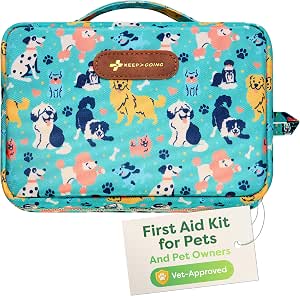
Dog First Aid Kit for Travel Emergencies
It's important to prepare for unforeseeable situations while travelling.

Reduce Shedding with FURminator Conditioner
A well-groomed coat means less mess in your travel space.

Mini GPS Tracker for Cats - Real-Time Location
Tracking your cat eases the stress of travelling together.

Track Your Dog's Location in Real-Time
It helps you keep your pet safe and in check during travels.
Cat containment laws in NSW
Cat containment laws in NSW vary by council. Some councils have mandatory cat curfews requiring cats to be contained overnight. Others have 24-hour containment requirements in certain areas. NSW has been progressively expanding cat containment requirements across more council areas to protect native wildlife. When travelling through NSW with a cat, check the containment requirements for each specific council area where you plan to stay. The NSW Government website provides current information on which councils have mandatory cat containment in place.
Dangerous dog laws in NSW
NSW has comprehensive dangerous dog legislation under the Companion Animals Act. Restricted breeds in NSW include American Pit Bull Terriers, Japanese Tosas, Dogo Argentinos, Fila Brasileiros, and Perro de Presa Canarios. Dogs can also be declared dangerous or menacing by councils based on behaviour. A dangerous dog declaration in NSW requires the dog to be desexed, microchipped, kept in a prescribed enclosure, and muzzled in public. If your dog has been declared dangerous in any state, you must comply with NSW dangerous dog requirements when travelling through the state.
Beaches and national parks in NSW
Beach access for dogs in NSW is managed by individual councils and varies considerably. Most ocean beaches in metropolitan Sydney have restricted dog access. Regional and coastal councils vary widely. NSW national parks do not permit dogs on most walking tracks and in most camping areas. Regional parks in NSW generally allow dogs on leash. State forests allow dogs on leash. Always verify the rules for the specific beach or park before visiting. The NSW National Parks website and individual council websites are the authoritative sources.
NSW pet laws are governed by the Companion Animals Act 1998 and individual council by-laws. Always check current rules with the relevant council before your trip. Write to us at hello@pawtrips.com.au if you find information that needs updating.
hello@pawtrips.com.auPlus early access to new guides and partner deals.
No spam. Ever. Just the good stuff for you and your pet.