Registration and microchipping in Queensland
In Queensland all dogs and cats must be microchipped and registered with their local council. Microchipping is required by law before a dog or cat is sold or given away and should be done as early as possible after acquiring a new pet. When travelling through Queensland with a pet from another state, your existing registration and microchip details are generally accepted for short visits. If you relocate to Queensland permanently you must register your pet with your new local council within 30 days. Keep microchip details current with your contact information. If your pet is lost while travelling in Queensland, current microchip details are the primary way animal management officers can return them to you.
Leash laws in Queensland
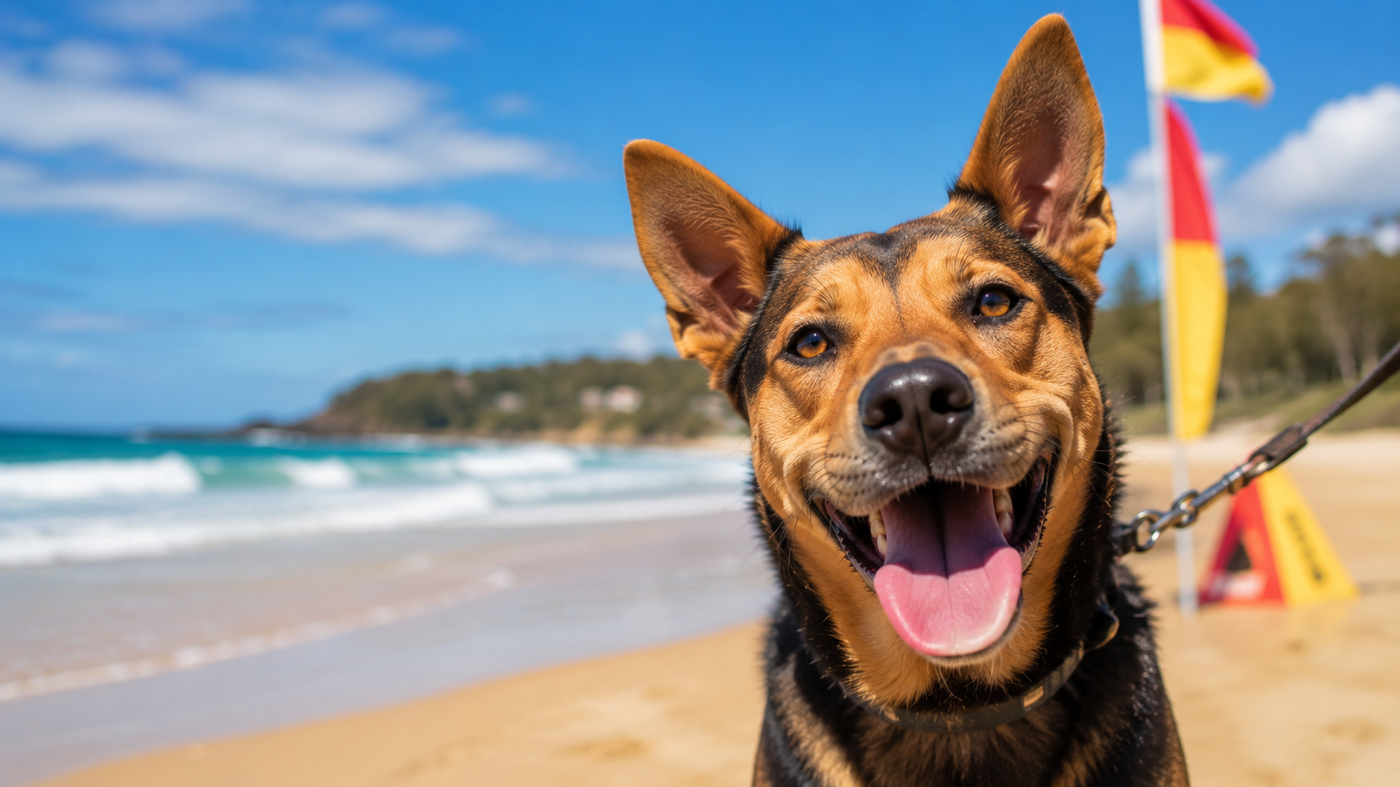
Dogs must be on a leash in all public places in Queensland unless the area is specifically designated as off-leash by the local council. This applies to footpaths, parks, beaches, and all other public spaces. The leash must be held by a person capable of controlling the dog. A dog tied to a post while an owner is in a shop is not considered under effective control. Off-leash areas are managed by individual councils and rules vary significantly between areas. Always check the specific council rules for any area you plan to visit. What is permitted in Brisbane City Council may differ from Sunshine Coast Council or Gold Coast City Council.
What we recommend
Some links below are affiliate links. Pawtrips may earn a commission at no extra cost to you.
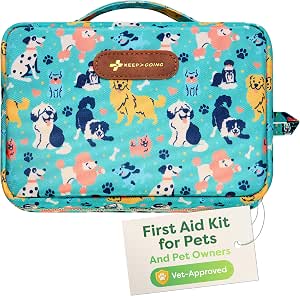
Dog First Aid Kit for Travel Emergencies
It's important to prepare for unforeseeable situations while travelling.

Reduce Shedding with FURminator Conditioner
A well-groomed coat means less mess in your travel space.

Mini GPS Tracker for Cats - Real-Time Location
Tracking your cat eases the stress of travelling together.

Track Your Dog's Location in Real-Time
It helps you keep your pet safe and in check during travels.
Cat laws and curfews in Queensland
Cat laws in Queensland vary by council but most local councils have cat curfew requirements confining cats to the owner's property between dusk and dawn. Some councils have 24-hour containment requirements. When travelling through Queensland with a cat you are responsible for complying with the cat containment laws of each council area you stay in. This means your cat must be kept inside or in an appropriate enclosure overnight. Some Queensland councils require cats to be microchipped and registered. Check the specific requirements of any council area where you plan to stay for an extended period.
Dangerous dog and restricted breed laws
Queensland has strict laws relating to dangerous dogs and restricted breeds. Restricted breeds in Queensland include American Pit Bull Terriers, Japanese Tosas, Dogo Argentinos, Fila Brasileiros, and Perro de Presa Canarios. Owners of restricted breed dogs face significant requirements including desexing, microchipping, secure enclosure, and muzzling in public. These requirements apply when travelling through Queensland regardless of your home state. If your dog has been declared dangerous or menacing in any state, those obligations generally travel with you. Failure to comply with dangerous dog requirements anywhere in Queensland can result in significant fines and seizure of your dog.
Beach and park rules
Dog access to beaches and parks in Queensland is managed by individual councils and varies enormously. Most beaches have time-based restrictions and designated dog-friendly sections. National parks in Queensland do not permit dogs. Always check the specific rules for any beach or park before visiting. Gold Coast City Council, Sunshine Coast Council, Noosa Council, and Brisbane City Council all have different rules and different off-leash areas. Fines for dogs off-leash in prohibited areas can be significant. Council rangers actively patrol popular beaches particularly during peak periods.
Travelling through Queensland with interstate registered pets
If you are travelling through Queensland temporarily with a pet registered in another state, you are generally not required to re-register your pet for a short visit. Your existing microchip and registration are sufficient. However you must still comply with all Queensland laws during your visit including leash laws, cat curfew laws, and dangerous dog requirements. Being registered in another state does not exempt you from Queensland's local laws. For extended stays or permanent relocation, contact your new local council about registration requirements and timeframes.
Pet laws in Queensland change periodically. Always check with the specific local council for the most current rules before your trip. Write to us at hello@pawtrips.com.au if you find information that needs updating.
hello@pawtrips.com.auPlus early access to new guides and partner deals.
No spam. Ever. Just the good stuff for you and your pet.