Heat stroke can be fatal in huskies within minutes. Never leave your husky in a car unattended, and watch for excessive panting, drooling, or lethargy as signs of heat stress.
Paralysis ticks are found in coastal and some inland areas of Australia between August and February. Tick prevention is non-negotiable, and you should check your husky's coat daily during travel in tick-prone regions.
Why Huskies Are a Travel Challenge in Australia
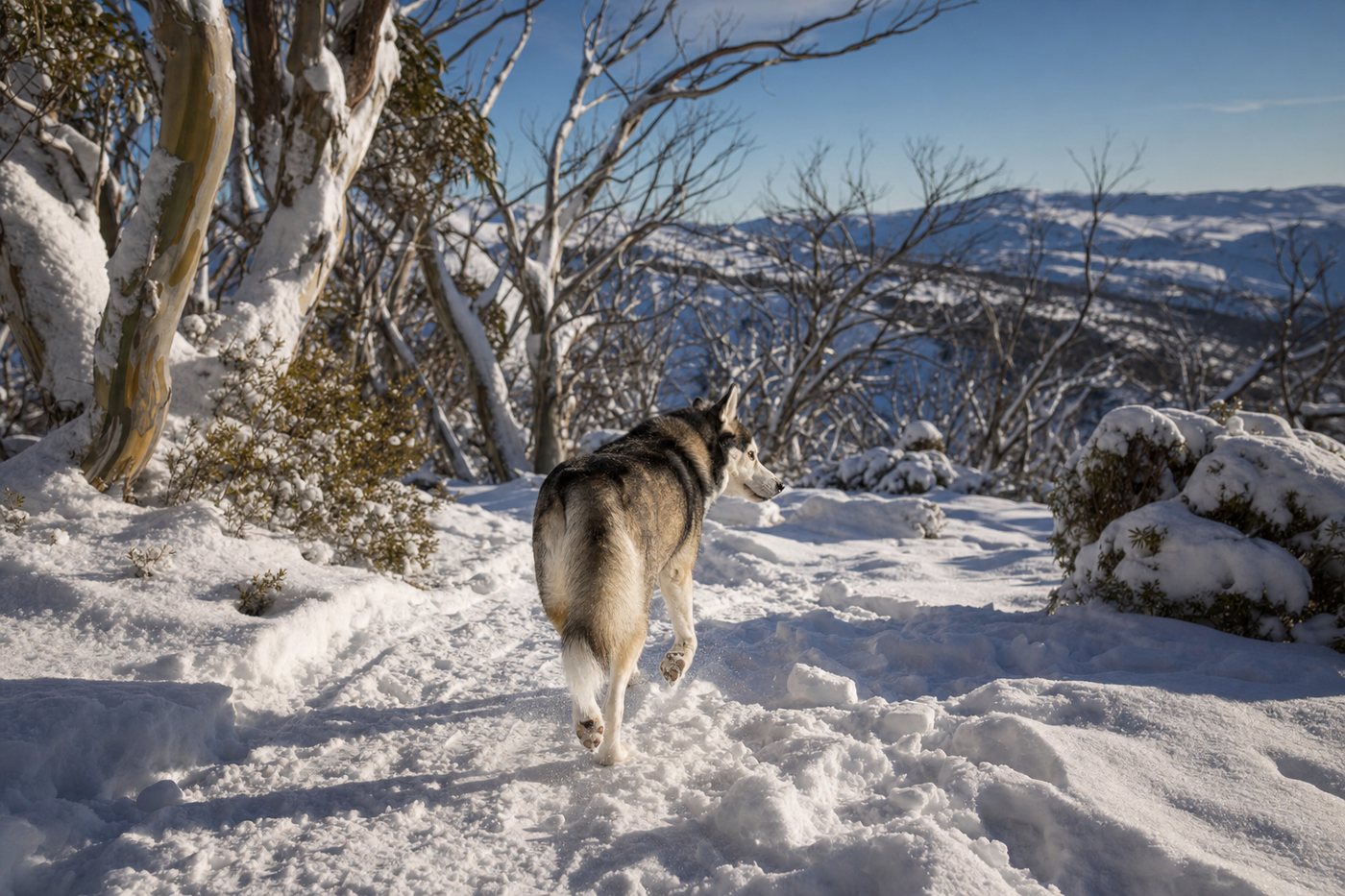
Huskies were bred in Siberia to run in snow and cold. Australia is the opposite. Your husky's thick double coat is designed to trap heat, not shed it, which means travelling with one requires serious planning and honestly, a reality check about the season you choose.
I learned this the hard way when I drove my husky from Melbourne to Adelaide in November and watched him pant for six hours straight. He wasn't happy, I wasn't happy, and the car smelled like wet dog and stress. The breed's size compounds the problem: a husky weighs 20 to 27 kilograms and needs space to stretch out, not a cramped backseat.
Huskies also have a stubborn streak. They were sled dogs, bred to think independently and make decisions in blizzards. On the road, that means they don't always listen to commands, especially when stressed or overheated. You'll need patience, planning, and a genuine understanding that sometimes the best trip is the one you don't take during summer.
Best Times and Routes for Husky Travel
Forget summer. Travelling with a husky in Australia between December and February is cruel. Even autumn can be iffy: temperatures above 25 degrees Celsius start causing problems. Late April through August is your sweet spot, with autumn (March to May) being particularly pleasant in most regions.
Choose cooler destinations. The Blue Mountains near Sydney, the Dandenong Ranges near Melbourne, Tasmania, and the Adelaide Hills are all husky-friendly. Avoid the inland routes through New South Wales and Victoria during warmer months, and skip Queensland entirely unless you're travelling there in winter.
Break long drives into shorter legs. Instead of driving 12 hours from Sydney to Canberra, stop at Goulburn or Yass after 90 minutes. Let your husky out, give him water, walk him for 20 minutes, and let him cool down properly before continuing. I've found that stopping every 90 to 120 minutes keeps my husky calm and prevents heat stress. Use air conditioning aggressively, but not so cold that the temperature shock harms him when you stop.
Managing Heat on the Road
Heat is the number one enemy when travelling with a husky. A car heats up to dangerous temperatures within minutes, even with windows cracked. Never leave your husky unattended in a vehicle, even for five minutes to grab coffee.
Invest in good car climate control. Window shades designed for pets block sun and reduce interior temperature significantly. An XL seat cover protects your car and gives your husky a defined, comfortable space where he can lie flat without sliding around corners. A large travel bed inside a car crate helps him feel secure while allowing airflow.
Bring frozen water bottles wrapped in towels. When your husky is panting heavily, place these bottles near him (not touching his coat) so he can cool down. Collapsible bowls are essential: stop every 90 minutes and offer water even if he doesn't seem interested. Dehydration sneaks up fast. On really hot days, wet a towel and drape it over his back while driving. It sounds old school, but it works. A spray bottle with water mist also helps, though some huskies hate the sensation.
What we recommend
Some links below are affiliate links. Pawtrips may earn a commission at no extra cost to you.
XL Dog Seat Cover
An XL seat cover defines your husky's space in the car, prevents sliding during corners, and protects your vehicle from shedding and dirt. It also gives your husky a sense of security and comfort during long drives, reducing stress and fidgeting on the road.
Choosing Pet-Friendly Accommodation
Not all pet-friendly places are created equal. A motel that allows dogs might stick you in a tiny room without airflow, which defeats the purpose for a heat-sensitive breed like a husky. Look specifically for places with good ventilation, outdoor areas, and ideally a policy of allowing pets to stay during the day while you explore.
Call ahead and mention you have a husky. Some places get nervous about the breed's size or their reputation for being independent. Be honest about his temperament and ask about ground floor rooms, outdoor access, and whether they allow dogs to stay inside during hot parts of the day. Pet-friendly chains like Big4 caravan parks usually have good facilities, and many allow you to keep your dog in an air-conditioned room during the day, which is crucial.
Bring your own travel bed and bowls. These familiar items reduce stress for your husky and make him less likely to trash the room out of anxiety. Leave him with puzzle toys or frozen treats when you go out, not because you're being kind, but because a bored husky becomes a destructive husky, and you'll lose your bond deposit. Book accommodation at least four weeks ahead during peak travel periods. Many places have limited pet spots, and huskies are popular enough that slots fill quickly.
PitPat Dog GPS Tracker
Huskies are independent and escape-prone, especially in unfamiliar places. This GPS tracker requires no subscription and lets you know exactly where your husky is if he gets away from you at a rest stop or accommodation, giving you peace of mind during travel.
Exercise and Mental Stimulation While Travelling
A tired husky is a manageable husky. Before getting in the car, take him for a serious run or walk: 30 to 45 minutes minimum. A 20-kilometre drive to a hiking spot, a 45-minute walk, and a 20-kilometre drive back is a valid road day for a husky. It's not about covering kilometres; it's about keeping him mentally and physically engaged.
Huskies get bored easily and will invent entertainment if you don't provide it. Destructive behaviour in the car or hotel room usually means he's understimulated, not badly behaved. Use puzzle toys, frozen treats, and sniff games to occupy him during downtime. A Kong stuffed with peanut butter and frozen will keep him occupied for 30 minutes to an hour.
Find dog parks or safe off-lead areas wherever you stay. Most towns in Australia have them. Let your husky run fully off lead for 20 to 30 minutes if possible. This burns energy, allows him to reset his brain, and makes car time much more tolerable. A husky who's had a proper run won't stress when he's back in the car because he's genuinely tired, not just bored.
Kurgo Dog Food Travel Bag
Keeps your husky's kibble fresh and organised during road trips. This 5-pound capacity carrier prevents food spoilage in warm climates and makes feeding routines easier when travelling between pet-friendly stays.
Health, Safety, and Essential Supplies
Before you travel, visit your vet and get a health check. Ask about flea and tick prevention that's appropriate for the regions you're visiting. Australia has nasties like paralysis ticks in coastal areas and some inland regions, particularly between August and February. Seresto collars work well for huskies and last eight months, so if you're planning a month-long trip, one collar covers you.
Carry a first aid kit specific to dogs: tweezers for tick removal, antiseptic spray, antibacterial ointment, and pain relief. Keep your vet's contact number and the number for the nearest emergency vet clinic at your destination in your phone. Ensure your husky is microchipped and registered with the microchip company. A collar with ID tags is also essential, even though huskies are escape artists and often slip collars. A GPS tracker gives you real confidence when travelling in unfamiliar places.
Pack medication, supplements, and enough food for the entire trip. Don't rely on being able to buy his regular brand on the road. A Kurgo kibble carrier keeps dry food fresh and organised. Bring vaccination records and any prescription documentation in case you need emergency vet care. Keep copies digital and printed.
Seresto Flea & Tick Collar for Large Dogs
Provides eight months of flea and tick protection without needing application every month, making it ideal for extended road trips. Paralysis ticks are a serious risk in Australian travel, and this collar offers reliable, hands-free prevention.
Grooming and Coat Management on the Road
Huskies shed constantly, and travelling makes it worse. Daily brushing during a road trip isn't optional: it's essential for managing loose hair, preventing matting, and keeping your dog cooler. A portable grooming kit with a slicker brush and undercoat rake is worth its weight. Grooming also doubles as a calming ritual that helps your husky settle in new environments.
Bathing your husky before you leave helps remove loose coat and keeps him cleaner during the trip. Many pet-friendly accommodation places ask that you don't leave excessive hair in the room, and a weekly bath keeps shedding manageable. Some camping grounds and caravan parks have outdoor shower facilities where you can bathe your dog.
Don't shave your husky for summer travel. This is a common mistake. The double coat actually insulates against heat, and removing it increases his risk of sunburn and heat stress. Regular grooming to remove dead undercoat is the answer, not clipping. His coat regulates temperature naturally: let it do its job by keeping him cool, hydrated, and out of peak sun.
oneisall 4 in 1 Dog Grooming Kit
A portable grooming kit with slicker brush and undercoat rake is essential for daily husky grooming during travel. Managing shedding keeps your husky cooler, reduces hotel room mess, and helps you spot ticks early.
Managing Husky Behaviour During Trips
Huskies are social and intelligent, which means they can become anxious when their routine changes. You might see separation anxiety in hotel rooms, destructive behaviour in unfamiliar spaces, or excessive vocalization. The solution isn't punishment: it's prevention through exercise, routine, and crate training.
Before your trip, ensure your husky is comfortable in a crate. A large dog car crate that fits in your vehicle becomes his den, his safe space, and his mobility solution when you stop at rest areas. Huskies naturally want a den-like space, and a properly introduced crate makes car travel less stressful. Practice crate training at home for weeks before your trip.
Maintain routines. Feed him at the same time, walk him at the same time, and give him consistent signals that bedtime is bedtime. This predictability calms anxious dogs. If he does show anxiety or stress behaviour, a separation anxiety collar can help during the transition days, though it's not a long-term solution. The real fix is exercise, routine, and gradually acclimating him to travel. Take shorter trips first: day trips before overnight stays, overnight stays before week-long holidays.
Plus early access to new guides and partner deals.
No spam. Ever. Just the good stuff for you and your pet.