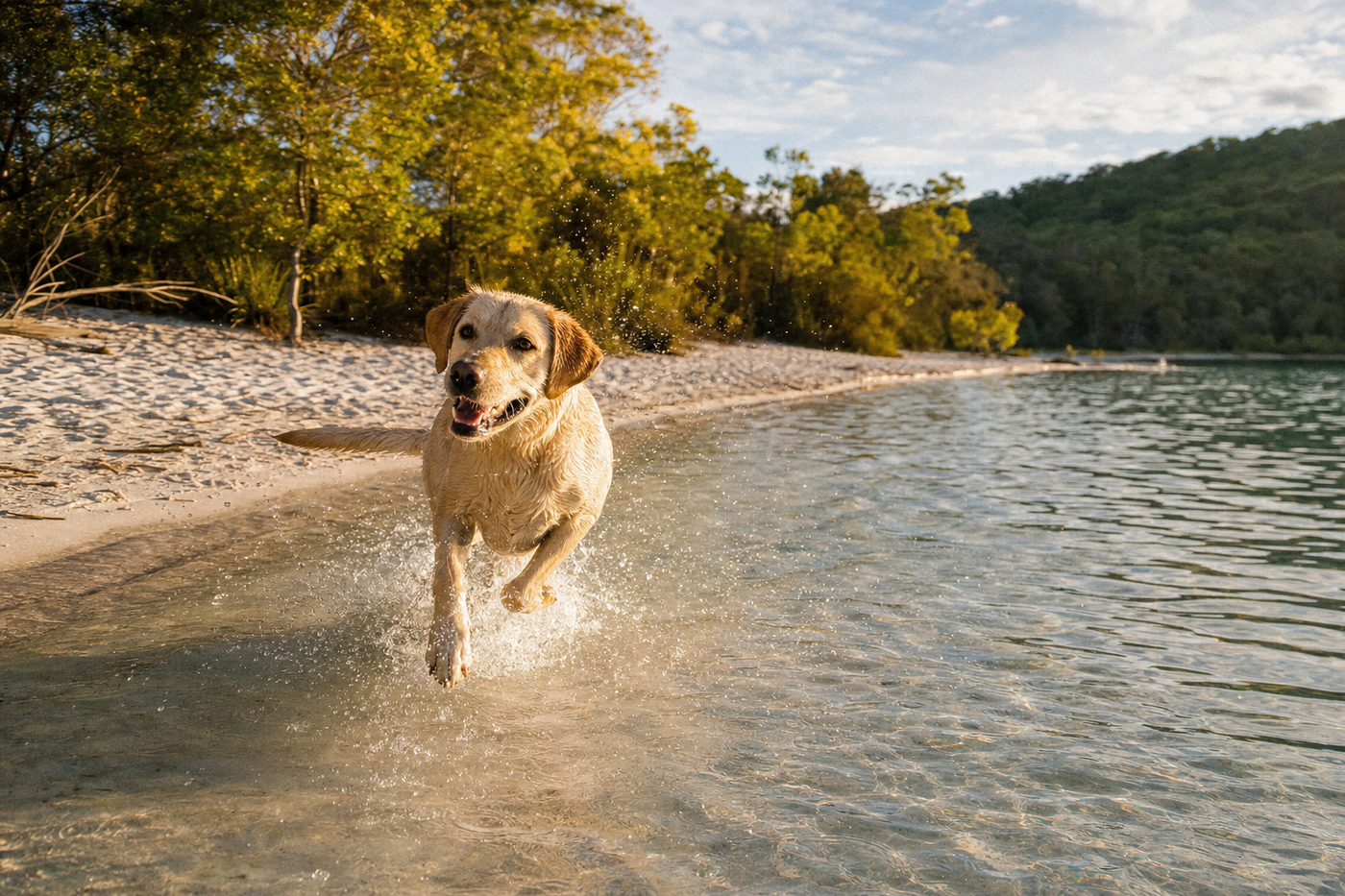
Labradors can develop life-threatening heat stroke within 15 minutes in hot parked vehicles. Never leave your dog unattended in a car, regardless of shade, cracked windows, or climate control.
Blue-green algae blooms in Australian waterways can be toxic to dogs. If you notice unusual discoloration in water, do not allow your Lab to swim or drink from it. Seek immediate veterinary treatment if your dog shows signs of poisoning like vomiting, lethargy, or tremors.
Why Labradors Make Excellent Travel Companions
Labradors are built for adventure and they genuinely love being part of family activities. Their calm temperament, loyalty, and adaptability make them one of the best breeds for travelling around Australia. Unlike some breeds that struggle with change, Labs adjust quickly to new environments and thrive on experiencing different places with their people.
Your Lab will likely be happier travelling with you than staying home alone. These dogs bond strongly with their owners and suffer separation anxiety if left behind. Whether you are road tripping along the Great Ocean Road in Victoria or exploring the beaches of Western Australia, a well-prepared Labrador will be your perfect companion throughout the journey.
Preparing Your Labrador for Long Car Journeys
Start with short drives around your neighbourhood before committing to long road trips. Let your Lab get comfortable with the car environment over a few weeks. Many Labs develop motion sickness if they have never travelled before, so building their tolerance gradually helps prevent problems during your actual trip.
Set up a secure space in your vehicle where your Lab feels safe. A car harness or travel crate prevents your dog from moving around dangerously while you are driving. Never let your Labrador roam freely in the car, as sudden braking could injure them or distract you on the road. Ensure good ventilation and air conditioning, as Labradors have thick coats and overheat easily in enclosed spaces.
Stop every 90 minutes to 2 hours so your Lab can stretch their legs, toilet, and drink water. During these breaks, let them out on a leash even if you are in a quiet area. A dog loose on a highway verge can panic and run into traffic when you least expect it.
What we recommend
Some links below are affiliate links. Pawtrips may earn a commission at no extra cost to you.
PitPat Dog GPS Tracker - No Subscription Needed
A GPS tracker gives you peace of mind during car journeys and stops across unfamiliar areas. If your Labrador escapes during a rest break or becomes separated from you, the tracker pinpoints their exact location instantly. No ongoing subscription means it is affordable protection throughout your travels.
Managing Heat and Exercise During Travel
Labradors are prone to overheating because of their dense double coats. On hot Australian days, your Lab needs access to shade and cool water at all times. Never leave your dog in a parked car, even with the windows down, as temperatures inside can reach dangerous levels within minutes.
During summer months, plan your driving and exercise around cooler parts of the day. Leave early in the morning before 10 am and resume travel after 4 pm when the heat subsides. Your Lab will be more comfortable and less at risk of heat stroke. Carry a collapsible water bowl and fill it at every opportunity. Some Labradors will drink surprising amounts when they realise water is available.
When you reach your destination, find accommodation with shaded outdoor areas where your Lab can rest safely. Beach trips are wonderful, but rinse your dog with fresh water immediately after swimming in the ocean. Salt water dries out their coat and can cause skin irritation if left to dry on their skin.
Seresto Flea & Tick Collar for Large Dogs Over 8kgs
Travelling exposes your Labrador to new flea and tick populations across different Australian regions. A Seresto collar provides eight months of continuous protection without needing reapplication, so you can focus on enjoying your trip instead of managing parasite treatments. This is essential protection for extended journeys.
Choosing Pet-Friendly Accommodation Across Australia
Not all pet-friendly places welcome large dogs, so read reviews carefully before booking. Many accommodation providers list specific restrictions about breed size, number of pets, or additional fees. Some caravan parks in Queensland and New South Wales charge between 10 and 20 dollars per night for dogs, while others include pets free of charge.
Contact your chosen accommodation directly to confirm their pet policy. Ask whether your Lab can stay indoors during extreme heat or if they are restricted to outdoor areas. Some places have designated pet rooms or cabins with secure fencing, which gives your dog more freedom and comfort. Always inspect the grounds when you arrive to check for gaps in fences or hazards like broken glass.
For longer stays, choose accommodation with space for your Lab to move around. A small hotel room where your dog is confined for hours creates stress and behavioural problems. Cottages with yards or beachfront accommodation where your Lab can access the sand are far better options for extended trips.
Pet-friendly stays
Finding accommodation that genuinely welcomes large Labradors takes time and research. Access to curated pet-friendly options across Australia makes booking easier and ensures your Lab gets comfortable, suitable accommodation that meets their needs during your trip.
Health and Safety Documents You Must Carry
Pack a folder with your Lab's vaccination records, microchip details, and recent photos. If your dog gets lost in an unfamiliar town, these documents help local vets reunite you quickly. Microchip registration is mandatory in all Australian states, so ensure your contact details are current.
Carry your Lab's regular medications and any prescribed supplements in their original containers. If your dog has health conditions like allergies or joint issues, bring documentation from your vet explaining treatment requirements. This is especially important if you are travelling interstate or need emergency veterinary care while away from home.
Get travel insurance for your Lab before you leave, particularly for longer journeys. Unexpected health issues in regional areas can mean expensive emergency veterinary treatment. Insurance covers these costs and gives you peace of mind about accessing good care anywhere in Australia.
Kurgo Dog Food Travel Bag: Kibble Carrier, 5 Pound
Keeping your Labrador's regular kibble fresh and organised during road trips requires proper storage. This travel bag seals kibble to maintain freshness and prevents spills in your vehicle. It is compact, easy to refill from your main supply, and essential for maintaining your dog's diet consistency while travelling.
Finding Exercise and Activities Your Lab Will Love
Labradors were bred as working dogs and need regular physical activity to stay happy and well-behaved. Aim for at least two hours of exercise daily while travelling, spread across morning and afternoon sessions. A tired Lab is a well-behaved Lab, so prioritise activities that burn their energy genuinely.
Australia offers incredible opportunities for active travel with your dog. Beach walks in South Australia, national parks in Tasmania, and coastal trails in New South Wales are perfect for Labs who love water and open spaces. Many beaches have designated off-leash dog areas where your Lab can swim and socialise. Check local council websites before visiting, as access rules change seasonally in protected areas.
Interactive activities like retrieving games keep your Lab mentally stimulated during travel. Bring a ball or dummy and spend 20 minutes playing fetch at each stop. This keeps your dog engaged and prevents boredom-related behaviour problems like destructive chewing in accommodation.
Managing Your Lab's Diet and Water While Travelling
Stick to your Lab's regular food and feeding routine as much as possible during travel. Changes in diet can cause digestive upset, which creates problems when you are far from home. Pack enough of their normal kibble in sealed containers to last the entire trip, plus extra in case you get delayed.
Fresh water is your top priority at every location. Labradors drink more when they are hot, stressed, or exercising, so carry a collapsible bowl that takes up minimal space in your vehicle. Many roadside rest stops have water taps, and most accommodation providers will fill bowls on request. Avoid giving your Lab water from dams or streams, as it may contain parasites or harmful bacteria.
If your Lab struggles with car sickness, feed them smaller portions or delay meals until after you have stopped driving. Some dogs settle better on an empty stomach during travel. Once you have arrived at your destination, wait at least an hour after feeding before swimming or strenuous exercise, as this reduces the risk of bloat.
Dealing with Separation Anxiety and Stress
Some Labradors experience anxiety when travelling to new places away from their normal routine. Signs include excessive barking, destructive behaviour, or attempting to escape from accommodation. Prevention is easier than dealing with problems mid-trip, so introduce your Lab to travel gradually.
Bring familiar items from home like their favourite bed, toys, or clothing with your scent on it. These items comfort anxious dogs and help them settle in unfamiliar spaces. Establish a consistent routine with regular feeding times, exercise, and rest periods. Dogs thrive on predictability, and knowing what happens next reduces stress.
If your Lab shows serious anxiety, consult your vet before travelling. They may recommend calming supplements or medication to support your dog during the trip. Keep your vet's contact details and find a local vet in your travel destination as backup in case problems arise.
Plus early access to new guides and partner deals.
No spam. Ever. Just the good stuff for you and your pet.