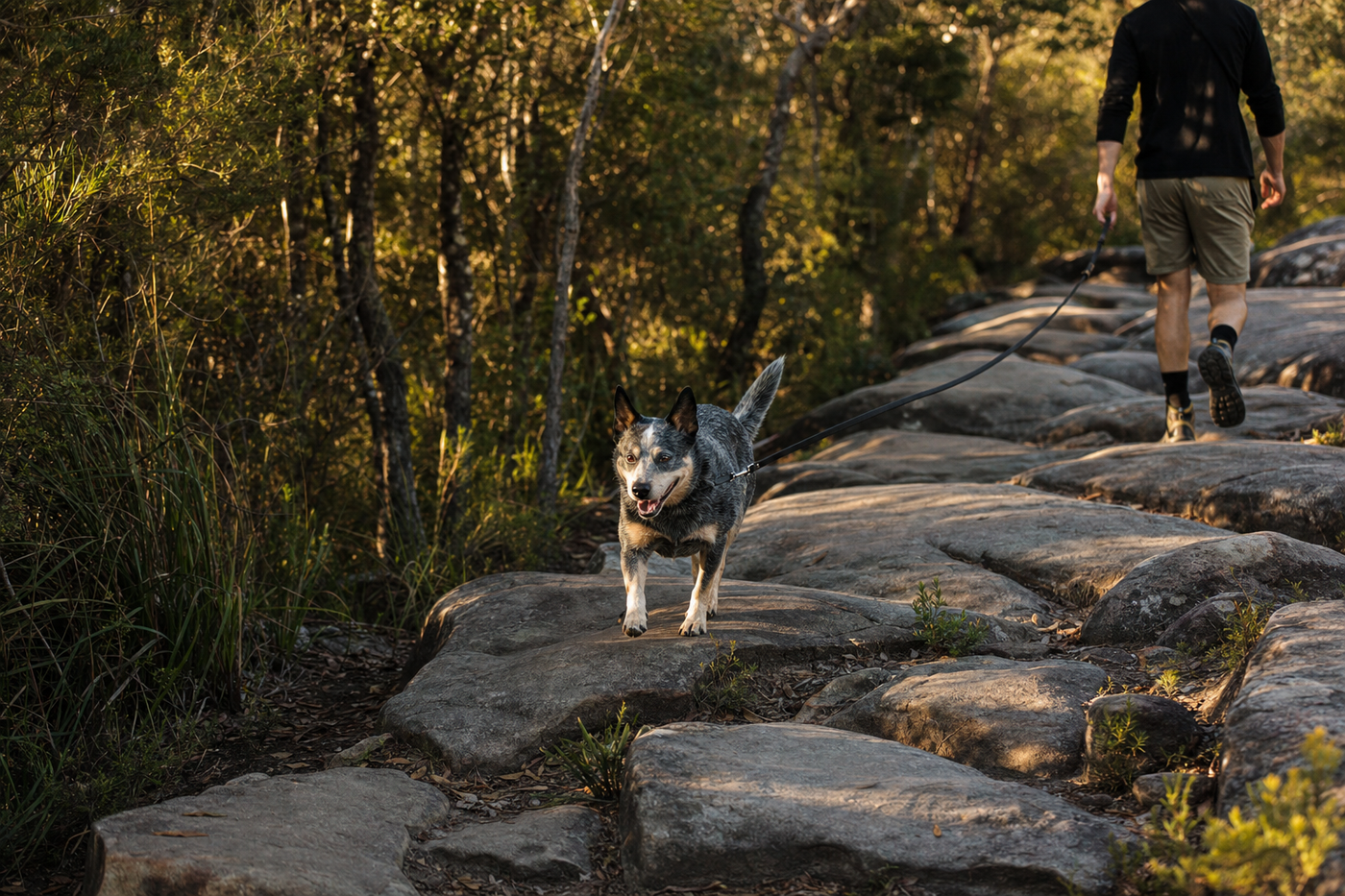
Leaving your dog in a car while you hike can result in heat stress or death within hours, even on mild days. Make proper care arrangements before you travel.
Some native animals like wombats and kookaburras can injure or kill dogs if they feel threatened. Keep your dog on-lead and under control at all times in parks where wildlife encounters are possible.
Why most Australian national parks restrict dogs
I learned the hard way that bringing your dog to a national park without checking first can cost you money and ruin your day. Most Australian national parks ban dogs from walking trails to protect native wildlife. Your dog might seem harmless to you, but a running dog can stress wombats, disrupt nesting birds, and scare wallabies into dangerous traffic on park roads.
Wildlife Australia considers dogs an invasive species in protected areas. A single dog chasing a lyrebird through the bush at Dandenong Ranges Victoria can damage decades of conservation work. The ban applies equally to well-behaved dogs and poorly trained ones, which feels frustrating but makes sense when you see it from the rangers' perspective.
Some parks do allow dogs in specific zones, but these are rare. The rules exist because national parks protect ecosystems that would collapse if every visitor brought their pet inside.
New South Wales national park rules for dogs
New South Wales has the most dog-friendly national parks in Australia, but you still need to follow specific rules. Dogs can enter some NSW parks if they're on a lead no longer than 2 metres and under your control at all times. Blue Mountains National Park allows dogs on certain walking tracks, though popular spots like the Three Sisters at Echo Point and many shorter walks around Katoomba restrict them completely.
Befor going to any NSW park, check the official NSW Parks website for individual park details. Some parks allow dogs only in camping areas or picnic grounds, not on hiking trails. Royal National Park south of Sydney permits dogs on leads in most areas, making it a good option if you're visiting the Sutherland Shire. Fines for breaking leash laws in NSW can reach 635 dollars, so the rules are enforced.
Cool coastal parks like Myall Lakes National Park and some beaches within park boundaries are more welcoming than inland rainforest reserves. Always confirm with the park office before driving there, as rules change seasonally for breeding birds.
What we recommend
Some links below are affiliate links. Pawtrips may earn a commission at no extra cost to you.
Dog lead 1.8m compliant
A quality 1.8 metre lead is essential for NSW and WA national parks. This lead meets the legal length requirements for dog walking in most Australian national parks and gives your dog enough space without creating control problems.
Victoria's stricter approach to dogs in parks
Victoria takes a harder line on dogs in national parks compared to NSW. Most Victorian national parks ban dogs entirely from all walking tracks and campgrounds. The Dandenong Ranges National Park near Melbourne, one of the state's most visited parks, does not allow dogs on any trails, though you can walk them in nearby council reserves.
Grampians National Park in western Victoria also has a blanket ban on dogs. If you're planning a hiking trip to Halls Gap or the Pinnacle, you'll need to leave your dog at your accommodation. The state's reasoning is that even short walks create cumulative stress on wildlife populations.
Some Victoria Coast parks have designated dog beaches where your dog can run off-lead during winter months, typically from April to September. These beaches fall under local council management rather than Parks Victoria, so they have different rules. Always check Parks Victoria's website before any trip, as exceptions exist for assistance dogs and occasional temporary rule changes.
Personalised dog collar with contact number
If your dog escapes in an unfamiliar national park area, a collar with your phone number embossed on it helps locals return your dog quickly. This is especially important when travelling interstate where your dog isn't familiar with the terrain.
Western Australia national parks and dog access
Western Australia allows dogs in many national parks, but they must be on a lead of 1.8 metres or shorter. Kalamunda National Park near Perth welcomes dogs on most trails as long as they're leashed. Yanchep National Park, also near Perth, permits dogs in certain areas and has good facilities for camping with pets.
The Stirling Range National Park in the south allows dogs on leads, making it a good option if you're exploring the region around Bluff Knoll. However, some sensitive areas like the top of Bluff Knoll itself restrict dogs due to nesting birds. Kings Park in Perth is not a national park but allows dogs on leads and offers beautiful walks overlooking the Swan River.
Western Australia's dog rules tend to be more lenient than the eastern states, probably because the state's parks are less crowded. Fines for off-lead dogs in WA parks can reach 900 dollars, so compliance is important even though access is easier. Always carry your dog's vaccination records and identification when travelling between states, as border checks sometimes happen.
Queensland and South Australian park rules
Queensland's national parks generally do not allow dogs on walking trails, though some parks permit dogs in designated camping areas. Lamington National Park, one of the state's most visited rainforest reserves, bans dogs from all trails to protect the endangered Albert's lyrebird. Noosa National Park on the Sunshine Coast also restricts dogs from most areas.
South Australia takes a similarly restrictive stance. Fleurieu Peninsula parks and the Adelaide Hills reserves don't allow dogs on the main trails. However, both states allow dogs in some coastal and regional parks, so research individual parks carefully before booking accommodation.
Queensland's tropical parks face particular pressure from dogs disturbing wildlife in fragile ecosystems. If you're travelling through these states with a dog, focus on finding pet-friendly hiking areas outside national parks or on council-managed reserves instead.
Checking rules before you travel
I've wasted entire afternoons driving to parks only to turn around at the gate because dogs weren't allowed. The smartest thing you can do is check each park's official website or ring the ranger station two days before your trip. Different walks within the same park often have different rules, and some trails open to dogs while others don't.
Each state manages its parks differently, so a website that worked for NSW parks won't show you Victoria's rules. Write down the phone numbers of parks you plan to visit and call them directly if the website seems outdated. Ranger offices can also tell you about nearby alternatives where your dog is welcome.
Join Facebook groups for dog owners travelling Australia. These groups share current information about which parks have relaxed rules or changed policies. Local dog walking groups in regional areas also know hidden gems where you can legally walk your dog off-lead on council land rather than in protected national parks.
Oatmeal Shampoo - 250ml
After walking in national parks, your dog might pick up ticks or irritated skin from unfamiliar vegetation. A gentle oatmeal shampoo helps soothe skin and remove parasites without harsh chemicals.
What to do if your dog isn't allowed in a park
Rather than forcing your dog into a situation where they're not wanted, look for council-managed reserves, regional parks, and private walking trails instead. Most towns near national parks have local reserves where dogs can run freely off-lead. The areas around towns like Katoomba, Daylesford, and Bright all have excellent dog parks and bush trails outside the national park boundaries.
Some national parks have pet-sitting services or nearby pet hotels where you can leave your dog while you hike. This isn't ideal, but it beats getting fined or stressing your dog in a hot car. Alternatively, plan different activities for your dog on days when you're exploring protected areas.
Private farmland and state forests sometimes allow dogs when national parks don't. A quick conversation with locals often reveals the best spots for dog walking in the region. Many Australians are happy to share their favourite dog-friendly routes if you ask at the local cafe.
Pet-friendly stays compliant with local laws
Finding accommodation near national parks that allows dogs means you don't have to leave your pet at a boarding facility. Pet-friendly stays help you plan trips where your dog can stay with you while you explore nearby parks.
Fines and enforcement in national parks
Rangers actively patrol popular national parks, and they will fine you if your dog is off-lead or in a restricted area. Fines vary by state but range from 300 dollars to 900 dollars depending on the park and the offence. Repeat offences can result in higher fines or even bans from the park.
The fines aren't meant to trap tourists. Parks enforce rules because uncontrolled dogs genuinely damage conservation efforts. A single off-lead dog in a sensitive area can scare nesting birds away from their eggs, destroying an entire breeding season for an endangered species.
If a ranger stops you, stay calm and polite. They're not trying to ruin your holiday. If you disagree with a fine, you can contest it in court, though this is rarely successful. The best approach is simply reading the rules before you arrive and following them.
Plus early access to new guides and partner deals.
No spam. Ever. Just the good stuff for you and your pet.