On days above 25 degrees, a car interior becomes dangerously hot within 20 minutes. Never leave your dog in a parked vehicle, or you risk animal cruelty charges and your dog's life.
Restricted dog breeds must be muzzled and on lead in all public areas across NSW. Rangers enforce this strictly, and fines are substantial if you do not comply.
NSW leash laws and where they apply
NSW has one core rule: your dog must be on a leash no longer than 1.8 metres in public places. I learned this the hard way when a ranger pulled me up at Centennial Park in Sydney after letting my kelpie off lead for just five minutes. The fine was not worth the moment of freedom.
Public places include parks, streets, shopping centres, and foreshores. The only exception is designated off-leash dog parks, which exist in most councils but have specific hours and rules. Manly Beach has an off-leash area from 5pm to 9am daily, but during daylight hours your dog stays on lead.
Different councils can be stricter. Some councils require a lead under 1.5 metres in certain areas. Eastern Suburbs councils tend to be more relaxed about beach access than councils inland. Always check your local council website before travelling with your dog, because rangers do patrol and they do fine people.
Beach access: which NSW beaches allow dogs
Not all NSW beaches welcome dogs, and the rules change seasonally. Most beaches ban dogs from October to April during peak swimming season. Collaroy Beach allows dogs before 9am and after 5pm year-round, but these times shift depending on daylight saving.
Some beaches have dedicated dog swimming areas. Shelly Beach in Manly has a dog-friendly section where your dog can swim off lead during specific hours. Narrabeen Beach permits dogs in winter months but restricts them heavily in summer when swimmers arrive. I took my dog to Cronulla Beach in January without checking, and we were politely asked to leave because summer restrictions were in place.
Coastal councils are stricter than regional councils. If you are travelling north, beaches around Coffs Harbour and Nambucca Heads tend to be more dog-friendly year-round. Always phone ahead or check the council website the week before you travel, because beach rules get updated and posted online.
What we recommend
Some links below are affiliate links. Pawtrips may earn a commission at no extra cost to you.
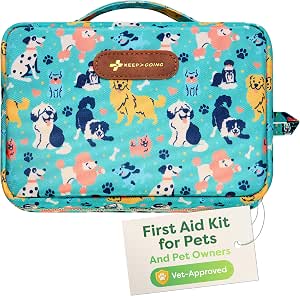
Dog First Aid Kit for Travel Emergencies
It's important to prepare for unforeseeable situations while travelling.

Reduce Shedding with FURminator Conditioner
A well-groomed coat means less mess in your travel space.

Mini GPS Tracker for Cats - Real-Time Location
Tracking your cat eases the stress of travelling together.

Track Your Dog's Location in Real-Time
It helps you keep your pet safe and in check during travels.
Microchipping and identification requirements
NSW law requires every dog to be microchipped and registered with the council before it reaches 12 weeks old. Your vet can do this in 10 minutes, and it costs around 60 dollars. When travelling, this microchip is your safety net if your dog escapes or gets lost.
Your dog also needs an ID tag on its collar with your phone number and address. Many people skip this because they think the microchip is enough, but an ID tag lets someone contact you within minutes instead of hours. I put my mobile number on my dog's tag because I am usually in the car, not at home.
Keep proof of microchipping and vaccination records with you when travelling. If a ranger stops you and asks for your dog's details, you need to show them that microchip and registration certificate. Different councils can impose on-the-spot fines if your dog is not registered. It takes 10 minutes to register online through your council website.
Breed-specific legislation in NSW
NSW classifies certain breeds as restricted or dangerous. These include Pit Bull Terriers, Japanese Tosas, Dogo Argentinos, and Fila Brasileiros. If your dog is on the restricted list, you cannot take it into public areas without a muzzle and a lead. A ranger can order you to immediately put a muzzle on your dog if you cannot prove it is not a restricted breed.
The rules apply across all of NSW, so a muzzle requirement in one council applies everywhere in the state. Even if your dog is a gentle family pet, breed-specific legislation does not care. A friend with a Staffordshire Bull Terrier had to muzzle her dog in the park, even though she knew her dog was calm around other dogs.
You can get a certificate of identification from a vet that proves your dog's breed. If your dog resembles a restricted breed, this certificate protects you from fines. The certificate costs around 100 to 150 dollars, and you should carry it when travelling. It is your proof against rangers who stop you based on appearance alone.
Transporting dogs in vehicles legally
NSW law requires your dog to be restrained while travelling in a vehicle. This means your dog cannot sit loose on your lap or roam the car freely. You must use a crash cage, car harness, or travel crate that keeps your dog secure during braking or impact.
Police can fine you 300 to 600 dollars if your dog is unrestrained, and you can be charged with negligent driving if your dog causes an accident. I travelled three hours with my dog loose once, and we hit heavy traffic on the Pacific Highway. Every sudden stop made me anxious that my dog would slide forward.
A crash cage that fits your vehicle size costs between 150 and 400 dollars. Smaller harnesses that clip to seatbelts cost less but offer less protection. Whatever you choose, test it at home before a long drive. Your dog should be comfortable and secure for trips of any length.
Council registration and ongoing requirements
Every dog in NSW must be registered with its local council. Registration is not a one-time thing. You renew it annually, and the renewal notice comes by post or email. Some councils send reminders, but others do not, so mark the date on your calendar.
Registration costs vary by council. Desexed dogs usually cost less to register than entire dogs. A desexed dog might cost 65 dollars per year, while an entire dog costs 200 dollars or more. This is incentive to desex your dog, and it is actually a legal requirement in NSW if you want your dog to travel legally between regions.
When travelling, councils can check your registration status on the spot. A ranger has access to the state-wide system and can see if your dog is current or overdue. If registration lapses, fines can be steep. Renew your registration as soon as the notice arrives, then you will not stress about it during your travels.
Parking restrictions and leaving your dog in the car
NSW does not have a specific law about leaving dogs in parked cars, but animal welfare laws apply. If a ranger or police officer believes your dog is distressed, overheated, or dehydrated, they can remove it from the car and charge you with animal cruelty. This is not theoretical. Rangers check cars in car parks on hot days, and they do enforce this.
On a 25-degree day, a car interior reaches 40 degrees within 20 minutes. Your dog cannot survive long in those conditions. If you must stop at a shop, leave your dog at pet-friendly accommodation instead. Many regional towns have boarding facilities or dog-friendly cafes where your dog can wait safely.
If you are travelling long distances, plan your stops. Every two to three hours, stop at a rest area or park where your dog can drink water and stretch. Bring a portable water bowl and freeze a bottle of water the night before. Your dog will be happier, and you will avoid stress about leaving it in a car.
Camping and accommodation rules with dogs
NSW has strict rules about bringing dogs into caravan parks and camping grounds. Not all parks allow dogs, and those that do usually charge a pet fee of 5 to 15 dollars per night. Some parks restrict dogs to certain sites only, away from playgrounds and swimming pools.
When booking accommodation, confirm in writing that dogs are allowed. Some websites show a park as dog-friendly, but then you arrive and the manager says there is a restriction you did not know about. I booked a campground near Mudgee that claimed to allow dogs, only to discover they banned large dogs after 6pm.
Always keep your dog on lead at camping grounds. Other families are staying there, and not everyone wants to interact with your dog. Clean up immediately after your dog, because rangers do patrol caravan parks and can issue fines for waste left on the ground. Respect quiet hours and keep your dog from barking at night. Other campers will report you if your dog disturbs them, and the park owner can ask you to leave.
Plus early access to new guides and partner deals.
No spam. Ever. Just the good stuff for you and your pet.