A dangerous dog declaration by any Queensland council becomes part of your dog's permanent record and affects travel throughout Australia. One incident can result in muzzling requirements and public liability insurance mandates for years.
Restricted breeds found in non-compliant situations can be seized by council authorities and held pending a court hearing. In extreme cases, dogs have been euthanised, so ensure you understand all breed-specific requirements before travelling.
Queensland's Leash Laws: What Every Dog Owner Must Follow
When I first drove to the Gold Coast with my border collie, I thought she could run freely on the beach like she did at home. I was wrong. Queensland law requires dogs to be on a lead no longer than 1.8 metres in any public place, including beaches, parks, and footpaths. This applies everywhere in the state, from Cairns to Coolangatta.
The only exception is designated off-leash dog areas, which most councils provide in their local parks. Before you arrive at a new town, ring the local council to ask where these areas are located. Some beachside towns like Noosa and Surfers Paradise have specific beach hours where dogs can run free, usually early morning or late evening.
Breaking this law can cost you between 350 and 900 dollars depending on the council. Rangers patrol popular spots regularly, especially during school holidays when beaches get crowded. I learned this after a friendly council officer warned me at Tallebudgera Beach when my dog slipped off her collar.
Breed-Specific Legislation in Queensland Councils
Queensland doesn't have a statewide breed ban, but individual councils do. This means your dog might be legal in Brisbane but restricted in Mackay. Breeds commonly restricted include American Staffordshire Terriers, Staffordshire Bull Terriers, Pit Bull Terriers, and Dogo Argentinos.
Some councils require restricted breeds to wear a muzzle in public spaces at all times. Others demand the owner hold special permits and maintain public liability insurance of up to 20 million dollars. A few councils ban certain breeds outright, meaning you cannot live there with that dog.
Before travelling anywhere in Queensland, contact the council where you are staying and ask for their dangerous dog register. Provide your dog's breed, age, and microchip number. If you own a restricted breed, ask specifically what documents and equipment you need to carry. I spent two weeks planning a trip to Townsville with my Staffordshire cross only to discover the council had a complete ban.
What we recommend
Some links below are affiliate links. Pawtrips may earn a commission at no extra cost to you.
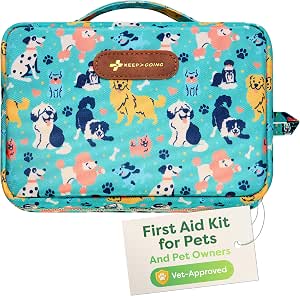
Dog First Aid Kit for Travel Emergencies
It's important to prepare for unforeseeable situations while travelling.

Reduce Shedding with FURminator Conditioner
A well-groomed coat means less mess in your travel space.

Mini GPS Tracker for Cats - Real-Time Location
Tracking your cat eases the stress of travelling together.

Track Your Dog's Location in Real-Time
It helps you keep your pet safe and in check during travels.
Microchipping: Your Legal Requirement and Travel Essential
Queensland requires all dogs over three months old to be microchipped by law. The microchip must be registered on the national AAFID database, and you must carry proof of registration when travelling. This isn't optional, and councils enforce it strictly through routine checks in parks and beaches.
When you travel interstate from Queensland, or if someone finds your dog during your travels, that microchip is your only proof of ownership. I cannot stress this enough: register the microchip under your own name and keep your contact details current. If you move house or change phone numbers, update it immediately.
The microchip itself costs between 50 and 100 dollars, and registration costs about 15 dollars per year. It takes just a few minutes to insert under your dog's skin, and vets do it routinely. Carry a copy of your microchip registration papers in your car and on your phone when travelling around Queensland.
Desexing Laws and Your Travel Options
Queensland doesn't legally require desexing unless your dog is in a restricted breed category. However, many councils offer reduced registration fees if your dog is desexed, saving you 50 to 100 dollars per year. Some councils also have less strict rules for desexed dogs in restricted breeds.
If you're travelling with an undesexed dog, check local bylaws in your destination area. Some councils limit undesexed dog registration or impose higher fees. Desexing your dog before a long trip also reduces stress-related behaviours and makes travelling easier overall.
When I had my Kelpie desexed before a three-week road trip along the Queensland coast, her anxiety dropped noticeably. She was calmer at new locations and less likely to roam. Many vets offer discount desexing programs if you book ahead, so plan this into your travel calendar.
Dangerous Dog Declaration and Public Liability Insurance
If your dog injures someone or another animal in Queensland, the council can declare your dog dangerous. This declaration follows your dog throughout the state and even to other states via national registers. A dangerous dog declaration means muzzling in public, proof of public liability insurance, and potential restrictions on where you can travel.
Public liability insurance for dogs typically costs 200 to 400 dollars per year and covers injury caused by your dog. If your dog is declared dangerous, this insurance becomes mandatory, not optional. Some pet insurance policies include public liability coverage, so check yours before travelling.
I met a dog owner in Cairns whose friendly but exuberant Labrador knocked over a child at a beach. The child wasn't seriously hurt, but the parent filed a report. The dog spent two years under declaration, requiring a muzzle in public and costing the owner extra insurance premiums.
Councils to Contact Before You Travel
Different Queensland councils enforce different rules, and this is where most travelling dog owners stumble. The Sunshine Coast Council has different bylaws from Noosa Shire, which differ again from Logan City Council. Before booking your accommodation, identify the council area and ring them.
Here's what to ask: Are there any breed restrictions in this area? Where are the off-leash dog parks? What are the leash laws in public spaces? Do they require anything in writing for visiting dogs? Some councils even require a visitor permit for dogs staying longer than a few days.
Write down the phone numbers and keep them in your phone. The council offices in smaller towns like Proserpine or Bowen are very helpful and appreciate advance notice. This one step saves you stress and potential fines when you arrive.
Identification and Collar Requirements for Interstate Travel
Your dog must wear a collar with an ID tag showing your name and phone number whenever travelling in Queensland. The collar itself must be appropriate for your dog's size and strong enough to withstand the lead tension. Slip collars or training chains must never be used in public, though they are allowed for training purposes in private spaces.
When travelling interstate, carry proof of ownership, vaccination records, and microchip details in your car. Use a collar that suits your dog's build: a Chihuahua needs a different collar from a German Shepherd. Personalised collars with your phone number engraved are worth the investment because collars can slip off or be damaged.
I always carry a recent photo of my dog on my phone, along with her microchip number and my contact details. If she ever gets lost while travelling, I can provide this information instantly to rangers, vets, and the council.
Planning Your Accommodation: Pet-Friendly Requirements
Not every pet-friendly accommodation meets Queensland's legal standards. Some places advertise as pet-friendly but don't understand local leash laws or breed restrictions. Before booking, contact the accommodation directly and ask what their specific rules are.
Many holiday parks and coastal cabins have their own additional restrictions on top of council laws. They might require your dog to be crated when you're away or prohibit dogs in certain areas. Some places charge a pet fee, which can range from 20 to 100 dollars per night.
When booking online, look for places that mention compliance with local council bylaws. Read recent reviews from other dog owners. I once booked a beachside cottage that claimed to be dog-friendly but had a strict no-dogs policy in the common areas, which wasn't mentioned until check-in.
Plus early access to new guides and partner deals.
No spam. Ever. Just the good stuff for you and your pet.