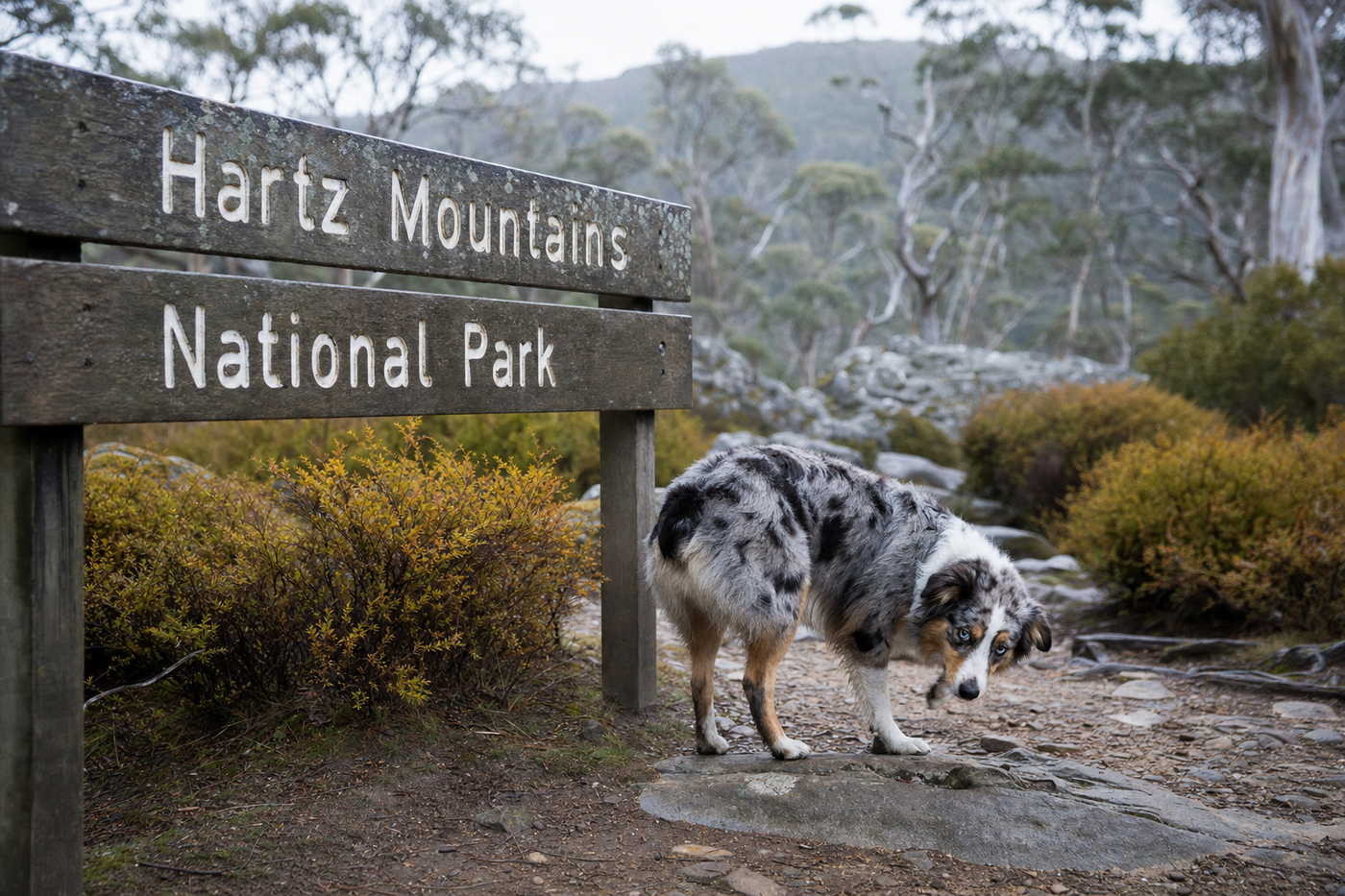
Animals without proper documentation will be refused entry at the border. You cannot override this decision, and you will have to return to the mainland at your own cost.
Quarantine costs if your pet shows signs of illness at the border can exceed 500 dollars per week. Proper preparation prevents this expensive outcome entirely.
Why Tasmania Has Pet Border Rules
Tasmania is isolated from mainland Australia by the Bass Strait, and the state takes this seriously when it comes to protecting local animal populations. The Tasmanian government uses strict biosecurity laws to keep out diseases like rabies, which does not exist in Tasmania. Your dog or cat might be perfectly healthy, but without proper documentation, you cannot bring them across the border.
The rules exist because Tasmania has been rabies-free for over 100 years. If the disease arrived, it would devastate the state's native wildlife and farming industry. That is why even a day trip from Victoria with your dog requires paperwork. The border checkpoints at Launceston Airport, Hobart Airport, and the Spirit of Tasmania ferry all have staff trained to check pets.
Microchipping Your Pet: Non-Negotiable
Every dog and cat entering Tasmania must have a microchip, and it must be implanted at least 21 days before you travel. If your dog arrives without a microchip, you will be turned away at the border. The microchip is a tiny device about the size of a grain of rice, implanted under your pet's skin by a vet in about 30 seconds.
Your vet will register the chip with an Australian microchip registry, usually within two weeks. Keep the registration paperwork with you. When you cross into Tasmania, biosecurity officers scan the microchip to verify your pet's identity and vaccination history. If you have not organised this before travel, you cannot simply do it at the border. Plan at least three weeks ahead so the implant settles and the registry processes your details.
What we recommend
Some links below are affiliate links. Pawtrips may earn a commission at no extra cost to you.
Dog Microchip and ID Tag
A microchip is legally required to enter Tasmania, and an ID tag provides backup identification during your stay. Together they ensure your dog can be reunited with you if lost while travelling.
Vaccination Records That Actually Matter
Your pet needs a current rabies vaccination, and it must be dated no more than 12 months before arrival in Tasmania. If your dog was vaccinated 13 months ago, you need a fresh vaccination before crossing. This is strict. Many travellers assume their usual pet vaccinations are enough, but rabies protection is the one that biosecurity officers will check first.
Bring the original vaccination certificate from your vet, not a photo or email copy. The document must show the vaccine brand, the date given, the vet's signature, and your pet's microchip number. If you are vaccinating your dog in a different state before heading to Tasmania, get the certificate from that vet at the time of the injection. Do not rely on your home vet to post it later, because border delays will be your problem, not theirs.
PAW by Blackmores Complete Calm Multivitamins for Dogs
Border crossings and travel can stress your dog. These multivitamins help keep your pet calm and healthy during the journey to Tasmania and throughout your stay.
Health Certificates from Your Veterinarian
You need a health certificate issued by an Australian veterinarian within 10 days of your travel date. This certificate states that your dog or cat has been examined, is free from visible signs of disease, and has up-to-date vaccinations. Not all vets issue these automatically, so you must ask your vet specifically for a 'health certificate for interstate travel to Tasmania'.
The certificate should be on the vet's official letterhead and include their contact details, your pet's description, microchip number, and your contact information. Bring at least two printed copies. One goes to the biosecurity officer at the border, and you keep one in your travel folder. If your vet takes five days to issue it after your appointment, you will have only five days left on the 10-day window. Book the health check early in your preparation timeline.
Completing the Border Declaration Form
When you arrive at a Tasmanian border checkpoint, you will complete a biosecurity declaration form. You can request the form online from the Tasmanian Department of State Growth website, or collect it at the airport or ferry terminal. The form asks where you have come from, what animals you are bringing, and details of your pet's vaccinations and microchip.
Fill out the form truthfully and completely. Biosecurity officers use this form to match your information against their database. If you say your dog was vaccinated in Victoria but you actually got it done in New South Wales last month, inconsistencies will hold up your entry. Bring a pen. Have your microchip number and vaccination dates written down. The form takes five minutes, but it is the final step between you and Tasmania with your pet.
Personalised Dog Collar with Contact Number
While your microchip is registered with biosecurity, a personalised collar with your current contact number ensures anyone finding your dog in Tasmania can reach you immediately.
Which Pets Need to Comply and Which Do Not
Dogs and cats entering Tasmania must follow all the rules above. Other pets have different requirements. Rabbits, guinea pigs, and birds need health certificates but not necessarily rabies vaccinations, since they cannot carry rabies. Fish and reptiles have separate import permits, and many exotic species are prohibited entirely. If you are travelling with anything other than a dog or cat, check with the Tasmanian Department of State Growth at least six weeks before your trip.
Small rodents like hamsters and mice are generally not allowed into Tasmania without an import permit, which can take weeks to process. Horses and livestock follow agricultural import rules, not pet rules. If you are unsure whether your particular pet is allowed, email the department with your pet's species and breed. Do not show up at the border hoping for the best, especially with unusual animals.
What Happens If Your Pet Does Not Meet Requirements
If you arrive at a Tasmanian border without proper documentation, your pet will be refused entry. You cannot convince the officer to make an exception, and you cannot pay an extra fee to bypass the rules. You will be turned away and required to return to the mainland. If you are flying into Hobart or Launceston, this means rebooking flights and finding accommodation while you sort out paperwork.
In rare cases where an animal shows signs of illness at the border, it may be held in quarantine at your expense while tests are run. This can cost hundreds of dollars per week. The only way to avoid this outcome is preparation. Check every requirement two weeks before you travel, and verify you have the original documents in hand. Do not trust digital copies or promises from your vet that paperwork will arrive later.
Getting to Tasmania with Your Pet: Travel Options
You can fly with your dog or cat to Hobart or Launceston, travel by car via the Spirit of Tasmania ferry from Melbourne to Devonport, or drive overland if crossing from Victoria or South Australia. Each entry point has a biosecurity checkpoint. The Spirit of Tasmania ferry welcomes pets in designated pet cabins and allows them on the open decks during the 11-hour voyage from Melbourne.
If you drive, you will pass through a biosecurity checkpoint on the Princes Highway near the border. Have your documents ready before you reach the checkpoint. Flying with pets requires separate pet transport fees and booking, usually between 80 and 200 dollars depending on your airline and your dog's size. Plan your route around these requirements at least four weeks ahead. Arriving unannounced without proper paperwork will result in your pet not being allowed to enter Tasmania.
Pet-Friendly Stays Compliant with Local Laws
Once you have cleared the border with proper documentation, you need accommodation that welcomes pets legally. These stays are verified to meet Tasmania's regulations and welcome travellers with dogs and cats.
Plus early access to new guides and partner deals.
No spam. Ever. Just the good stuff for you and your pet.