Dogs in vehicles without proper restraint are a serious safety risk in accidents and sudden stops, potentially causing injury to your pet and occupants
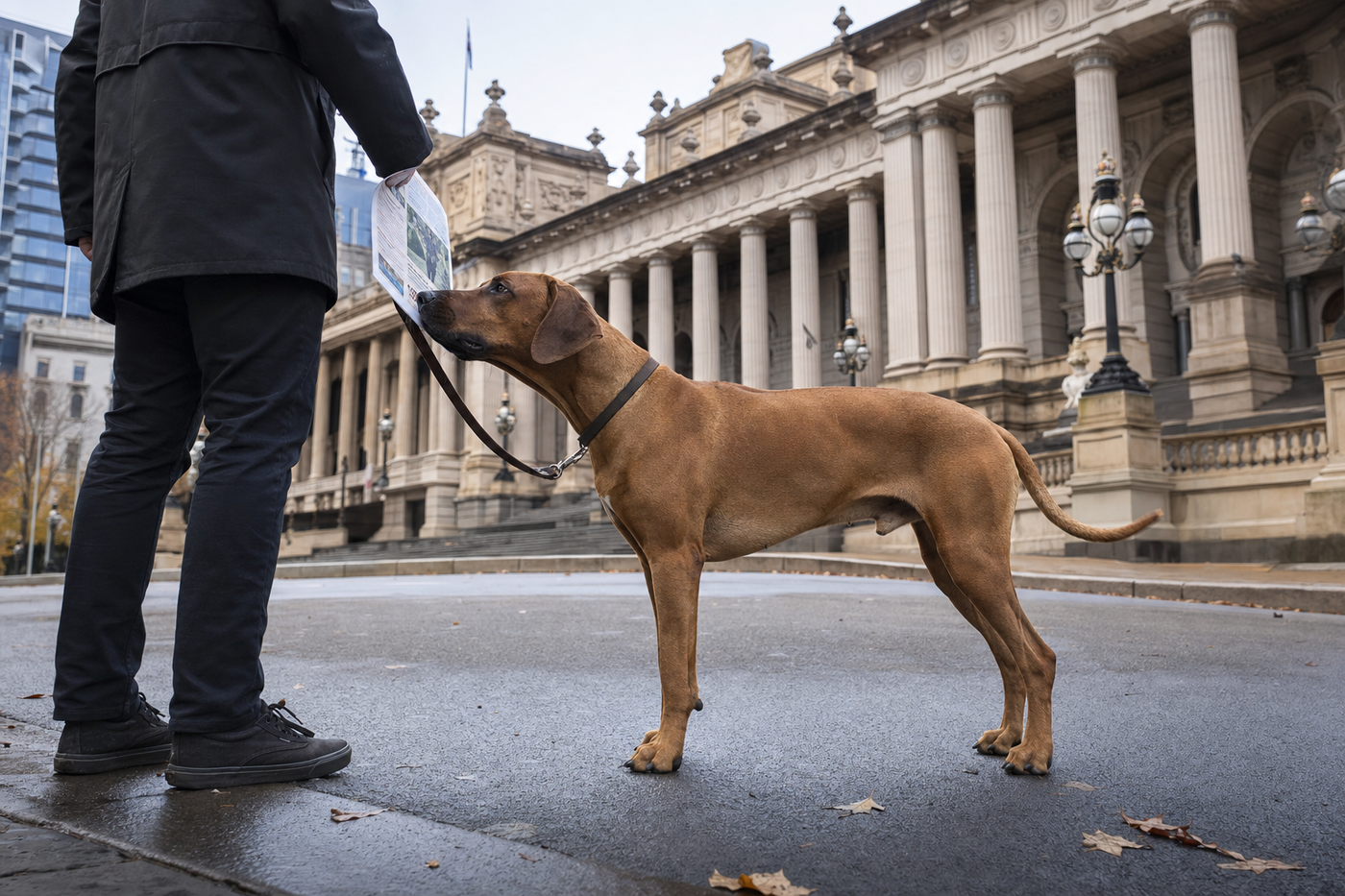
Certain breeds are declared dangerous in Victoria and require permits; travelling without proper permits can result in fines and legal action, or even confiscation of your dog
Microchipping is non-negotiable in Victoria
Every dog in Victoria must be microchipped by law. This applies whether your dog lives in Melbourne or you're just passing through from New South Wales. The microchip needs to be registered with your council, and when you travel, you should carry proof of that registration. I learnt this the hard way when a ranger pulled me over near Bendigo and asked to scan my kelpie. Without a registered microchip, I faced a potential fine. The good news is microchipping costs around 30 to 60 dollars and only takes a few minutes at a vet clinic. Most vets can do it same day, so there's no excuse to leave home without one.
Your dog must be restrained while driving
Victoria's Road Safety Rules state that dogs cannot roam freely inside vehicles. Your dog must be secured using a harness, carrier, or dog guard. This is both a legal requirement and genuinely about safety, since a loose dog becomes a projectile in sudden braking. When I drove from Sydney to Melbourne with my border collie, I used a backseat harness that clipped into the existing seatbelt. The harness cost about 50 dollars and made everyone safer. A dog guard that separates the cargo area from the passenger cabin also works well for larger vehicles like utes or station wagons. Never put your dog in an unsecured state, not even for a short trip around town.
What we recommend
Some links below are affiliate links. Pawtrips may earn a commission at no extra cost to you.
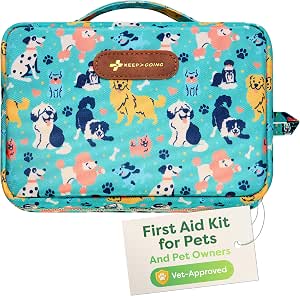
Dog First Aid Kit for Travel Emergencies
It's important to prepare for unforeseeable situations while travelling.

Reduce Shedding with FURminator Conditioner
A well-groomed coat means less mess in your travel space.

Mini GPS Tracker for Cats - Real-Time Location
Tracking your cat eases the stress of travelling together.

Track Your Dog's Location in Real-Time
It helps you keep your pet safe and in check during travels.
Breed-specific legislation affects certain dogs
Victoria has declared certain breeds as dangerous dogs, including pit bull terriers, Japanese tosas, dogo argentinos, and Brazilian filas. If your dog matches these breed descriptions, you'll need a dangerous dog permit from your local council. The permit process includes assessment by a council officer, and you'll need to follow strict rules like muzzling in public places and keeping your dog in a secure enclosure at home. I met a man near Geelong with a rescued pit bull who had to go through a full assessment before he could legally travel with his dog. Even if your dog is incredibly gentle, the breed classification applies. This is worth checking before you book pet-friendly accommodation, as some venues won't accept dogs with permits regardless of individual temperament.
Council registration varies across Victoria's regions
Every local council in Victoria has its own pet registration system and rules. Melbourne City Council has different requirements than Ballarat City Council or Gleneira. Some councils charge annual registration fees between 25 and 60 dollars, while others have free schemes. When travelling from one region to another, your dog's registration transfers with you, but you should carry proof on paper or in digital form. I once stayed in a holiday rental near Warrnambool and the property manager asked to see my registration certificate. Having a photo of it on my phone saved me time. Before heading to a new area, check the specific council website for any local bylaws about public spaces where dogs can and cannot go.
Public spaces have specific dog rules you must follow
Many beaches, parks, and outdoor areas across Victoria have restrictions on dogs. Some beaches only allow dogs during certain months, like the cooler seasons from April to September. Parks often have designated off-leash areas where your dog can run freely, but these are clearly marked. On-leash areas usually require dogs to be within 1.8 metres of their owner on a lead. I made the mistake of letting my dog off-leash at a beach near Bells Beach and was approached by a ranger. The restriction was printed on a small sign I'd missed. Always read signage carefully when arriving at a new location. Shire councils often have maps on their websites showing where dogs can and cannot access public land.
Boarding and accommodation have their own rules
Pet-friendly accommodation across Victoria often requires additional information beyond just saying you have a dog. Many venues ask for proof of microchipping, vaccination records, and behavioural information. Some pet hotels require dogs to have up-to-date vaccinations including kennel cough. Holiday rentals sometimes add a pet bond fee of 50 to 150 dollars refundable if no damage occurs. When booking a stay in the Dandenong Ranges or along the Great Ocean Road, I've found that calling ahead gives me a chance to ask about their specific policies. Some venues are advertised as pet-friendly but have restrictions on dog size, number of dogs, or certain breeds. Reading reviews from other travellers with dogs often reveals what the actual experience is like versus what the listing says.
Quarantine rules apply if crossing state borders
If you're travelling from Victoria into New South Wales or South Australia, check those states' quarantine requirements. Each state has its own rules about dogs crossing borders. New South Wales requires dogs to be microchipped and registered, but the process is similar to Victoria's. South Australia has stricter rules including tick and worm treatments before entry. I planned a trip to Adelaide from Melbourne and had to arrange a vet visit three weeks before departure for the required treatments. Keep vaccination records and health certificates in a folder while travelling between states. Border crossings don't always have checkpoints for pets, but carrying documentation protects you if issues arise. Your vet can provide health certificates that are recognised across Australia.
Essential documents to carry while travelling
Pack originals or clear copies of your dog's microchip registration, council registration, vaccination records, and any permits. These documents prove your dog is legally owned and cared for. Some pet-friendly venues ask to sight them before check-in. I keep mine in a plastic folder in the car alongside my dog's photo, which helps if anyone questions whether the dog is mine. A copy of your dog's photo is surprisingly useful for lost pet posters if something goes wrong. Store digital copies on your phone as backup. Veterinary clinics in unfamiliar towns need vaccination history if your dog requires emergency care, so having records accessible saves valuable time and potentially lives.
Plus early access to new guides and partner deals.
No spam. Ever. Just the good stuff for you and your pet.