Why senior dogs are excellent travel companions
There is a common assumption that older dogs should be left home. It is usually wrong. A well dog in their senior years is still curious, still engaged, still capable of genuine joy in new environments. They walk more slowly. They need more rest. They cannot do the long hikes or extended beach runs of their younger selves. But a morning foreshore walk followed by a cafe breakfast and an afternoon nap in a sunny spot is exactly the pace many senior dogs love. The conditions for good senior dog travel are: a vet check before any extended trip, a pace calibrated to their actual capacity rather than your ideal itinerary, accommodation without stairs, and medication management sorted before you leave.
The vet check
A vet check before any extended trip with a senior dog is not optional. It confirms that your dog is fit for travel, identifies any conditions that need managing on the road, ensures all medications are stocked, and gives you an honest assessment of what your dog can and cannot do. Discuss the trip itinerary with your vet. Tell them what you are planning. A good vet will tell you honestly if there are sections of your trip that are not appropriate for your dog's current health, and what to watch for on the road.
What we recommend
Some links below are affiliate links. Pawtrips may earn a commission at no extra cost to you.
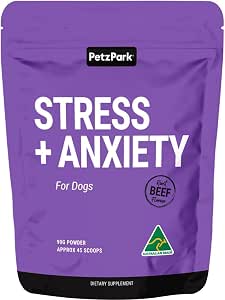
Calming Dog Supplement for Stress, Made in Australia
Helps keep your dog calm and content during travel.

Kangaroo Joint Chews for Active Aussie Dogs
These chews help keep your dog agile for your next adventure.

Dog Ear Muffs for Noise Protection
These ear muffs help keep your pet calm in noisy environments during travel.

Reduce Shedding with FURminator Conditioner
A well-groomed coat means less mess in your travel space.
The right pace
Senior dog travel is slow travel. This is not a compromise. It is a different and often better kind of travel. One destination for several nights rather than driving every day. Morning walks when the day is cool and your dog's joints are loosened up. Long rests in the afternoon. Early evenings. The dogs that struggle on senior trips are the ones whose owners are trying to keep the pace of a trip they would take with a younger dog. The dogs that thrive are the ones whose owners have genuinely adjusted their expectations and found that slow travel is actually better for both of them. Watch for signs that your dog has had enough. Lagging behind on walks, reluctance to get up, excessive panting, or visible stiffness after rest are all signs to dial back and rest more.
Accommodation and terrain
Ground floor accommodation is the single most important practical requirement for senior dog travel. Stairs are hard on ageing joints. A dog that manages stairs at home can find them difficult after a day of walking on unfamiliar terrain. Book ground floor wherever possible and confirm no internal stairs before arriving. Soft surfaces are better than hard ones for older dogs. Grass and soft sand are gentler on joints than bitumen and hard-packed sand. Plan beach walks for the soft sand sections and avoid long walks on hard pavement. A quality orthopedic travel bed makes a significant difference to how your senior dog recovers each night. Their own familiar bed or a good travel orthopedic mat is worth the space it takes in the car.
Medication management
If your senior dog takes regular medication, calculate exactly how much you need for the full trip plus extra. Running out of arthritis medication, heart medication, or any other regular prescription in a remote area is a serious problem. Carry a copy of your dog's prescription details in case you need a vet along the route to supply additional medication. Some senior dogs do well with joint supplements like fish oil and glucosamine during periods of increased activity. Discuss this with your vet before the trip if your dog has known joint issues.
The best destinations for senior dogs
Senior dogs suit destinations where the walking is gentle, the pace is relaxed, and accommodation is comfortable. Noosaville on the Sunshine Coast is ideal. The foreshore walk is flat and beautiful. The cafe culture is excellent. The beach is calm and shallow. Everything is accessible without demanding terrain. The Mornington Peninsula bay beaches are gentle and flat. The winery culture suits a slow pace perfectly. The accommodation options are excellent. Hahndorf in the Adelaide Hills has flat main street walking, beautiful gardens, and excellent outdoor dining. Perfect senior dog territory. Avoid destinations that require significant walking on hard terrain, multiple stair climbs, or extended time in the heat.
Senior dog travel is some of the best travel there is when you get the pace right. Write to us at hello@pawtrips.com.au with your senior dog travel stories.
hello@pawtrips.com.auPlus early access to new guides and partner deals.
No spam. Ever. Just the good stuff for you and your pet.