The honest starting point
Some dogs travel brilliantly. Some dogs find travel genuinely distressing. The difference is not always trainable away, and acknowledging that upfront matters. Anxiety in dogs during travel can come from motion sickness, past negative associations with the car, a generally anxious temperament, or specific triggers like highway noise, unfamiliar smells, or being away from home. The good news is that most dogs can be brought to a manageable place with the right approach. The approach that works is gradual desensitisation. Not forcing them through experiences. Not hoping they will just get used to it. Systematic, patient, reward-based exposure to travel that builds confidence step by step. This guide covers what actually works, the products worth trying, and how to build a trip that gives your anxious dog the best possible experience.
Gradual desensitisation: the only long-term solution
If your dog is anxious in the car, the solution is not a long trip hoping they adjust. It is going backwards. Start with the parked car, engine off, door open. Sit with your dog. Treats for calm behaviour. Do this until they are relaxed in the stationary car. Progress to engine running, car stationary. More treats, more calm associations. Then five minute drives with a positive destination at the end. Gradually extend the distance over days and weeks. This takes longer than most owners want to spend. It works where forcing does not. A dog that has been properly desensitised to travel is a fundamentally different experience from one that has been pushed through their anxiety repeatedly.
What we recommend
Some links below are affiliate links. Pawtrips may earn a commission at no extra cost to you.

Dog Ear Muffs for Noise Protection
These ear muffs help keep your pet calm in noisy environments during travel.

Reduce Shedding with FURminator Conditioner
A well-groomed coat means less mess in your travel space.

Calming Pheromone Collar for Anxious Dogs
Ideal for easing your dog's anxiety while travelling.
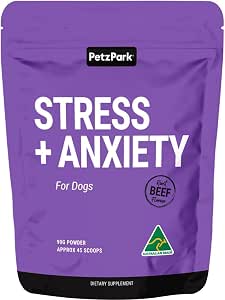
Calming Dog Supplement for Stress, Made in Australia
Helps keep your dog calm and content during travel.
Calming products that actually help
Adaptil spray is a synthetic version of the pheromone mother dogs produce to calm their puppies. Spray it in the car and on bedding 15 minutes before departure. It does not work for every dog but works for enough that it is consistently worth trying. ThunderShirt and similar pressure wraps apply gentle consistent pressure that many anxious dogs find calming. Similar to swaddling in human infants. The research is mixed but the anecdotal evidence from dog owners is strong. Familiar bedding is the most reliably effective non-medication intervention. Their own blanket or bed with their scent creates a small familiar environment within the unfamiliar one. This consistently reduces settling time in new locations. Calming chews containing ingredients like L-tryptophan, ashwagandha, or valerian are available from pet stores and vets. Quality varies significantly. Discuss options with your vet before relying on them for a long trip. Classical music and reggae have research support for reducing anxiety indicators in dogs. It sounds minor. It makes a measurable difference according to multiple studies.
What your vet can offer
For dogs with significant travel anxiety, prescription options exist and are appropriate for occasional use. Trazodone is commonly used in Australian veterinary practice for travel anxiety. Cerenia addresses motion sickness. Gabapentin is sometimes used for anxious dogs. This is not a failure. Some dogs have genuine anxiety disorders. Managing them responsibly with medication when needed is appropriate ownership. Discuss this with your vet well before your trip. Most prescription calming medications need a trial run at home first to assess how your dog responds before you use them in a travel context.
Building the trip around your anxious dog
Anxious dogs do better with predictability. Same feeding times. Same walking times. Same bedtime routine. A holiday that completely disrupts their routine is significantly harder than one that maintains it as much as possible. Breaks every two hours minimum. Not just toilet stops but genuine fifteen to twenty minute breaks where your dog can walk, sniff, and reset. For anxious dogs, the smell of a new environment is genuinely settling once they have had time to investigate it. Choose accommodation carefully. Self-contained properties with enclosed outdoor space where your dog can explore safely at their own pace are significantly better for anxious dogs than busy holiday parks or accommodation with lots of external noise. Keep your own energy calm. Dogs read our emotional state accurately. An owner who is stressed about their dog being stressed creates a feedback loop. Calm, confident, matter-of-fact energy in the car and at new locations communicates safety.
Knowing their limits
Not every anxious dog should be taken on extended travel. A dog that shows genuine distress throughout every car journey, refuses to eat, trembles continuously, or cannot settle after hours at a new location is telling you something important. For some dogs the kindest thing is a good pet sitter or boarding facility while their owners travel. This is not giving up. It is reading your dog honestly and putting their wellbeing first. For dogs that can travel but find it stressful, short trips with positive endpoints build the association over time. A year of regular short positive trips does more for travel anxiety than any single long trip.
Travelling with an anxious dog requires patience and honesty. When you get it right it is genuinely rewarding. Write to us at hello@pawtrips.com.au with your anxious dog travel tips.
hello@pawtrips.com.auPlus early access to new guides and partner deals.
No spam. Ever. Just the good stuff for you and your pet.