When can puppies start travelling
The vaccination question is the first thing to resolve before any puppy travel. Puppies need their core vaccinations completed before they can safely visit public areas, dog beaches, dog parks, and accommodation that has had other animals. In Australia the standard puppy vaccination schedule involves vaccinations at 6 to 8 weeks, 10 to 12 weeks, and 14 to 16 weeks. Most vets clear puppies for public access after the second vaccination but give full clearance after the third. Discuss the specific timing with your vet. Before full vaccination clearance, puppies can still travel in a car, visit private properties where unvaccinated dogs have not been, and attend puppy school. They should not visit public dog parks, public beaches, or anywhere with high dog traffic.
The socialisation window: why early travel matters
The period from approximately 8 to 16 weeks is the single most important window for a puppy's development. Experiences during this window, positive or negative, shape how a dog relates to the world for the rest of their life. A puppy that is carefully exposed to new environments, different surfaces, sounds, people, and situations during this window is significantly more likely to be a confident, adaptable adult dog. This is why, within vaccination safety guidelines, early positive travel experiences are genuinely valuable. Car travel, new smells, different accommodation, gentle beach visits. All of it contributes to building a dog that will travel well for the next fifteen years.
What we recommend
Some links below are affiliate links. Pawtrips may earn a commission at no extra cost to you.

Dog Ear Muffs for Noise Protection
These ear muffs help keep your pet calm in noisy environments during travel.

Reduce Shedding with FURminator Conditioner
A well-groomed coat means less mess in your travel space.

Calming Pheromone Collar for Anxious Dogs
Ideal for easing your dog's anxiety while travelling.
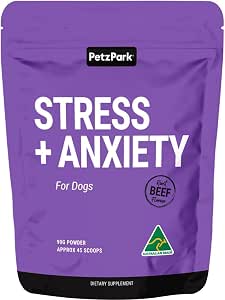
Calming Dog Supplement for Stress, Made in Australia
Helps keep your dog calm and content during travel.
Building a puppy that loves the car
The foundation of good adult travel behaviour is laid in puppyhood. A puppy that has dozens of positive car experiences in their first six months will almost always be a confident car traveller as an adult. Start with the stationary car. Treats, praise, positive association. Then short drives to positive destinations. A five minute drive to a park is better than a long trip that overwhelms a young puppy. Never make the car synonymous with the vet exclusively. If the only time the car comes out is for vet visits, puppies learn to associate the car with stress. Mix in fun destinations constantly.
Physical limits for puppies
Puppies have growth plates that are not fully closed until between 12 and 18 months depending on breed. High-impact exercise and long walks on hard surfaces before the growth plates close can cause permanent damage. The general guideline is five minutes of exercise per month of age, twice daily. A four-month-old puppy can manage approximately two twenty-minute walks per day. This is significantly less than most owners expect. On road trips this means frequent short walks rather than long exercise sessions. Puppies also tire quickly from the mental stimulation of travel even when they appear to still have physical energy. Watch for signs of mental fatigue, loss of coordination, increased irritability, or clumsiness, and rest when they appear.
Puppy-specific packing
Extra poo bags. Puppies go more frequently and less predictably than adult dogs. Familiar toys and chews. Puppies need mental stimulation and familiar items provide comfort in new environments. Extra food. Puppies eat more frequently than adult dogs and should not have their feeding schedule disrupted. A crate or enclosed pen for overnight accommodation. Puppies that are not yet fully house trained need a contained sleeping space in unfamiliar accommodation. A portable crate that they are already familiar with from home is ideal.
The investment in early positive travel experiences with a puppy pays back for fifteen years. Write to us at hello@pawtrips.com.au with your puppy travel tips.
hello@pawtrips.com.auPlus early access to new guides and partner deals.
No spam. Ever. Just the good stuff for you and your pet.