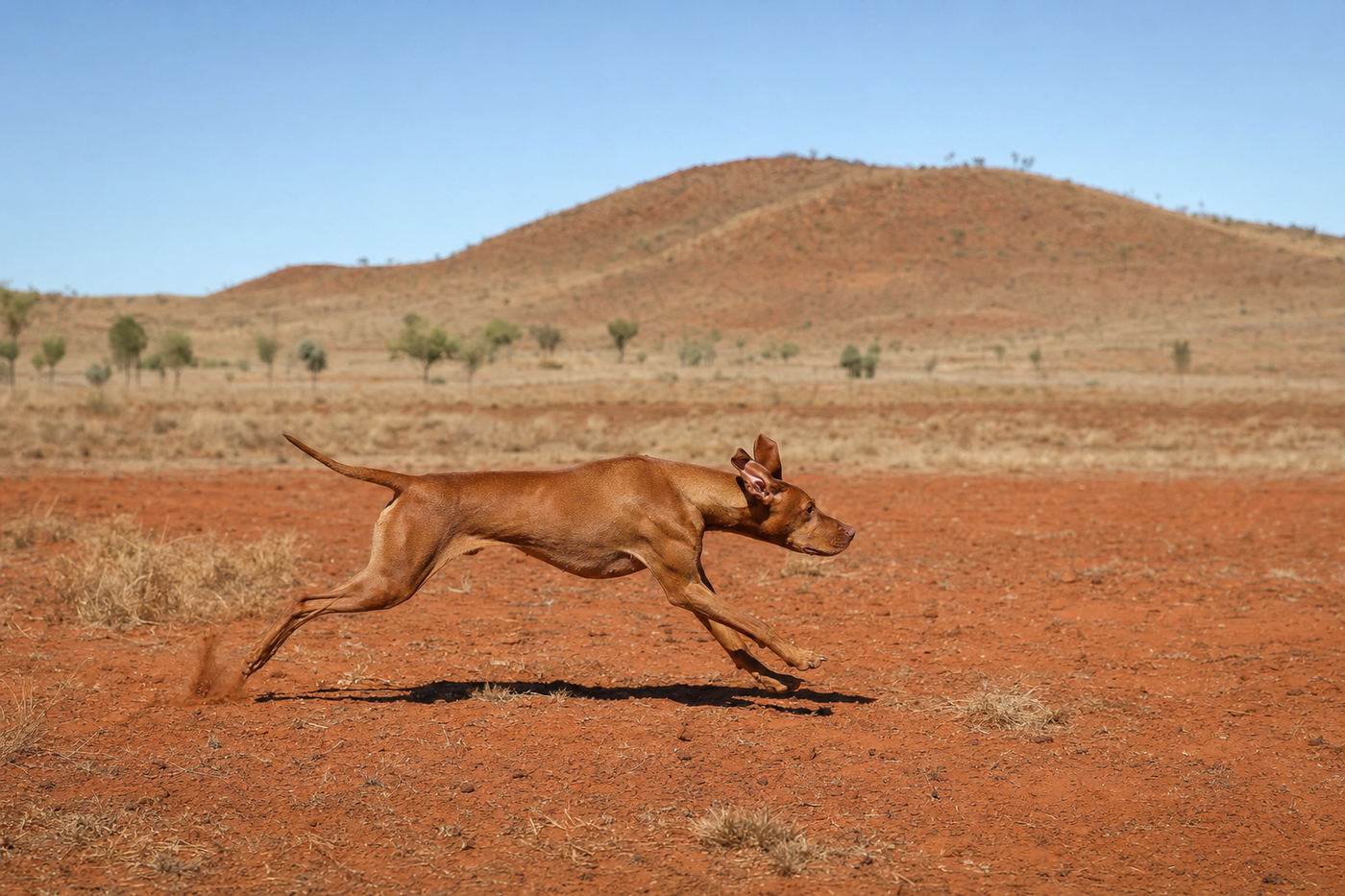
Heat stroke in Vizslas can develop rapidly in temperatures above 28 degrees. Signs include excessive panting, drooling, and lethargy. If you notice these, cool your dog with water immediately and find a vet. Never leave a Vizsla in a car, even with windows cracked.
Vizslas are sensitive to stress and anxiety. Sudden changes in routine during travel can trigger behavioural problems or health issues like diarrhoea. Watch for signs of distress and be prepared to adjust your plans or shorten your trip if your dog is struggling.
Why Vizslas Are Tricky Travel Companions
Vizslas are beautiful dogs, but they come with real challenges when you travel. I learned this the hard way during a three-week trip from Melbourne to Adelaide. These dogs are Velcro pets, meaning they stick to their owners and struggle when left alone for more than a few hours. They develop separation anxiety quickly, which leads to destructive behaviour in accommodation and stressed barking that annoys neighbours.
Their energy levels are another issue. A Vizsla needs between 60 and 90 minutes of exercise daily, and they won't settle down if they don't get it. On a road trip, this means you can't just drive for eight hours straight and expect them to relax in the evening. You need to plan stops at dog parks, beaches, or fields where they can actually run, not just walk. Heat is also a serious concern in Australia. Vizslas have thin, short coats and no undercoat, so they overheat quickly in temperatures above 28 degrees. This rules out travelling during summer months in most of the country.
They're also sensitive dogs emotionally. They can pick up on your stress when navigating unfamiliar places, and they struggle with sudden changes to their routine. Planning your trip around their needs, not just yours, makes the difference between a disaster and something you'll actually enjoy.
Timing Your Trip: Seasons and Weather Matter
Never travel with a Vizsla during Australian summer. From December to February, temperatures in most of the country exceed what these dogs can handle. I made the mistake of a November trip to the Gold Coast, and my Vizsla spent most days inside air-conditioned accommodation. That defeats the purpose of travelling. Instead, aim for autumn, winter, or early spring when temperatures stay below 25 degrees.
April to May is genuinely the best window. The weather across most of Australia is mild and predictable. Your Vizsla can actually enjoy being outside without panting within five minutes. Winter months in Tasmania, Victoria, and southern New South Wales work well too, though you'll need to pack a dog coat for your Vizsla, as they have no body fat and feel the cold despite their thin coat.
Check local weather forecasts at least two weeks before you travel. If you see a heatwave predicted, postpone. A hot car during travel is dangerous even for short trips, and a hot hotel room with no aircon becomes a nightmare. Regional areas often don't have 24-hour veterinary services either, so heat stress in a remote location is a real risk you need to avoid.
Finding Pet-Friendly Accommodation That Actually Works
Not all pet-friendly places are equal. Some allow dogs but charge you a 50-dollar-per-night fee and give you a room next to the ice machine that makes noise all night. After staying at twelve different places with my Vizsla, I've learned what actually works. Look for accommodation with outdoor space, preferably a fenced yard where your dog can relax without being on a lead the entire time.
Caravan parks and holiday parks are often better than hotels for Vizsla owners. Places like Discovery Parks have good facilities, often dog-friendly grounds, and other dogs around so yours won't feel isolated. Check reviews specifically mentioning dogs before booking. Reading reviews from other dog owners tells you whether the owner genuinely cares about pets or just takes their money. Some places say pet-friendly but have rules like no dogs in communal areas or dogs must be crated during the day. Those don't work for Vizslas.
Always call the accommodation directly. Ask whether they allow large dogs and what their specific policies are. Tell them you have a Vizsla, as some places refuse sight hounds due to misconceptions. Expect to pay between 15 and 30 dollars extra per night for dog accommodation at most places. Book places with cancellation policies in case your dog gets sick. This isn't luxury travel, but it beats dealing with a stressed, destructive dog in a room designed to make you pay for damages.
Managing Exercise and Energy on the Road
A Vizsla that doesn't get enough exercise becomes destructive, anxious, and hard to manage. During a trip to the Barossa Valley, I underestimated how much running my dog actually needed. I planned daily walks around vineyards, assuming that would be enough. By day three, my dog was bouncing off walls and chewing furniture we'd paid a deposit to protect. I learned that walking and running are completely different things for this breed.
Plan your daily schedule around dog exercise, not wine tastings or scenic drives. Every morning and evening, find a space where your Vizsla can run off-lead for 20 to 30 minutes. Dog parks are your best bet, even if they're not fancy. A basic council dog park with a fence is perfect. Many towns across Australia have them. Apps like Dog Parks Australia or even a quick Google search can help you find them. Beach time works brilliantly too. The sand is soft on their joints, and most Australian beaches allow dogs before 9am or after 5pm during summer months.
If you're staying more than one night somewhere, visit the same park twice. Your dog will relax more knowing they get consistent exercise. During driving days, stop every two hours at rest areas where you can let them stretch their legs, even if they don't run hard. A tired Vizsla is a good Vizsla. An under-exercised one will undo your car seat with their anxiety.
Dealing with Separation Anxiety While Travelling
Vizslas hate being alone, and travel situations often force them to be. Most accommodation means you'll leave your dog for at least a few hours while you do activities or eat dinner. I've watched my dog panic when I left him in a hotel room, scratch the door frame, and refuse to eat. It's heartbreaking and expensive when the accommodation charges you for damage.
Start by training your dog to handle short periods alone before you travel. Practise leaving them for 30 minutes at home, then gradually increase it. When you're travelling, never leave them for more than three to four hours at a time. This is non-negotiable with Vizslas. Choose accommodation where you can check in at lunch to break up the day. Some caravan parks allow you to do this easily.
Consider hiring a pet sitter for the days where you want to do longer activities. Many regional towns have people offering this service now, and it costs between 20 and 40 dollars for a lunch visit. Some places, like the Adelaide Hills, have dog daycare centres you can use. Alternatively, build your itinerary around activities your dog can join. Many breweries in Victoria and South Australia welcome dogs on their outdoor terraces. Farmers markets often allow well-behaved dogs. Beach walks and hiking are activities your Vizsla can genuinely enjoy with you. Plan activities where your dog comes along rather than finding excuses to leave them behind.
What we recommend
Some links below are affiliate links. Pawtrips may earn a commission at no extra cost to you.
Dog Separation Anxiety Collar, Four Pack
Vizslas are prone to separation anxiety, and these collars use calming technology to help reduce stress when you need to leave them in accommodation. They're particularly useful for managing anxiety during longer days out or when settling into new environments.
PitPat Dog GPS Tracker - No Subscription Needed
Vizslas can be flight risks when anxious or in unfamiliar places. This GPS tracker gives you real-time location tracking without ongoing subscription costs, essential peace of mind when travelling through new areas or if your dog escapes.
Packing the Right Gear for Your Vizsla
Travel with a Vizsla means packing more than you would for yourself. I've learned this through multiple forgotten items that cost me money or stress. Start with a proper dog crate or car harness. Vizslas are large and muscular, and a loose dog in a car is dangerous for everyone. A crate designed for large dogs keeps them secure and gives them a sense of security while travelling.
Bring their own bed or blanket from home. The familiar smell helps them relax in unfamiliar places. Pack enough food for the entire trip plus extra, as finding their specific brand in regional towns is often impossible. Bring water from home if your dog has a sensitive stomach, as water quality changes between regions. Collapsible bowls are essential for stops and accommodation without kitchens.
Gather a first-aid kit with bandages, antiseptic, and any medications your dog takes. Include a copy of your dog's vaccination records and microchip details. Some vets won't treat your dog without proof of vaccination. Bring a recent photo of your dog in case they get lost. A long lead or training lead helps in areas where you can't use off-lead space. Finally, pack toys and things to occupy them during car time. Boredom makes anxiety worse. A worn-out Vizsla is good in a car, but boredom-stressed ones are nightmares.
Kurgo Dog Food Travel Bag: Kibble Carrier, 5 Pound
This carrier keeps your Vizsla's food fresh and sealed during long road trips. It's compact enough to fit in a car and prevents accidental spills that make travel messy. Perfect for managing their regular diet while away from home.
Specific Routes and Regions That Work for Vizslas
Some Australian travel routes are genuinely better for Vizslas than others. The Great Ocean Road between Melbourne and Warrnambool works well. There are regular dog parks, plenty of beaches where dogs are allowed, and accommodation options that genuinely welcome dogs. Towns like Torquay and Lorne have good dog-friendly cafes and parks. The drive is manageable in sections, and you can break it up over four days instead of rushing through in one.
Tasmania is excellent for Vizsla travel if you visit in autumn or spring. The cooler climate suits them, and many places are genuinely dog-friendly. Launceston, Hobart, and the Tasman Peninsula all have good dog parks and beaches. The temperatures rarely exceed 22 degrees in May, which is comfortable for your dog.
Avoid the inland routes through New South Wales and Queensland during anything but winter. The Newell Highway and inland routes offer little in terms of dog parks or shade. Towns are spread far apart, making it hard to break up driving. Coastal drives like the South Coast of New South Wales work better because there's more accommodation variety and better access to beaches for exercise.
Regional Victoria around the Pyrenees, Grampians, and Otways is brilliant. Hiking trails are abundant, towns are dog-friendly, and the weather is cool. The Yarra Valley north of Melbourne works too. Plan routes where you're never more than 30 kilometres from a town with a dog park or beach. This gives you flexibility when your dog needs unexpected exercise.
Seresto Flea and Tick Collar for Large Dogs Over 8kgs
Travelling through different regions exposes your Vizsla to various parasites and insects. This collar provides up to eight months of protection against fleas and ticks without monthly applications, ideal for extended travel where you might forget schedules.
Health and Veterinary Care on the Road
Before you travel, visit your vet and discuss your itinerary. Get copies of all vaccination records, microchip details, and any prescriptions your dog takes. Ask your vet whether your dog is fit for travel and whether the routes you're planning involve any health risks. If you're travelling through areas with tick or snake concerns, ask about preventative treatments.
Register your dog's microchip details with your contact information before you leave home. If your dog gets lost, this is how vets and shelters find you. Consider getting a GPS tracker in addition to a microchip. A microchip only helps once your dog is at a vet or shelter, but a GPS tracker tells you where they are in real time. This peace of mind is worth the investment for anxious dogs that bolt or escape.
Research veterinary clinics along your route before travelling. Write down their phone numbers and addresses. In emergencies, you need to know where to go. Some regional areas have limited vet services with specific opening hours. If you're travelling to a remote location, check what services are available. Don't assume a country town has a 24-hour emergency vet. Some towns don't have any vet at all.
Watch for signs of stress or illness during travel. Vizslas are sensitive dogs that show problems quickly. Diarrhoea, refusal to eat, or excessive panting are signs something's wrong. If your dog seems unwell, don't push on. Book into somewhere with good facilities and rest for a day or two. Travelling while unwell stresses your dog further and can turn a minor issue into a serious one.
Plus early access to new guides and partner deals.
No spam. Ever. Just the good stuff for you and your pet.